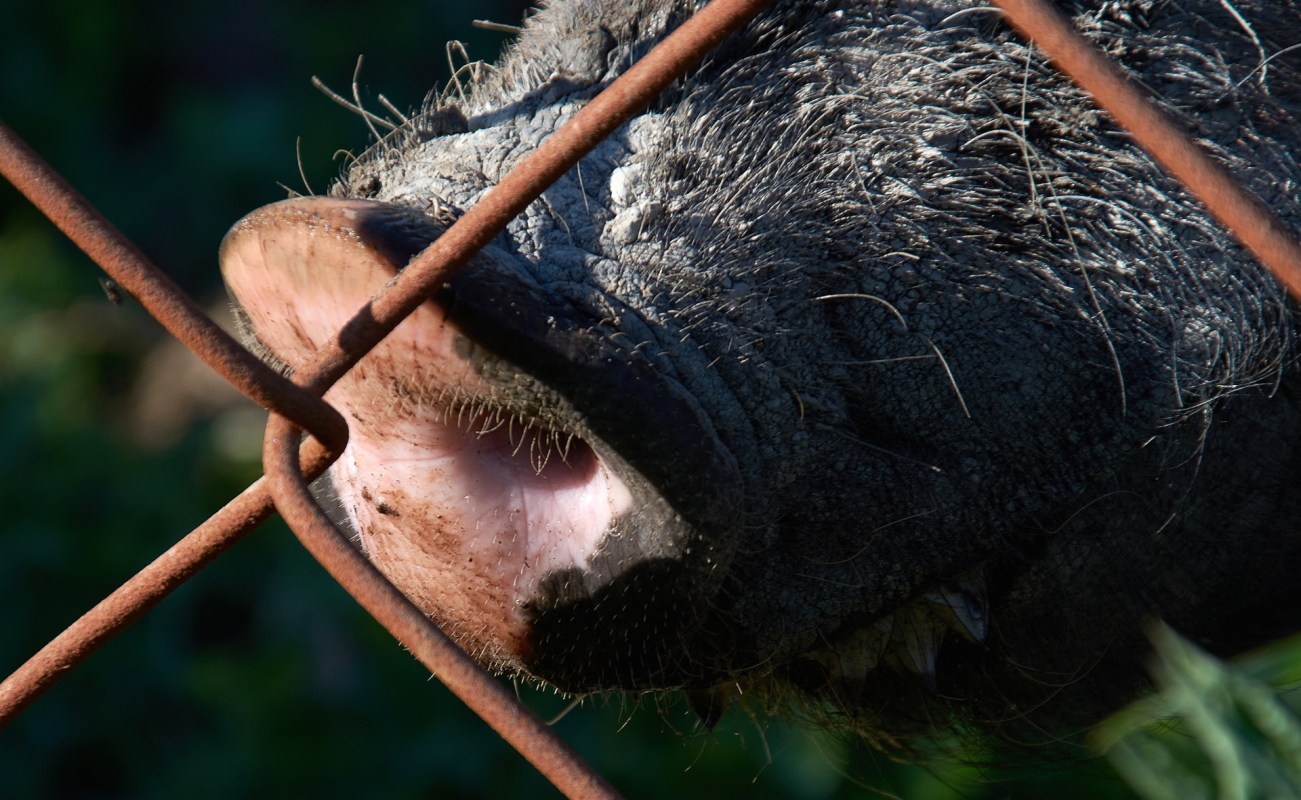
Wild boars are now officially classified as a "pest in all circumstances" in Alberta, Canada, according to CBC News. It's a move officials said could keep the invasive species and the problems they bring under control.
The Alberta government declared wild boars as agricultural pests and, as of Dec. 1, stopped issuing permits for new wild boar farms. It is also now illegal to keep, buy, sell, or transport the animals without a permit.
Existing wild boar farms may continue operating, albeit under much stricter regulatory conditions. They may opt to exit the industry as well and get compensation of $590 per boar, per the Agricultural Service Boards.
Hunting animals in the wild has been banned since this does not eradicate entire populations. On the contrary, it often disperses animals into other areas where they repopulate.
Although hunting is illegal, landowners are allowed to kill wild boars that stray onto their own land. However, they must report the date, location, and number of boars slain.
This move can help curb the damage that wild boars have been causing. Initially imported into North America as a food source, these wild boars have become invasive, causing havoc in agricultural and residential areas.
Stay hydrated and refreshed this holiday season — without any sugar or harmful additives Nuun’s zero-sugar hydration tablets are a perfect, guilt-free way to enhance your water throughout the day. You’ll get five essential electrolytes for everyday hydration — with zero grams of sugar. Plus, Nuun tablets are certified vegan and gluten-free, and they’re the perfect size to keep in your car, purse, or anywhere you'll want a healthy, restorative drink. Learn more → |

According to the National Wildlife Federation, wild boars eat practically anything, including native wildlife. They also compete for food sources and uproot plants they devour, damaging local habitats. Worse, they often spread diseases, such as E. coli, swine fever, and foot-and-mouth disease, to livestock and people.
The U.S. Department of Agriculture estimates that the wild boar population is over six million. It's still rapidly expanding. Time and again, they've caused environmental damage, agricultural problems, and health and safety risks.
Stricter control management, similar to Alberta's amended regulations, helps curb the growth of invasive species and protect local habitats. Texas, for example, offered a $10,000 prize pool as a bounty for feral hogs and coyotes to control their population. Florida also once placed entire communities under quarantine to get rid of giant land snails.
With the devastating impacts of invasive species, Alberta's decision is a welcome move toward prevention and long-term risk management. Other regions, both in Canada and the United States, are taking similar steps.
TCD Picks » Upway Spotlight
💡Upway makes it easy to find discounts of up to 60% on premium e-bike brands





|
Do you think America does a good job of protecting its natural beauty? Click your choice to see results and speak your mind. |
 Definitely 👍
 "As they spread and become a greater threat, we've seen other provinces and jurisdictions make changes to their wild boar management to combat disease and trade risks," wild boar specialist Hannah McKenzie told CBC News.
Residents add to these efforts when they report wild boar sightings and other invasive species, enabling quicker responses from local officials. Community discussions about environmental challenges can also deepen public understanding of how daily actions influence nearby habitats and the organisms in them.

Get TCD's free newsletters for easy tips to save more, waste less, and make smarter choices — and earn up to $5,000 toward clean upgrades in TCD's exclusive Rewards Club.
Cool Picks