


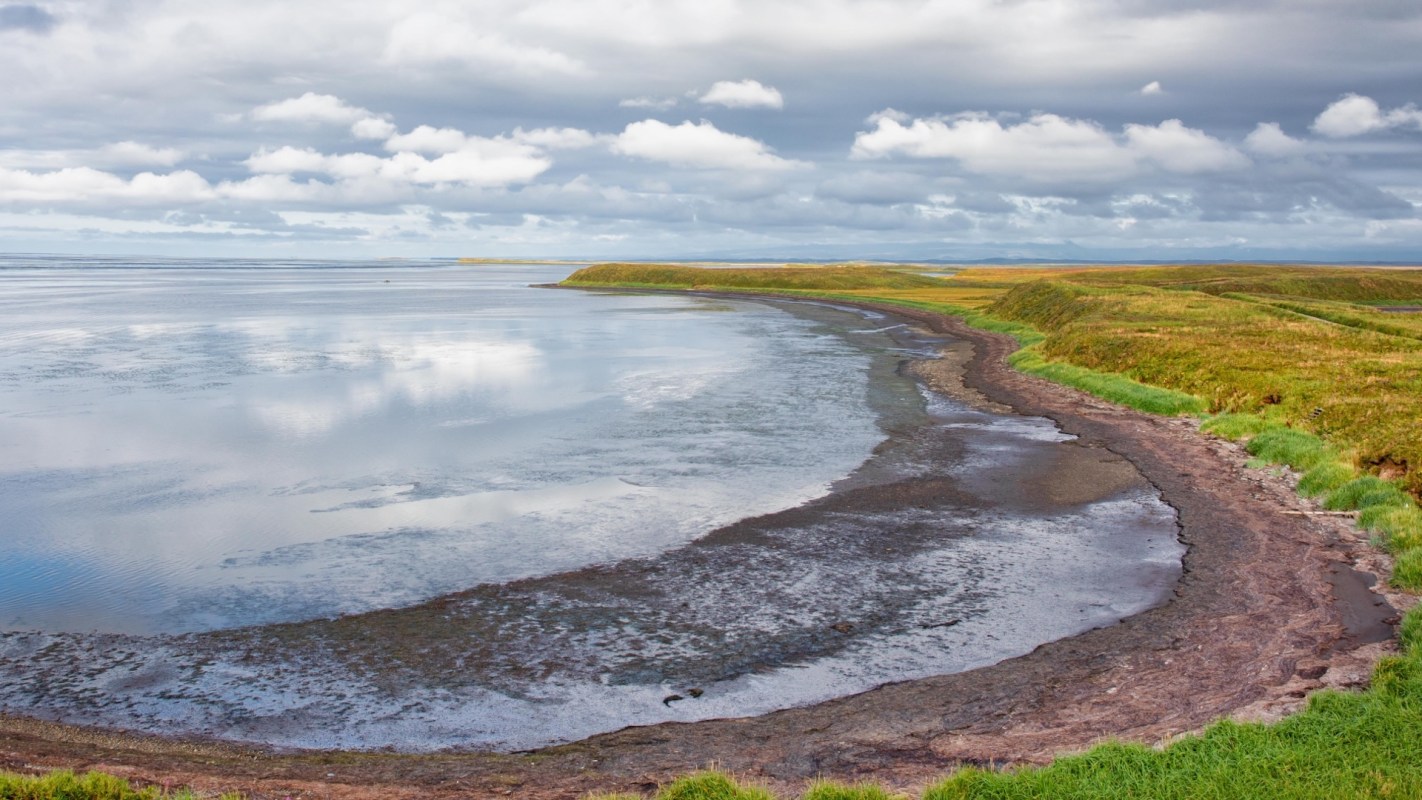
A court ruling has upended Alaska's effort to push a road through Izembek National Wildlife Refuge, with a federal judge invalidating the land exchange tied to the project.
That leaves the proposal in doubt again: backers say the road is needed in emergencies, but critics contend it would harm a globally important wetland habitat.
Here's what to know
According to the Alaska Beacon, U.S. District Court Judge Sharon Gleason said Interior broke the Endangered Species Act, the Refuge Act, and the Alaska National Interest Lands Conservation Act by approving a land trade between the Fish and Wildlife Service and the King Cove Corporation.
At issue is a planned 18.9-mile link from King Cove — a community of about 750 residents — to Cold Bay's all-weather airport. For decades, Alaska officials have argued that the road could be used as a lifesaving evacuation route.
State officials said the fight is not over: they plan to appeal and still want construction on an initial 2.8-mile section to begin after Sept. 1, 2026.
Opponents say even that limited work cannot lawfully go ahead because it is tied to the larger road project. Michelle Sinnott, an attorney with Trustees for Alaska, said, "Our position is that there is no way that the road construction can legally proceed."
TCD Picks » Quince Spotlight
💡These best-sellers from Quince deliver affordable, sustainable luxury for all




A central part of Gleason's ruling concerned the Title XI review process required for roads within Alaska conservation units. Rebecca Noblin, an attorney for the Center for Biological Diversity, said, "If any part of a road goes through a refuge, it all has to go through Title XI."
More background
Few Alaska projects have produced a longer-running clash over access and environmental protection. The proposed road would run across the strip of land between Izembek Lagoon and Kinzarof Lagoon.
Because those waters support migratory birds and other wildlife, the area has significant ecological importance. Izembek is especially notable for hosting hundreds of thousands of birds, including most Pacific black brant worldwide.
The refuge also contains one of the world's largest eelgrass areas, which helps sustain birds and marine life while supporting local food systems.
The dispute has also divided Alaska Native communities. King Cove residents and the Aleut Corp. support the road, while three Yup'ik tribal governments have sued to block it, arguing that damage to the wetlands could threaten subsistence hunting and gathering.
The Beacon reported that Chief Edgar Tall Sr. of the Native Village of Hooper Bay emphasized that concern in a statement: "Our community depends on the brant and emperor geese and subsistence use to eat, so I'm relieved the court decided to protect Izembek from a road that could hurt our harvests."
What's being done?
Three consolidated lawsuits challenged the land trade, while two additional cases seek to overturn the U.S. Army Corps of Engineers permit issued on July 9 that would allow wetland fill for the project, according to the Beacon.
Opponents had already requested an injunction on July 24 to halt construction before it could begin. They say the permit applies to the full 18.9-mile road — not just one section — and depends on the land exchange the judge has voided.
For their part, state officials say the first 2.8 miles can still move forward because that section lies on King Cove Corporation land within the refuge boundary but outside the swap. In an Aug. 6 court filing, the Alaska Department of Law argued that the initial phase could help consolidate off-road vehicle travel and restore access to subsistence-use areas.
The next steps are likely to play out in court, where both sides were scheduled to update the judge on construction plans and how the ruling affects them.

Get TCD's free newsletters for easy tips, smart advice, and a chance to earn $5,000 toward home upgrades. To see more stories like this one, change your Google preferences here.







