


A new legal battle over SpaceX's expansion in South Texas is again drawing attention to the future of public land, wildlife habitat, and sacred Indigenous sites in the region.
A lawsuit seeks to stop a federal land exchange that would turn sensitive refuge acreage over to development connected to SpaceX's expanding presence near Boca Chica.
What happened?
The proposed deal centers on land in the Lower Rio Grande Valley. As The Texas Tribune reported, SpaceX would get 715 acres within the Lower Rio Grande Valley National Wildlife Refuge, while the Fish and Wildlife Service would receive 683 acres of nearby private land next to Laguna Atascosa National Wildlife Refuge.
The lawsuit was filed by the Center for Biological Diversity, Save RGV, the South Texas Environmental Justice Network, and the Carrizo-Comecrudo Tribe of Texas.
According to the Tribune, the groups say the swap would endanger public lands, habitat, and cultural resources. It argues the refuge tracts include endangered species habitat and the Palmito Ranch Battlefield National Historic Landmark. The Carrizo-Comecrudo Tribe considers the land that SpaceX occupies to be sacred.
In their complaint, the plaintiffs say rocket testing has already left debris on refuge property. They also argue the government failed to fully weigh alternatives or the potential effects of the deal as SpaceX continues to expand.
TCD Picks » Quince Spotlight
💡These best-sellers from Quince deliver affordable, sustainable luxury for all




Why does it matter?
The dispute raises questions about whether public lands bought and protected with taxpayer dollars should be converted for residential, commercial, institutional, or manufacturing uses connected to private companies.
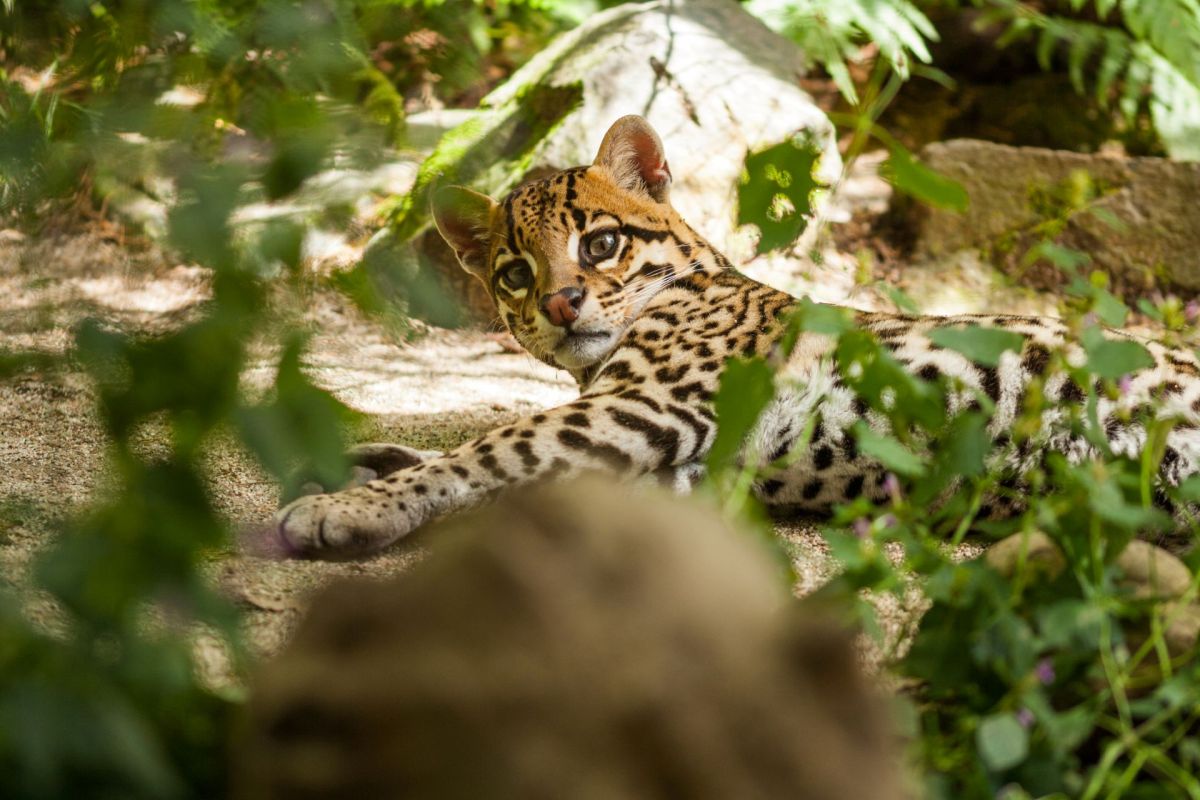
The consequences could affect nearby residents as much as wildlife. The Lower Rio Grande Valley is home to rare species, including the endangered ocelot.
Conservationists argue that losing intact habitat could further strain a region already dealing with economic pressure, ecological damage, and cultural loss.
Federal officials have said the exchange would consolidate fragmented refuge holdings and provide a net conservation benefit. The Tribune reported that the FWS said the land swap would not significantly harm public health or safety, historic or cultural resources, wetlands, floodplains, or sacred sites for federally recognized tribes.
What are people saying?
"Our protected public lands are being gifted for the benefit of the world's richest man, who could trash them while playing with his exploding rockets," Laiken Jordahl of the Center for Biological Diversity told the Tribune. "The Lower Rio Grande Valley National Wildlife Refuge was built by decades of conservation work and funded by millions of taxpayer dollars to protect our vulnerable wildlife like ocelots and piping plovers."
Federal officials defended the rationale for the exchange, saying, "The resulting changes in land use and landscape context have impacted the ability of these parcels to function as effective components of the regional conservation network."

Get TCD's free newsletters for easy tips, smart advice, and a chance to earn $5,000 toward home upgrades. To see more stories like this one, change your Google preferences here.







