


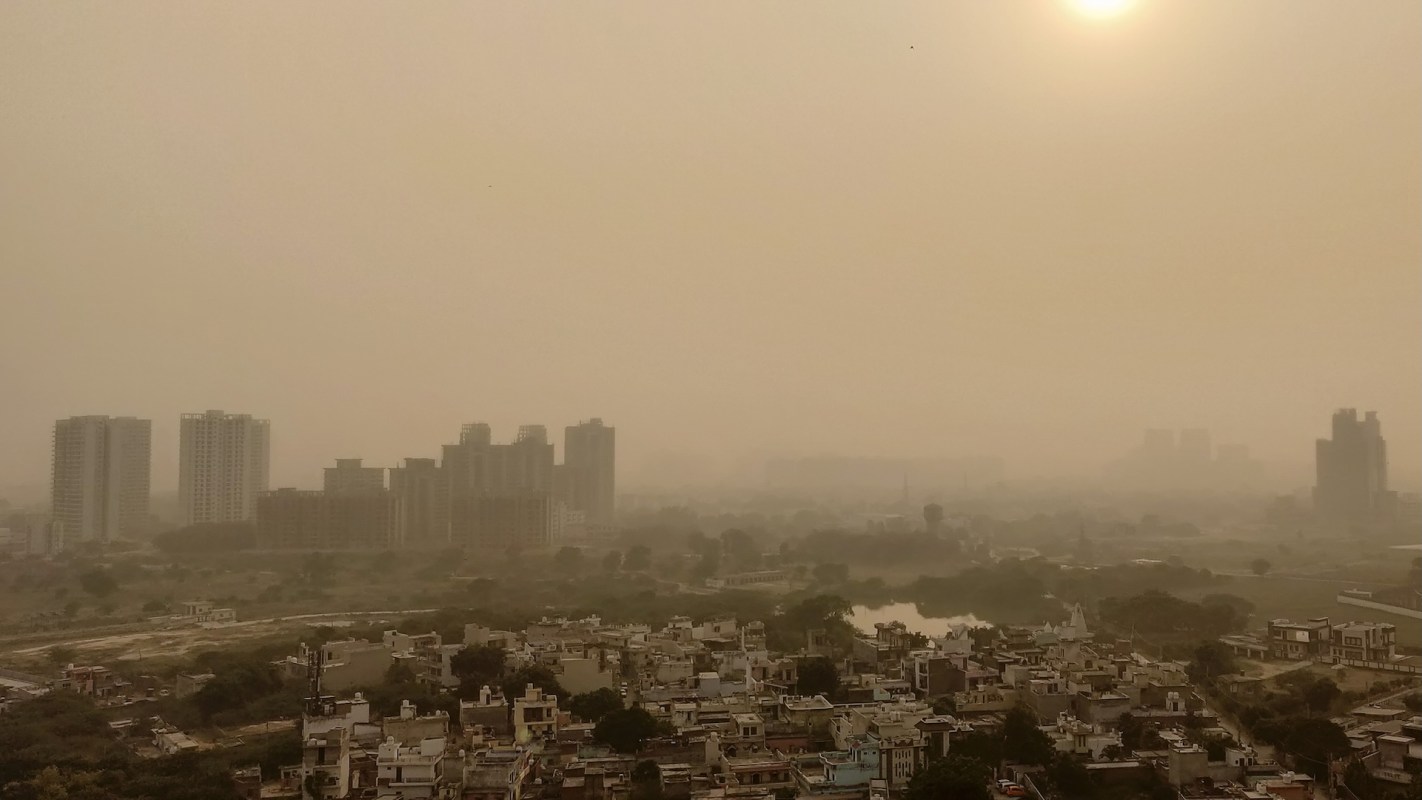
Urban air pollution has long been associated with smog, dust, and traffic fumes, but a new scientific finding is drawing attention to an invisible threat that's been floating right under our noses, reported EDEX Live.
Researchers studying the atmosphere of India's busiest cities have uncovered widespread inhalable microplastics, tiny fragments of synthetic material small enough to lodge deep inside human lungs.
Their discovery suggests an emerging pollutant with very real consequences for everyday people.
What's happening?
A team from IISER Kolkata, AIIMS Kalyani, and the Institute of Mathematical Sciences conducted the first systematic investigation of airborne microplastics across major Indian cities, including Chennai, Delhi, Mumbai, and Kolkata.
Using advanced laboratory analysis, they detected an average of 8.8 micrograms of plastic per cubic meter (35 cubic feet) of air, with Chennai measuring approximately four micrograms of microplastic particles in every cubic meter of air, which is lower than Delhi and Kolkata but still significant in daily exposure.
These particles weren't just bits of plastic. Many carried phthalates, heavy metals such as lead and arsenic, and even others like fungal spores and bacteria.
Researchers estimate that someone who spends eight hours in a busy marketplace could inhale around 190 plastic particles daily in Chennai and considerably more in northern cities.
Computational analysis showed that inhaled microplastics can carry at least 28 associated chemicals, including carcinogens and endocrine disruptors, impacting things like metabolism, mood, and development.
According to the research team, this "represents an unexplored but critical layer" of the urban air environment.
Why is this discovery concerning?
Although microplastics have already been detected in oceans, drinking water, and household dust, their presence in the air adds a new, deeply personal dimension to the issue.
TCD Picks » Quince Spotlight
💡These best-sellers from Quince deliver affordable, sustainable luxury for all




|
Do you worry about the quality of the air inside your home?
Click your choice to see results and speak your mind. |
 Yes — often 😬
 Breathing is constant, which means exposure is unavoidable, especially for people who work long hours outdoors. These particles can reach the smallest passages of the lungs, where their toxic chemical coatings and microbial companions may irritate or exacerbate health conditions.
The study also connected plastic-associated chemicals to dozens of diseases, highlighting how this problem directly affects communities, workers, and families rather than remaining just an environmental concern.
What's being done about microplastics?
Scientists say that creating consistent monitoring systems is the first step, and studies like this help build the foundation for future policy.
Cities could reduce pollution by improving waste management, strengthening recycling infrastructure, and encouraging cleaner manufacturing and textile practices.
Individuals can support these efforts by choosing durable, low-shedding fabrics, cutting back on single-use plastics, and backing community clean-air initiatives.
Understanding this pollutant is an important move toward a healthier, cleaner future with fewer invisible plastics in every breath.

Get TCD's free newsletters for easy tips to save more, waste less, and make smarter choices — and earn up to $5,000 toward clean upgrades in TCD's exclusive Rewards Club.
Cool Picks




