


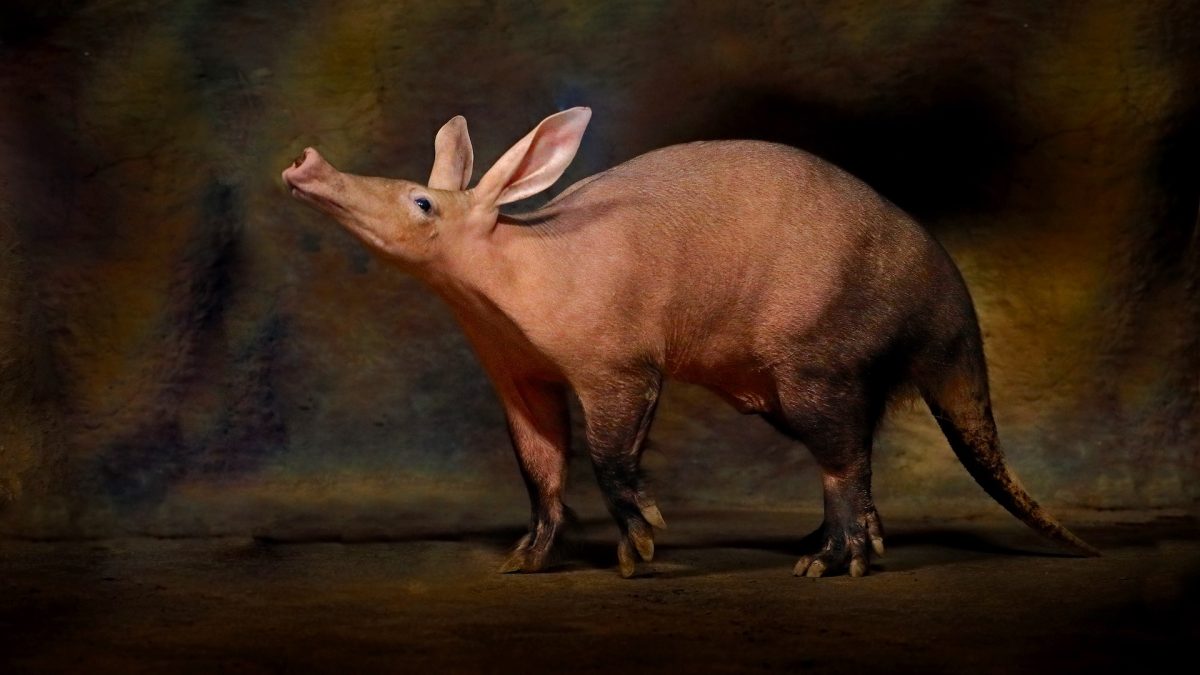
Guests and conservationists at Buffelsdrift Game Lodge in South Africa have observed unusual behavior in aardvarks in the area.
What's happening?
Normally, aardvarks are nocturnal creatures, only coming out after sunset to forage for ants and termites. On rare occasions, if the weather is exceptionally cold, they might briefly surface during the daytime to soak in a bit of sun.
However, according to the George Herald, guests and conservationists at the Buffelsdrift Game Lodge are seeing these animals out and about consistently during the daytime, suggesting something is wrong.
Why is this behavior change concerning?
While seeing the aardvarks has been a rare treat, the consistency of their daytime activity is concerning and a sign of ecological imbalance, primarily caused by rising temperatures.
Research done at the University of the Witwatersrand in the Kalahari determined that when temperatures become too high and the ground too dry, termites and ants reduce their activities. In fact, they burrow further underground to escape the heat, making them inaccessible to aardvarks.
When this happens, it means that aardvarks are no longer consuming enough food or water, as these insects make up the majority of their diet and provide a good portion of the aardvarks' water intake.
As they eat less food, this species can no longer sustain its metabolism, leading to an inability to regulate body temperature. Because of this, aardvarks become colder at night than usual, leading them to come out during the day to soak up the sun and conserve energy.
Since aardvarks play a vital role in the ecosystem by controlling ant and termite populations and enhancing nutrient cycling and soil health, a lack of energy makes it harder for them to fulfill that role.
Additionally, as temperatures continue to rise worldwide, animals of all kinds are being affected.
Bees, which are vital to protecting human food supplies as they pollinate a majority of crops people consume, are having to work harder to cool down in extreme heat, leading them to pollinate less.
TCD Picks » Quince Spotlight
💡These best-sellers from Quince deliver affordable, sustainable luxury for all




|
Which of these savings plans for rooftop solar panels would be most appealing for you?
Click your choice to see results and earn rewards to spend on home upgrades. |
 Save $1,000 this year 💸
 Even penguins are facing the consequences of an overheating planet, with rising temperatures causing some species' breeding season to move.
With the continued burning of polluting energy sources like gas and oil, global temperatures are destined to increase further. In fact, according to Climate Data Canada, scientists predict 2026 will be among the four hottest years on record.
What's being done about aardvarks in South Africa?
The conservation team at Buffelsdrift will continue monitoring the aardvarks to assess their energy levels, body condition, and movement, primarily through a camera trap program.
Ongoing since 2013, this program relies on trail cameras to capture wildlife movement and behavior, aiding conservationists in monitoring wildlife and understanding how it reacts to environmental changes.

Get TCD's free newsletters for easy tips to save more, waste less, and make smarter choices — and earn up to $5,000 toward clean upgrades in TCD's exclusive Rewards Club.
Cool Picks




