


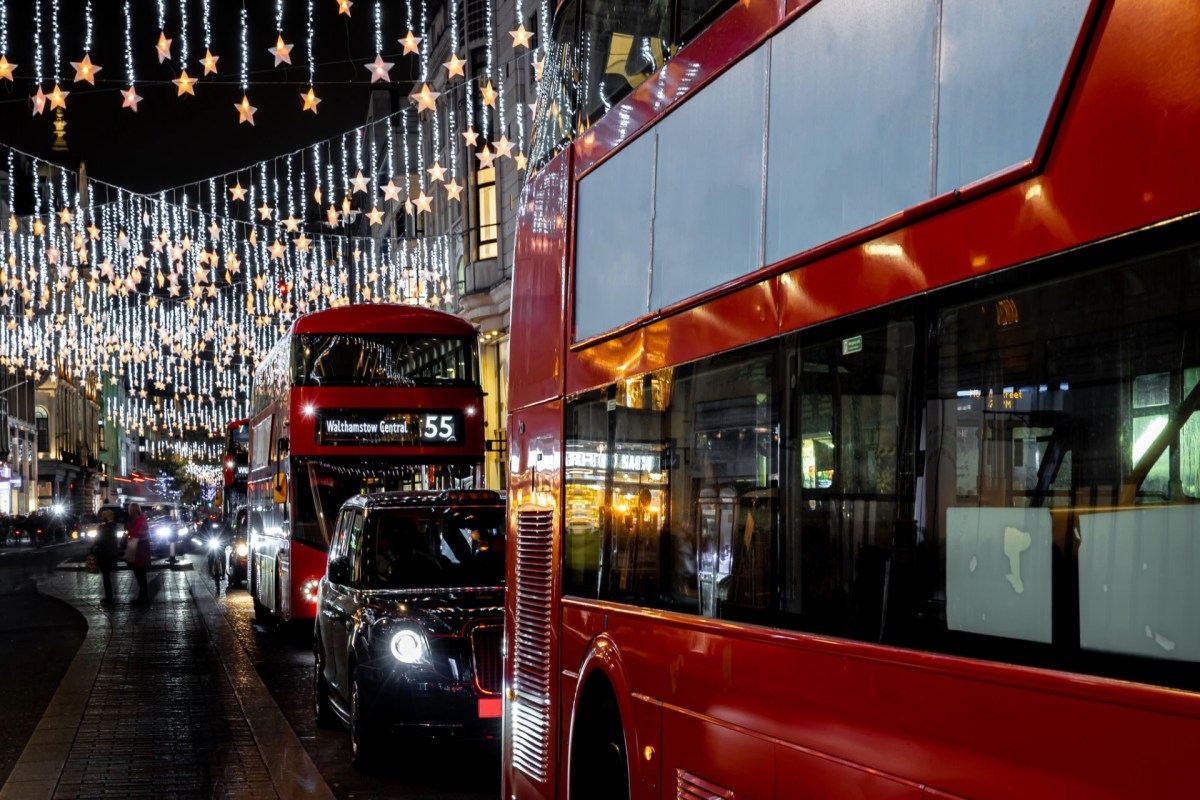
London just hit a major transportation milestone — more than 2,000 zero-emission buses are now rolling through the city's streets.
Mayor Sadiq Khan announced the achievement last week, calling it proof that the city is serious about tackling pollution and making travel healthier and more affordable.
"I will continue to do everything I can to ensure buses remain the most accessible, affordable and sustainable form of transportation," Khan said, per the BBC.
The shift began modestly back in 2016 with just 30 vehicles. Less than a decade later, more than 20% of London's bus fleet is now zero-emission, making it the largest clean bus network in Western Europe, outpacing cities like Paris, Berlin, and Madrid.
Today, more than 107 bus routes are fully zero-emission, and another 30 are partially converted, according to the BBC. Two routes also run hydrogen-powered buses.
City officials said the next step is to keep expanding until the entire fleet runs on clean power — a move tied to London's goal of reaching net zero pollution by 2030.
Each new zero-emission bus means less dirty fuel burned and fewer heat-trapping gases released into the atmosphere.
London is cutting the pollution that overheats the planet by utilizing clean power, helping to turn public transportation into a powerful tool to fight the impacts of rising global temperatures.
Lorna Murphy, Transport for London's director of buses, noted that decarbonising the public transport network was essential, per the BBC.
Having fewer diesel buses on the road also means less soot and nitrogen dioxide in the air, which can trigger asthma and heart problems. Cutting that pollution makes life in the city healthier, especially for children, older adults, and anyone living near busy roads.
TCD Picks » Quince Spotlight
💡These best-sellers from Quince deliver affordable, sustainable luxury for all




If progress continues at this pace, Londoners could see most of their bus journeys powered by clean energy well before the end of the decade.
|
Would having access to a high-speed train change how often you use public transit? Click your choice to see results and speak your mind. |
 Absolutely 💯
Join our free newsletter for weekly updates on the latest innovations improving our lives and shaping our future, and don't miss this cool list of easy ways to help yourself while helping the planet.
Cool Picks





