


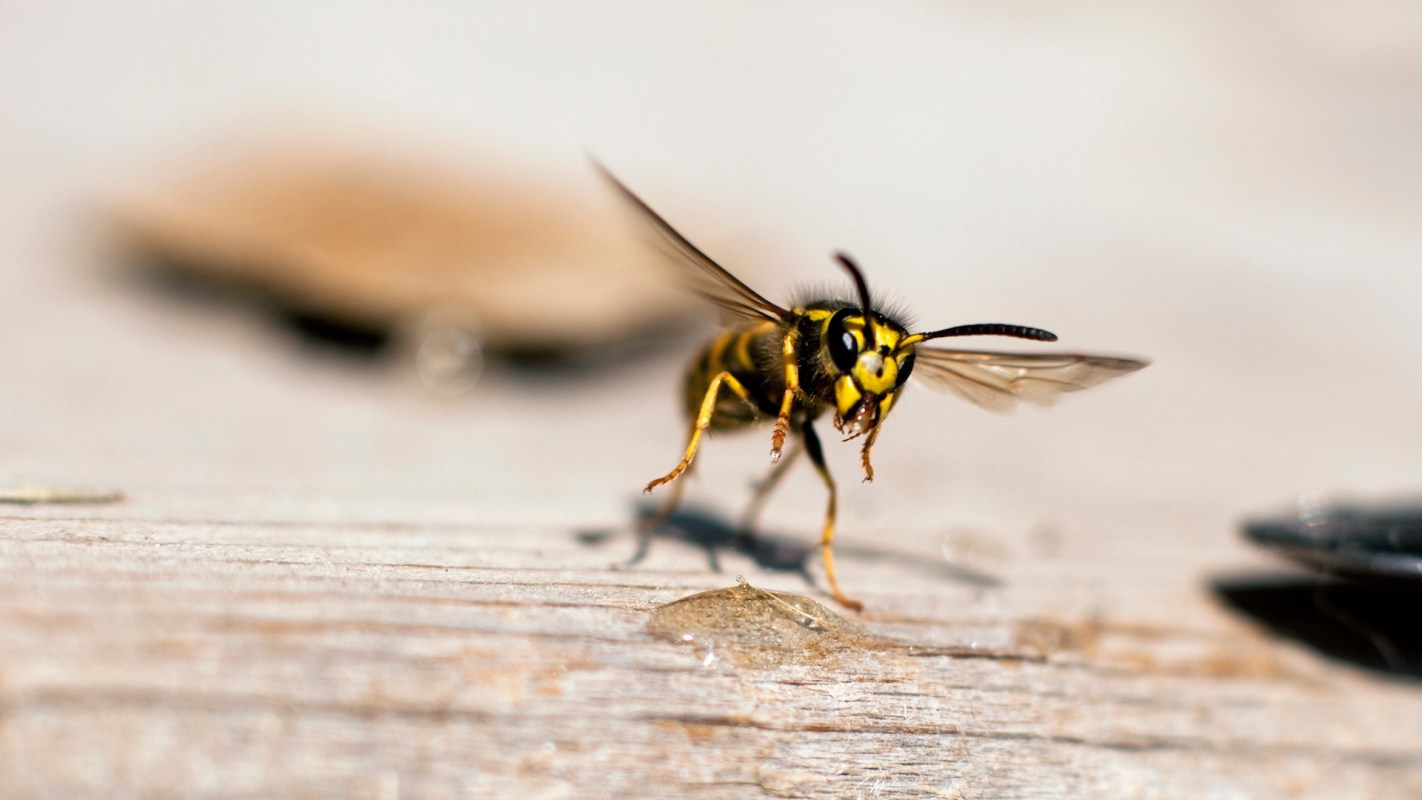
An Ohio gardener filmed an unusual backyard scene: native yellow jackets attacking invasive spotted lanternflies, a development many people across the eastern United States would be glad to see.
What happened?
The post drew 6.6k upvotes and hundreds of comments from viewers watching native wasps take down a pest that has become an increasing headache.
(Click here to watch the embedded video if it does not appear.)
In the video, several yellow jackets appear to gather on spotted lanternflies and eat them, a notable sight given how widely the invasive insect has spread across the eastern United States.
Though yellow jackets are often dismissed as aggressive summer nuisances, the clip shows them serving as a local check on a species that has been harming landscapes and stressing plants in neighborhoods far beyond Ohio.
Why does it matter?
Spotted lanternflies are more than an unpleasant sight on patios and tree trunks. The non-native insects feed on plant sap. They also leave behind sticky honeydew, which can create a mess for residents trying to enjoy or maintain their yards.
TCD Picks » Quince Spotlight
💡These best-sellers from Quince deliver affordable, sustainable luxury for all




The insects also pose a serious economic threat, as they can wreak havoc on vineyards, other crops, and timber.
One video does not mean yellow jackets will solve the lanternfly problem, but healthier local ecosystems can sometimes provide their own defenses.
A better-balanced environment can mean fewer invasive pests and more resilient neighborhoods and green spaces.
Experts urge residents to report all sightings and destroy lanternflies and their egg masses, which resemble gray, mud-like smears.
What are people saying?
People in the comments clearly enjoyed seeing the dynamic reversed.
"I'm not a huge yellow jacket fan, but they are doing a good job," one wrote.
"The enemy of my enemy is my friend!" another replied.
"I never thought I'd be the one cheering for a yellow jacket, but here I am," added one more.

Get TCD's free newsletters for easy tips, smart advice, and a chance to earn $5,000 toward home upgrades. To see more stories like this one, change your Google preferences here.






