


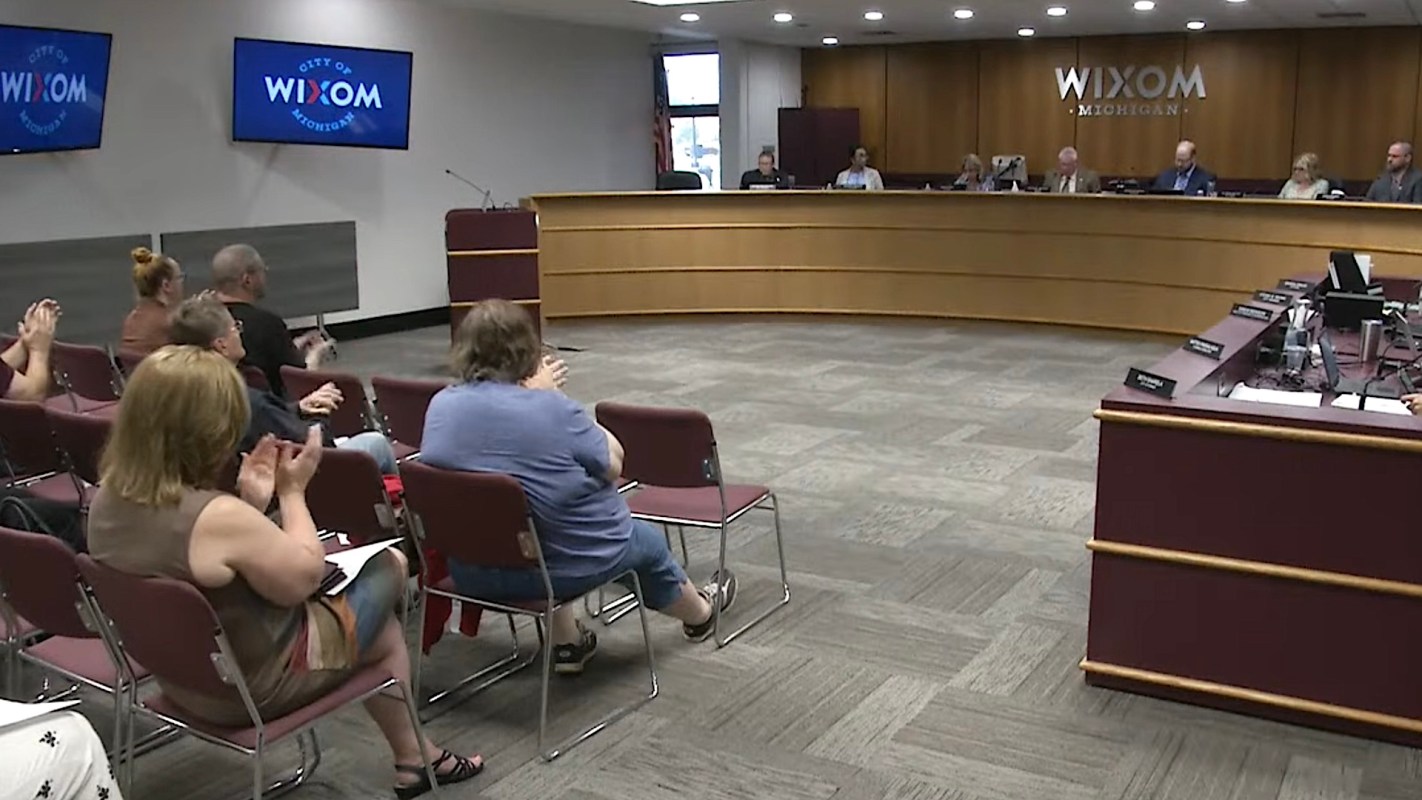
Wixom, Michigan, is moving to tighten its zoning rules for data centers as the city weighs how to handle facilities that can put significant pressure on neighborhoods and public infrastructure.
Officials want the changes to help govern where these projects can be built and under what conditions, amid concerns about electricity use, water needs, and noise.
What happened?
While Wixom's 180-day moratorium on data-center projects, approved March 24, remains in place, the City Council voted 4-3 to advance revisions to the city's zoning rules. The proposal will need more work before it can become law.
The zoning update comes after developer Wixom Industrial One and its partner, St. Louis, Missouri-based Sansone Group, proposed a data center complex on 54 acres at 30625 S. Wixom Road. Their plan calls for three buildings together totaling more than 600,000 square feet.
As MLive reported, Wixom is one of a number of communities across the country trying to reduce the impact data centers can have on neighborhoods and local infrastructure.
Supporting the move were Wixom Mayor Patrick Beagle and council members Peter Behrmann, Tia Gronlund Fox, and Nicole O'Dea. Opposing the move were Deputy Mayor Keenan Gottschall and council members Veronica Simmons and John Kennedy.
TCD Picks » Quince Spotlight
💡These best-sellers from Quince deliver affordable, sustainable luxury for all




Why does it matter?
Data centers are essential to internet services, cloud storage, and AI tools. But for the communities that host them, the trade-offs can be significant, especially when large facilities are proposed near homes or tied into existing municipal systems.
In Wixom, residents and city officials say large data-center projects could bring heavier power demand, substantial water use for cooling, and more noise. They also worry those pressures could raise household utility costs, strain shared infrastructure, and change the character of a neighborhood.
Noise concerns have also been raised elsewhere — homeowners in Loudon County in Virginia have dealt with an ongoing humming noise that they reported disrupts sleep, as well as fumes from the site potentially harming air quality.
What's being done?
Wixom is using its moratorium period to revisit its zoning code before any project can move forward. That pause gives city leaders time to decide what standards, limits, or location requirements should apply to future data centers.
The proposed rules would also set limits for noise, with the city using baseline measurements from a consultant to help establish those standards.
Advancing the proposed ordinance changes is part of that process, though the city has not finalized the regulations.
The moratorium creates room for public input and gives the community a chance to ask practical questions about energy demand, water consumption, noise, and compatibility with surrounding land uses before construction begins.
Wixom's approach relies on zoning, development reviews, and temporary pauses to better understand the effects of fast-moving industrial proposals before locking in major changes.
Wixom's vote does not settle the debate, but it does signal that local leaders are trying to respond before a massive project moves ahead. With a 54-acre proposal still looming, the city's next decisions could shape how it manages growth, infrastructure, and neighborhood concerns.

Get TCD's free newsletters for easy tips, smart advice, and a chance to earn $5,000 toward home upgrades. To see more stories like this one, change your Google preferences here.






