


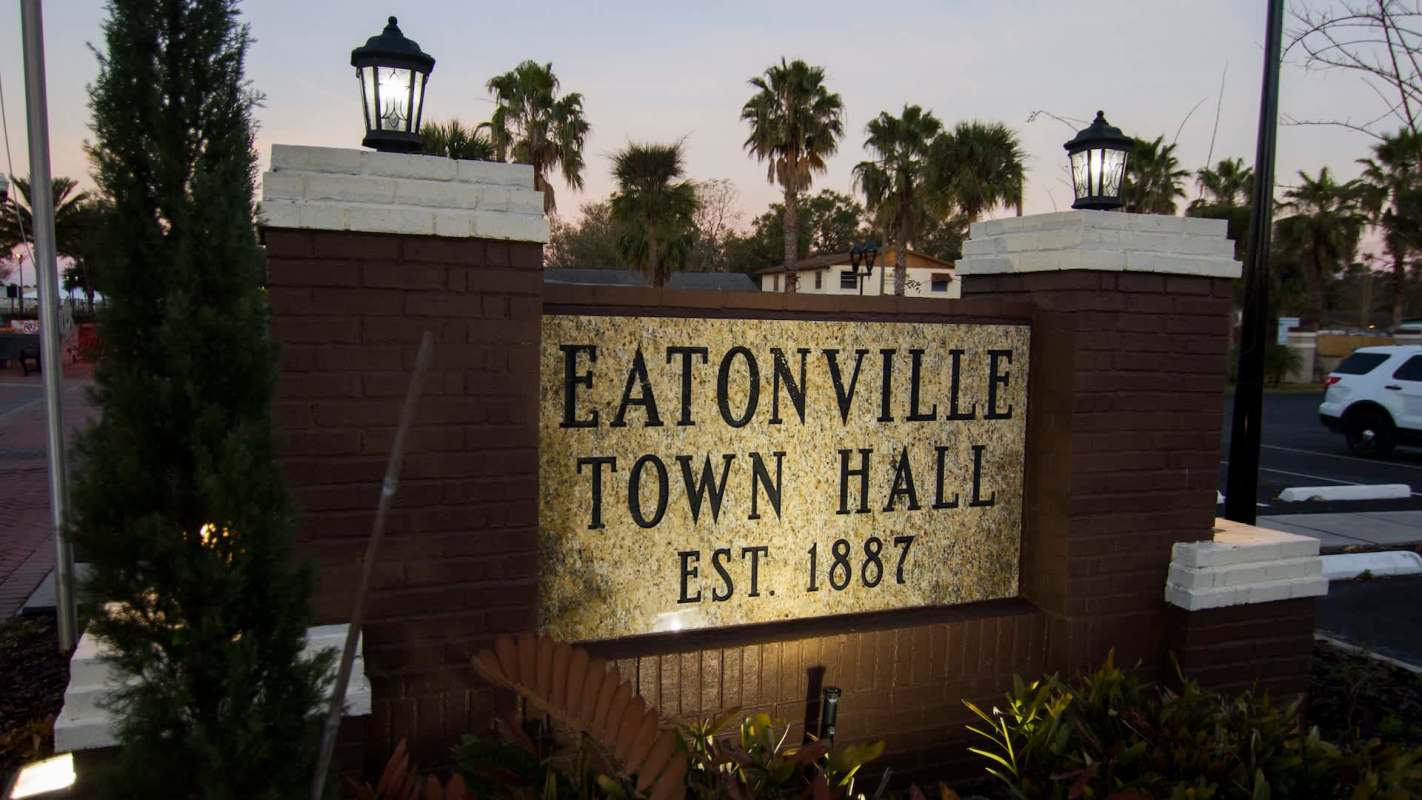
A proposed data center in Eatonville, Florida, is prompting local leaders to slow down and press for clearer answers before the project moves ahead.
Questions from residents are centered on practical and quality-of-life issues, including water and power use, noise, and how the facility would change the area's appearance.
What's happening?
Town leaders in Eatonville are weighing a "call to action" designed to make the proposal more open, asking the developer for fuller information while expanding chances for residents to participate.
At issue is a planned HostDime building of about 100,000 square feet. According to WKMG ClickOrlando, the site would be visible from I-4 and Wymore Road, and officials say residents want clearer explanations of possible effects on local water resources, utility costs, and environmental conditions.
Councilwoman Wanda Randolph is spearheading the proposal. As WKMG ClickOrlando reported, town officials say they want to work with the developer early so Eatonville is better informed and can respond to potential problems sooner.
If approved, the measure would move into an information-gathering and outreach phase, WKMG ClickOrlando reported, with the town seeking more details from HostDime and arranging community meetings plus a public forum before any final decision.
TCD Picks » Quince Spotlight
💡These best-sellers from Quince deliver affordable, sustainable luxury for all




Why does it matter?
Data centers are becoming a bigger part of everyday life because they support cloud services, streaming, online storage, and increasingly artificial intelligence tools. But they can also bring heavy electricity demand, large water needs for cooling, constant equipment noise, and added pressure on local infrastructure.
Nearby residents may be wondering whether a new facility could affect their monthly bills, neighborhood noise, or access to local resources. Eatonville's concerns reflect a broader issue playing out in communities across the country as data center development speeds up.
AI is tied to the power grid in both promising and concerning ways. AI tools can help utilities forecast demand, better integrate solar and wind power, and improve energy efficiency. At the same time, the rapid expansion of AI computing is driving the need for more data centers, which can consume significant amounts of electricity and water while raising concerns about security, misuse, and unintended costs for households if planning and oversight fall short.
Once a large facility is built, its effects on land, energy systems, and water resources can shape a community for years.
What's being done?
At the state level, Florida has already acted on some of these concerns. Earlier this year, WKMG ClickOrlando reported that Gov. Ron DeSantis signed SB 484, which bars utilities from passing grid-upgrade costs tied to data centers on to residential customers.
WKMG ClickOrlando also reported that the law gives local governments the authority to reject data center proposals and requires strict water permits.
At the local level, Eatonville's proposed transparency push could create a more public review process before any final decisions are made. That would give residents a chance to ask direct questions about water consumption, electricity use, noise, and visual impacts.
In short, Eatonville's proposed measure would seek fuller public information on the facility before any final decision is made.

Get TCD's free newsletters for easy tips, smart advice, and a chance to earn $5,000 toward home upgrades. To see more stories like this one, change your Google preferences here.






