


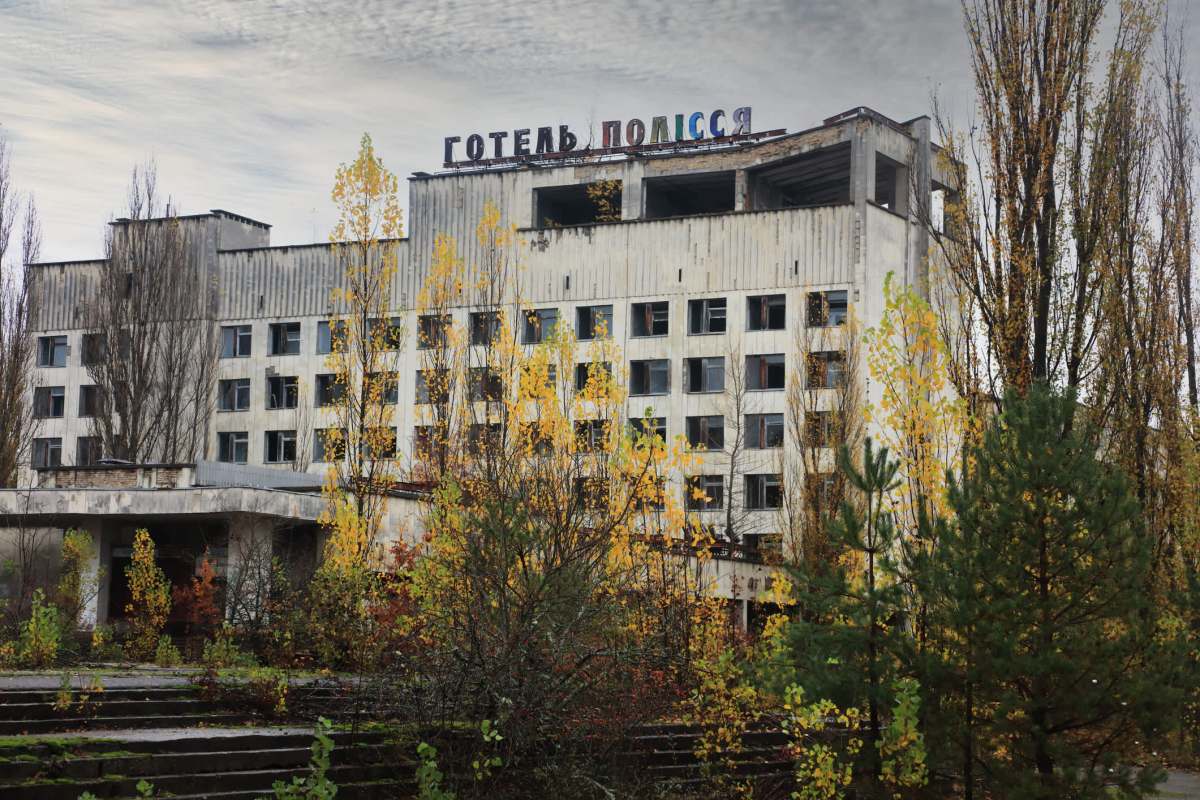
For decades, the Chernobyl exclusion zone has served as an eerie but important refuge for wildlife. But new camera-trap research suggests that wildlife behavior shifted quickly once Russian forces took control of the zone early in the invasion of Ukraine.
What happened?
As summarized by Live Science, the new Science study used camera-trap footage from February and March 2022 and matched it against images captured during the same period in 2021, before the invasion began. That before-and-after view gave researchers an unusual way to examine animal behavior during a military takeover without having to enter an active war zone.
Researchers looked at the nearly 1,000-square-mile exclusion zone surrounding the site of the 1986 nuclear disaster, where minimal human presence has contributed to wildlife populations rebounding over time. Drawing on an existing system of automated cameras, the team reviewed almost 2,000 photos and video clips and documented responses across 11 wild mammal species.
The camera record suggested that behavior shifted as the conflict escalated. Roe deer, red deer, moose, and red foxes were among the species that appeared less active during the occupation than they had before the war, especially at night.
Why does it matter?
In Chernobyl, the lack of regular human activity had transformed a place once defined by catastrophe into a living laboratory for scientists studying animal behavior and environmental resilience.
When wildlife changes its feeding, movement, or resting patterns due to explosions, troop activity, and vehicle noise, the effects can ripple through entire ecosystems. Those disruptions may also make conservation and recovery more difficult in places already dealing with trauma, displacement, and damaged infrastructure.
TCD Picks » Quince Spotlight
💡These best-sellers from Quince deliver affordable, sustainable luxury for all




The study shows that the environmental costs of conflict can be immediate, measurable, and long-lasting.
What are people saying?
"I wish the opportunity to analyze how the unfolding invasion affected wildlife ha[d] never happened," Svitlana Kudrenko, a researcher who conducted the study during her Ph.D. work at the Albert Ludwig University of Freiburg in Germany, told Live Science in an email.
She added, "Unlike in preindustrial times, current interstate conflicts are highly detrimental for wildlife because of a long list of warfare, often operated remotely."
Kudrenko also said the study highlights the need "to develop and implement research and conservation strategies focusing on armed conflict impacts on wildlife and environment in general, especially in areas of conservation importance."

Get TCD's free newsletters for easy tips, smart advice, and a chance to earn $5,000 toward home upgrades. To see more stories like this one, change your Google preferences here.






