


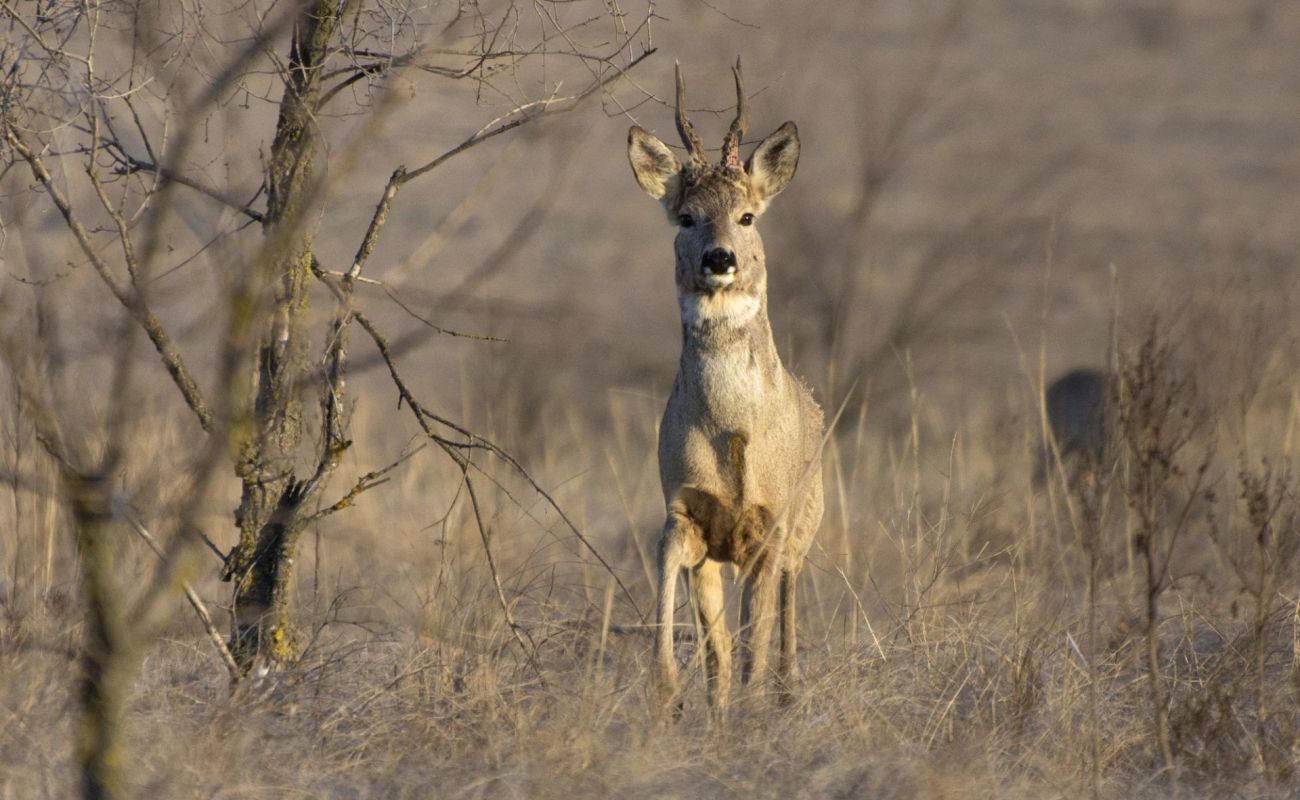
Once the epicenter of a catastrophic nuclear disaster, Chernobyl in Ukraine was left uninhabitable for humans. But in the silence that followed evacuation, nature began to reclaim the land.
Against all odds, this forbidden zone is evolving into an extraordinary wildlife haven, according to PBS News.
Hidden cameras across the Chernobyl exclusion zone are capturing a remarkable resurgence of wildlife, offering a rare glimpse into how ecosystems rebound when human presence disappears.
After the 1986 explosion triggered mass evacuations, entire cities were abandoned, leaving behind a radioactive landscape stretching thousands of square miles.
Four decades later, that once-desolate terrain is teeming with life.
Przewalski's horses, once nearly extinct, now roam freely, grazing among overgrown buildings as forests reclaim old roads.
TCD Picks » Quince Spotlight
💡These best-sellers from Quince deliver affordable, sustainable luxury for all




Wolves, lynx, moose, and red deer have also returned, along with free-roaming dogs and even brown bears, a species absent from the region for more than a century.
"The fact that Ukraine now has a free-ranging population is something of a small miracle," Denys Vyshnevskyi, the zone's lead nature scientist, told PBS News.
Camera traps show the horses adapting in surprising ways, including taking shelter inside abandoned homes and barns to escape harsh weather and insects.
"Nature recovers relatively quickly and effectively," Vyshnevskyi added.
|
Which of these savings plans for rooftop solar panels would be most appealing for you?
Click your choice to see results and earn rewards to spend on home upgrades. |
 Save $1,000 this year 💸
 Still, the recovery is not without complications. Radiation remains an invisible presence, and scientists continue to observe its subtle but lasting effects, such as birds developing cataracts and frogs evolving darker skin.
New threats have also emerged. Military activity in recent years has damaged parts of the zone, while forest fires risk releasing radioactive particles back into the air.
"Most forest fires are caused by downed drones," Oleksandr Polischuk, who leads a firefighting unit in the zone, told PBS News. "Sometimes we have to travel dozens of kilometers to reach them."
Even so, the broader picture is striking. With minimal human interference, the region has effectively become an accidental nature reserve — one that offers valuable insight into how ecosystems function when left largely undisturbed.
"For those of us in conservation and ecology, it's kind of a wonder," Vyshnevskyi said. "This land was once heavily used — agriculture, cities, infrastructure. But nature has effectively performed a factory reset."

Get TCD's free newsletters for easy tips, smart advice, and a chance to earn $5,000 toward home upgrades. To see more stories like this one, change your Google preferences here.







