


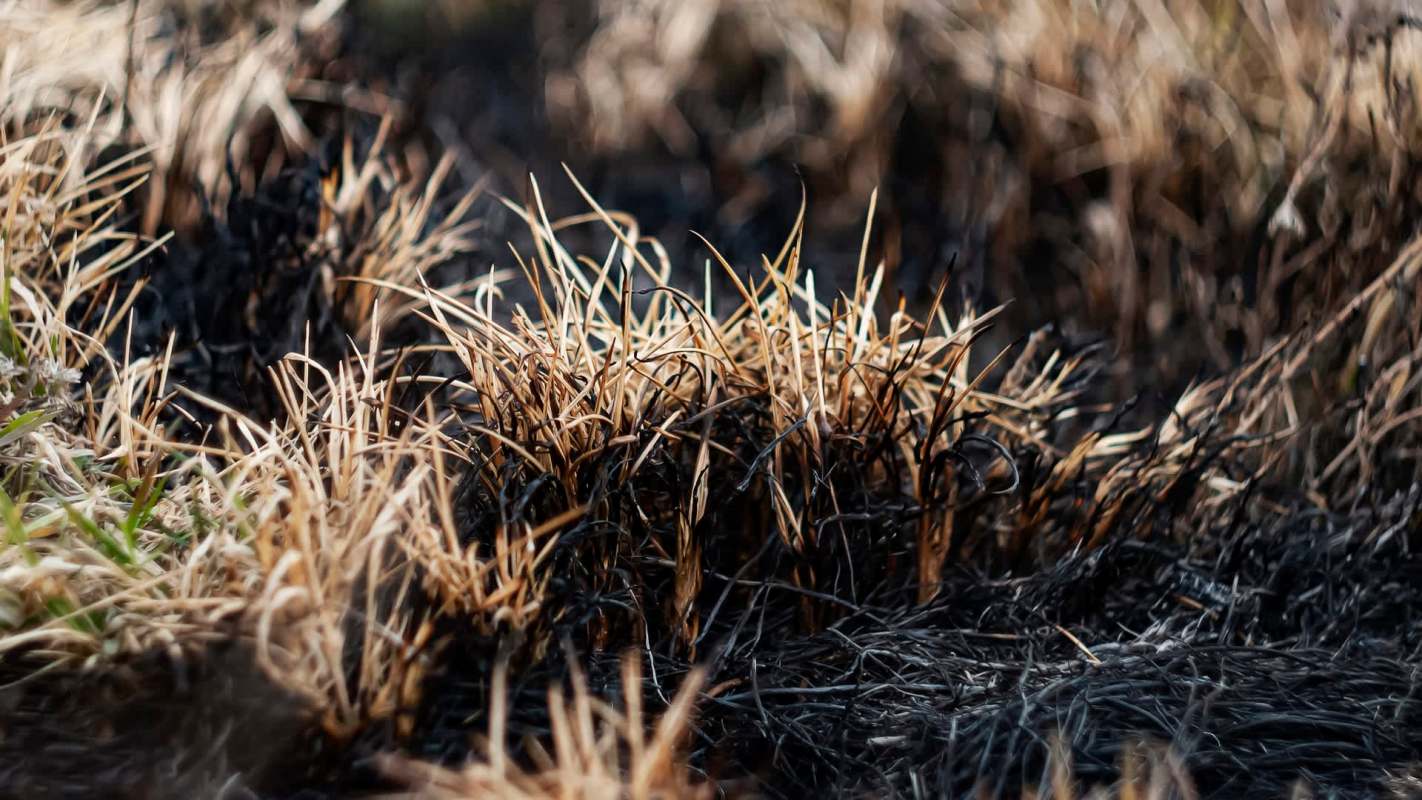
No one likes a grueling job — but for firefighters, it's not just a workday. Unfortunately, it's a lifestyle.
Recent studies by firefighters-turned-researchers Patricia O'Brien and Luke Santore found that wildland firefighters are suffering an epidemic of loneliness due to their profession. Although it's considered a rewarding line of work, most firefighters end up sacrificing much more than they anticipated.
What's happening?
Due to the seasonal nature of wildfires, firefighting is often a seasonal job, with unimaginably long working hours from May to September. According to the Mountain Journal, some firefighters often end up working 16 hours a day, with more than 1,000 hours overtime in a single fire season.
"Your at-home relationships are eternally disrupted," Santore explained to the Journal. "It's half the year where you functionally don't exist."
Under the combined pressure of arduous working hours, low pay, fire department drinking culture, post-traumatic stress, and a prolonged separation from loved ones, many firefighters experience crippling loneliness and depression, per the study. O'Brien's research stated that almost a quarter of wildland firefighters reported a history of attempted suicide, with close to 40% harboring a current suicidal ideation.
"It's [an] incomprehensibly demanding and challenging job," Santore continued. "It's extreme in every possible way."
Why is firefighters' mental health important?
As our warming climate makes heat waves and wildfires more rampant in many regions, it's possible that labor conditions for firefighters will only worsen. A 2025 wildland fire statistics outlook by the National Interagency Coordination Center reported more than 5 million acres burned by a shocking 72,068 wildfires across the U.S. — almost 22% more than the average count over the past decade.
Wildfires are actually environmentally necessary for the regrowth and rejuvenation of land and soil, per the Journal, but most fire regulation efforts don't allow for controlled burns — a policy that has made wildfires more extreme in the long run.
Moving forward, it's critical that firefighters receive the support they need — whether through higher pay or through better access to mental health services. Sadly, staffing cuts under President Trump's administration, following pay cuts in 2021 for federally employed firefighters, have made circumstances even worse.
"It's a community that's just been left behind in the grand scheme of things by the public, the government," said California fire station member Justin Demoss, per the Journal.
TCD Picks » Quince Spotlight
💡These best-sellers from Quince deliver affordable, sustainable luxury for all




|
What's the most you'd pay per month to put solar panels on your roof if there was no down payment?
Click your choice to see results and speak your mind. |
 $200 or more 💰
 What's being done to protect firefighters?
While organizations like the Climate Psychiatry Alliance have successfully raised some awareness about the burdens that plague today's wildland firefighters, most real change can only be enacted with government support.
A change in strategy, for instance, could involve controlled burns to mitigate fire severity over time. Likewise, federal funding and staffing support can make a substantial difference in fire service pay and working hours, and providing firefighters with free or low-cost access to counseling can help them manage loneliness and post-traumatic stress in a healthy way.
Meanwhile, you can vote pro-climate candidates into office to ensure that firefighters and other environmental workers receive the funding and protections they direly need.

Get TCD's free newsletters for easy tips to save more, waste less, and make smarter choices — and earn up to $5,000 toward clean upgrades in TCD's exclusive Rewards Club.
Cool Picks





