


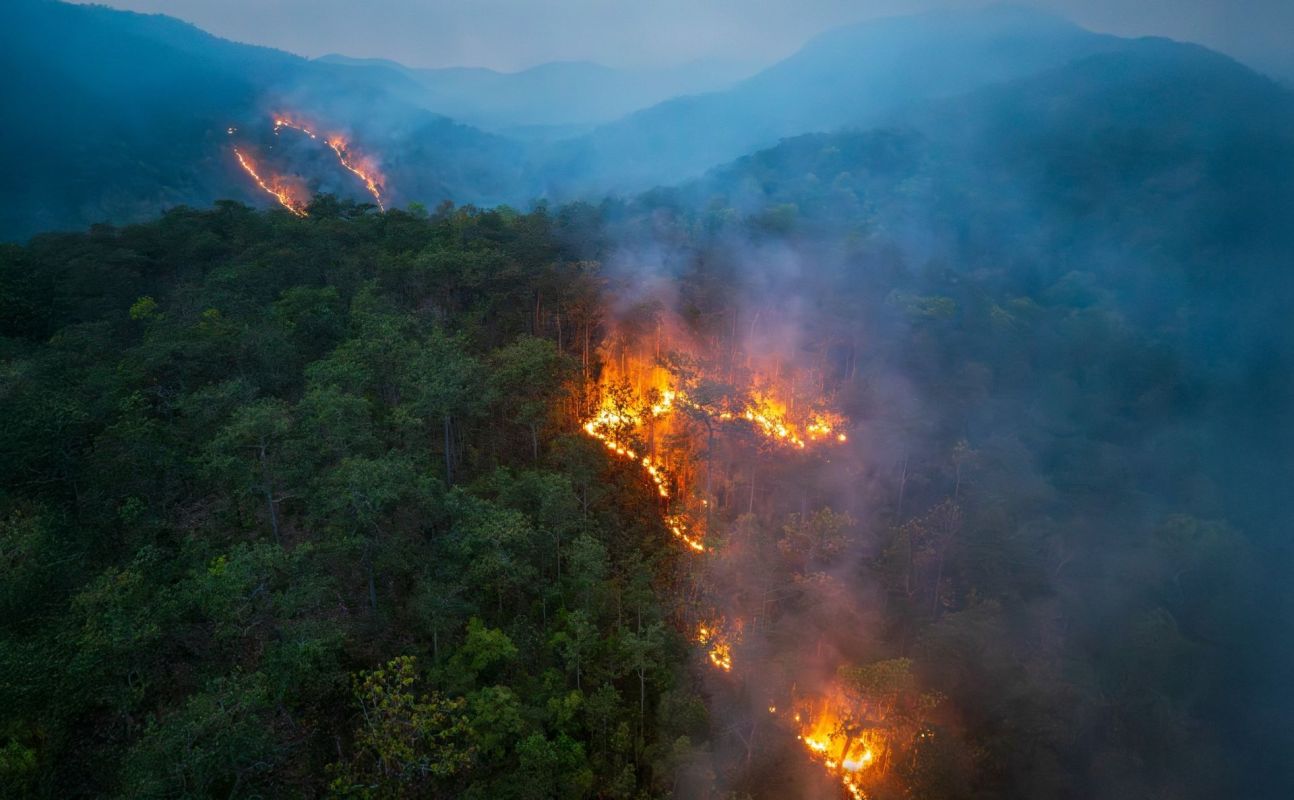
Wildfires do not stop threatening communities when the flames die down.
As detailed by The Conversation, new research suggests that some of the most serious damage may arrive later, when rain washes ash, debris, and chemicals into the waterways people rely on for drinking water.
A review of 23 studies covering 28 watersheds found that wildfire damage can trigger major water-quality problems long after a fire has burned through an area.
Once trees and vegetation are gone, the landscape is left exposed. Plants that had helped slow rain and keep soil anchored are no longer there, while ash and burned material remain on the ground. That sets the stage for runoff when storms arrive.
Researchers found that storms can flush ash, sediment, and suppression chemicals into streams, rivers, and reservoirs.
One of the earliest warning signs is often turbidity, or an increase in water cloudiness from suspended material, which can make treatment harder.
TCD Picks » Quince Spotlight
💡These best-sellers from Quince deliver affordable, sustainable luxury for all




Wildfires can also raise levels of contaminants such as polycyclic aromatic hydrocarbons, with some tied to an increased cancer risk. Chemicals used in fire suppression may affect water quality because some retardants contain phosphates.
That turns wildfire season into a public health problem that lasts well beyond evacuation orders and smoky skies. If a community depends on nearby rivers or reservoirs for drinking water, a fire can affect what comes out of the tap.
The scale of the risk depends on several factors, including burn severity, slope, soil and vegetation conditions, stream proximity, and how soon heavy rain arrives after the fire.
Some communities are much more exposed than others. Smaller and rural water systems may have a harder time handling sudden changes in water quality.
The findings also point to an equity issue since not every community can absorb the shock of a damaged water supply.
The researchers argued that protecting water sources should be treated as part of wildfire preparedness, not just as a cleanup issue after a disaster. It requires planning ahead to protect watersheds and drinking water systems before the next major fire hits.
They recommended stronger monitoring after significant wildfires.
The review also pointed to the need for more help for drinking water treatment systems serving small and rural communities.
Wildfires are often framed as short-term disasters, but this research shows their effects can linger in less visible ways.
Protecting drinking water after a fire is not just an infrastructure challenge — it is also a public health and equity issue for communities already facing the fallout.

Get TCD's free newsletters for easy tips, smart advice, and a chance to earn $5,000 toward home upgrades. To see more stories like this one, change your Google preferences here.






