


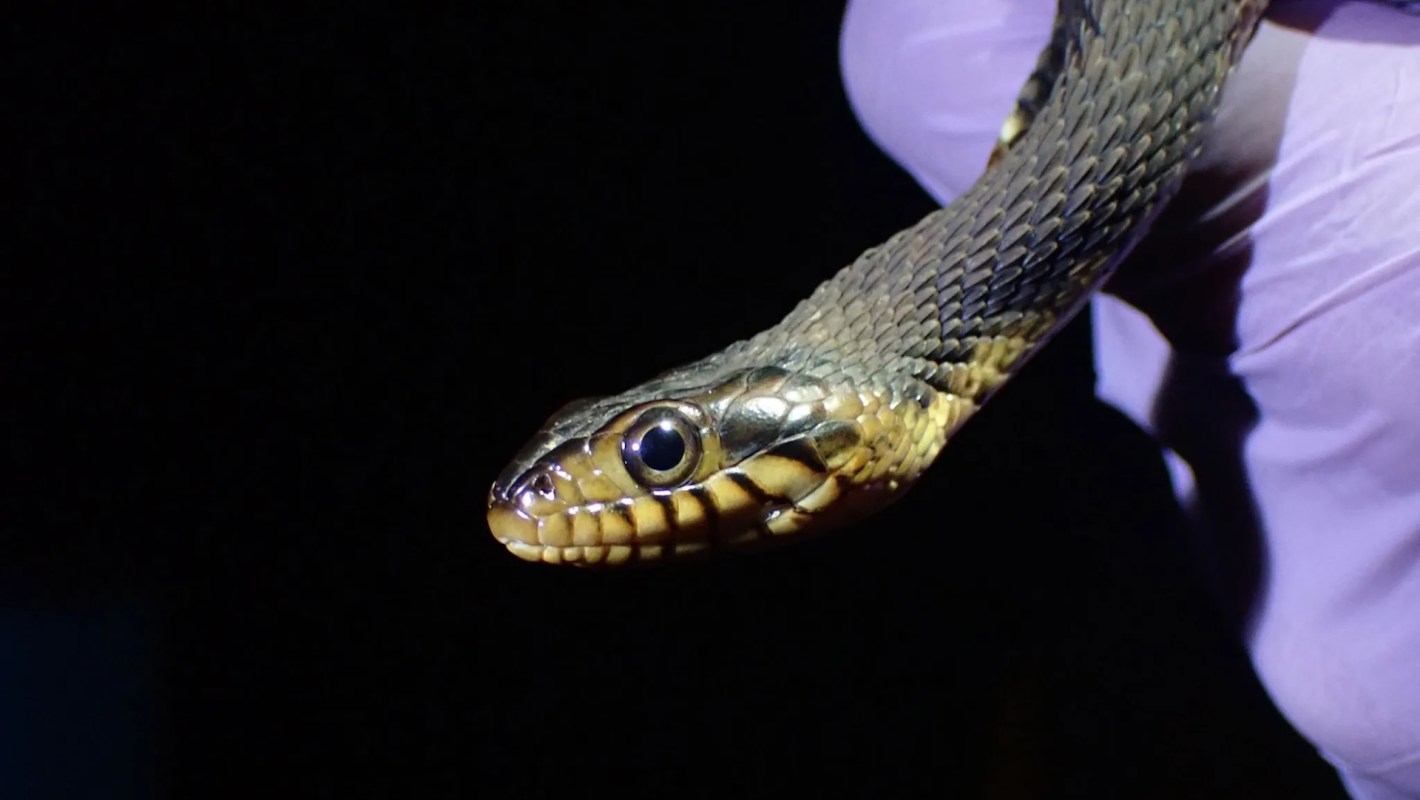
Wild snakes across the Southeast are facing a growing threat from a troubling mix of fungal, parasitic, and bacterial illnesses, a situation that scientists warn could push some already vulnerable species closer to extinction.
In a study published in Frontiers in Veterinary Science, researchers at the University of Georgia said they swabbed and analyzed more than 500 wild snakes in Georgia, Florida, and South Carolina over four years, UGA Today reported. They screened 29 species for seven pathogens associated with skin, respiratory, and gastrointestinal diseases.
The team found that several infections were more widespread than previously understood. More than 40% of the snakes tested positive for multiple pathogens, and Salmonella appeared in more than half. The study also marked the first detection of Mycoplasma spp. in free-ranging snakes, an antibiotic-resistant bacterium that can contribute to severe respiratory illness.
Some species appear to be especially at risk. More than one in three pygmy rattlesnakes tested positive for Ophidiomyces ophidiicola, the fungus linked to snake fungal disease, which can cause lesions, deformities, malnutrition, and death. Florida snakes were also affected by snake lungworm, a parasite researchers believe may have spread through invasive Burmese pythons.
"A snake can carry a pathogen and still appear completely healthy. What matters is understanding what pushes infection into something deadly," study author Corinna Hazelrig said.
Snakes are often misunderstood, but they are a crucial part of healthy ecosystems. They help keep food webs in balance as both predators and prey, and many species help control rodents and other animals that can damage crops, spread disease, or disrupt habitats.
TCD Picks » Quince Spotlight
💡These best-sellers from Quince deliver affordable, sustainable luxury for all




When snake populations decline, that imbalance can ripple through entire communities. A weaker ecosystem is generally less resilient to other pressures, including displaced species, habitat loss, and extreme weather.
One in five reptiles worldwide is already at risk of extinction. Disease spillover to threatened native species would make recovery even harder. Public fear of venomous snakes can also complicate conservation efforts, even when those animals play an important ecological role.
"We often fear what we do not understand," said Corinna Hazelrig, corresponding author of the study, per UGA Today. "Rattlesnakes are dangerous, as are many wild animals, but it is critical for the public to be educated on their value in our ecosystems and to learn how to safely coexist."
Researchers are now working to better map where these pathogens are appearing, which species are most vulnerable, and how co-infections worsen illness. That kind of tracking can help wildlife managers identify high-risk regions and design smarter conservation strategies before local populations collapse.
The study also points to the need to look beyond the most visible threat. Non-native animals such as Burmese pythons may not just compete with native wildlife — they can also carry parasites and pathogens that spread in new environments.
As senior author Dr. Nicole Nemeth noted, according to UGA Today, "Understanding the prevalence and distribution of targeted pathogens is one piece of the puzzle toward understanding and better conserving snakes."
"Rattlesnakes deserve to live peacefully and unharmed as any animal does," Hazelrig said.

Get TCD's free newsletters for easy tips, smart advice, and a chance to earn $5,000 toward home upgrades. To see more stories like this one, change your Google preferences here.






