


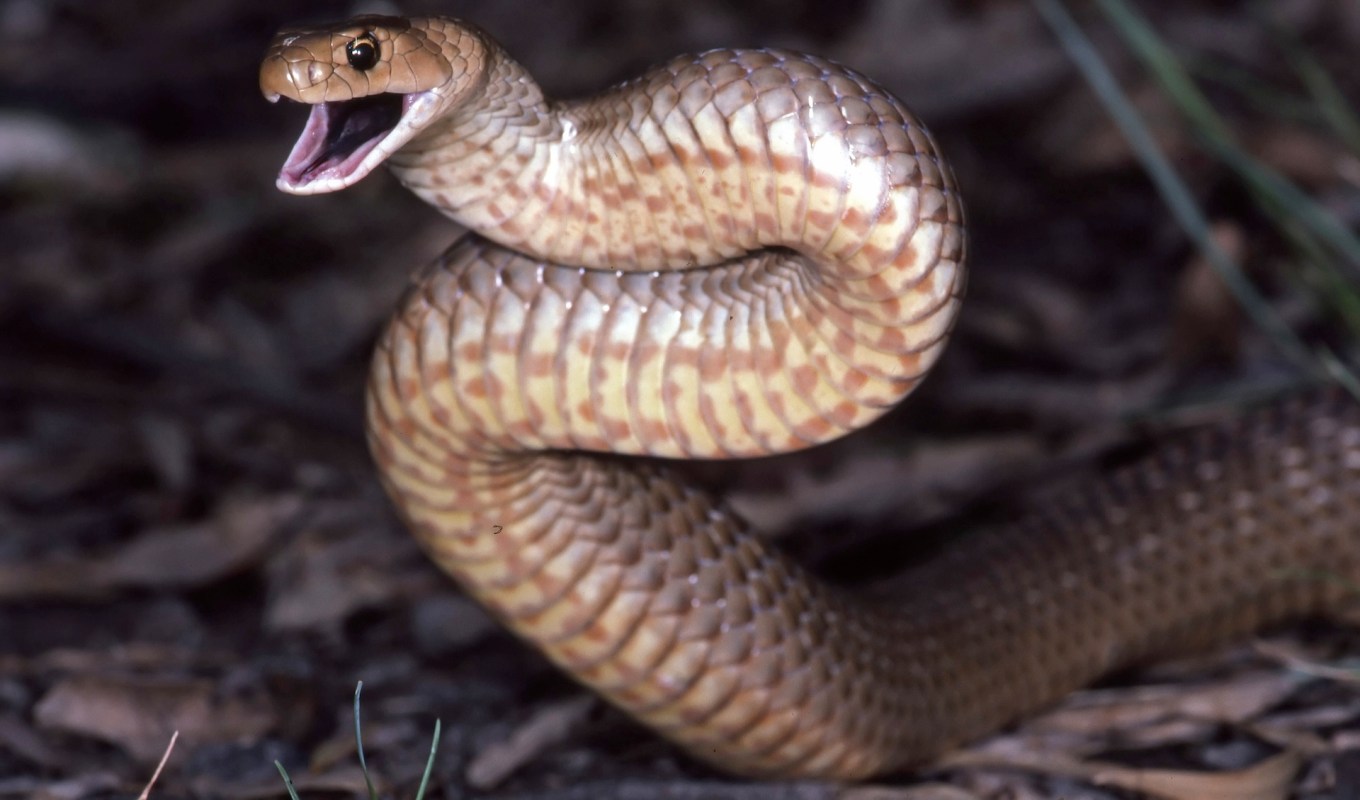
There's some disheartening news for those suffering from ophidiophobia, the fear of snakes.
As The Independent detailed, new research predicts that venomous snakes are likely to shift their habitats toward more populated regions, away from arid areas and toward coastlines.
The study, published in the journal PLOS Neglected Tropical Diseases, attributed the migration of snakes to higher latitudes to rising temperatures, which the scientists projected from a worst-case pollution scenario between 2050 and 2090.
The researchers took the habitats of over 500 venomous snakes into account for the study before predicting their movements.
The four species of greatest concern to overlap significantly with humans include the black-necked spitting cobra, the many-banded krait, the cottonmouth, and the copperhead.
Australia's east coast was a standout region for alarm, with snakes possibly migrating to higher-population areas.
TCD Picks » Quince Spotlight
💡These best-sellers from Quince deliver affordable, sustainable luxury for all




It's not just those with ophidiophobia who should be concerned. As the World Health Organization noted, snakes annually account for up to 140,000 deaths and around 400,000 amputations and disabilities among the estimated 5.4 million people who suffer bites.
The study noted that snakebite is a "neglected" tropical disease because of how little is known about where snakes reside and the scale of the problem.
By tapping into a variety of public and private databases, citizen science initiatives, museum records, and scientific literature, the study unearthed the most detailed and comprehensive outlook for venomous snakes yet.
While venomous snakes expanding their range stole the headlines, some snakes will actually suffer due to the changing conditions. The researchers aim to use all of the data to prepare a way forward.
The hope is to collaborate with community leaders and global organizations to determine effective strategies to address changes in snake populations and locations.
That can mean stockpiling antivenom, providing resources to vulnerable regions, and even focusing on conservation efforts for snake species that are under threat.
"The first step in helping victims of snakebite is to know where people and snakes interact the most so we can get support to the right places and the right people, often in remote rural communities," the scientists wrote, per The Independent.

Get TCD's free newsletters for easy tips, smart advice, and a chance to earn $5,000 toward home upgrades. To see more stories like this one, change your Google preferences here.







