


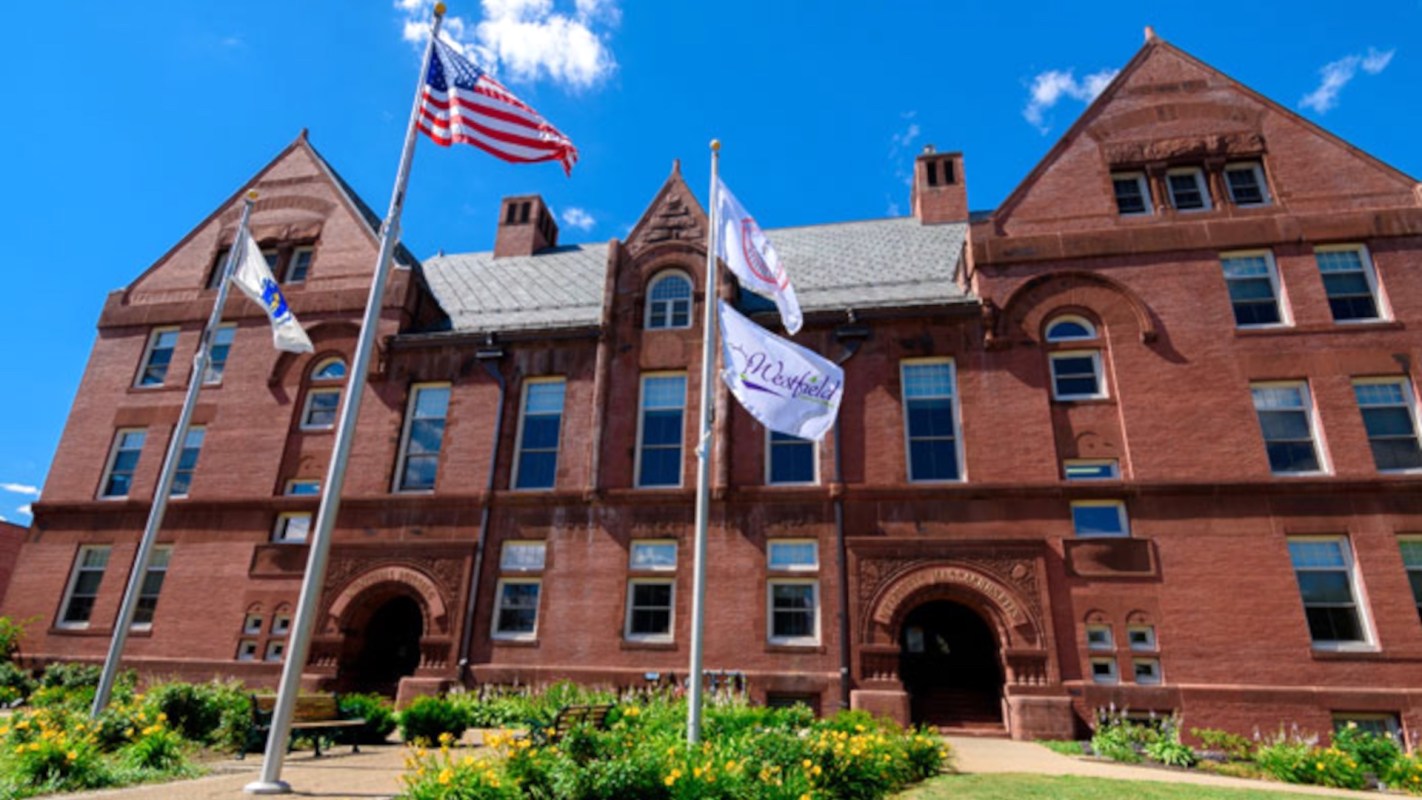
Westfield, Massachusetts, is putting future data center projects on hold after using tax breaks to attract a huge one.
City leaders supported the $4 billion plan when it emerged in 2021. Since then, though, concerns about water use, pollution, noise, and electricity demand have led to a major shift in local sentiment.
What happened?
In early July, Westfield's City Council unanimously voted for a one-year moratorium on new data centers, The Boston Globe reported. The decision marks a sharp turn from five years earlier, when the city approved a large Servistar Realties campus.
The moratorium does not undo the project that has already been approved, though critics hope it could create an opening to revisit that earlier decision.
As proposed, the campus would consist of 10 buildings. The Globe reported that it would use 274 megawatts of electricity — about enough for every home in a mid-sized city — and would become the largest data center in New England.
Former City Councilor Mary Ann Babinski, who opposes the development, told the Globe: "I will tie myself to a bulldozer if I have to, if they get ready to put a shovel into the ground."
TCD Picks » Quince Spotlight
💡These best-sellers from Quince deliver affordable, sustainable luxury for all




"For me, personally, it is about environmental and public health in the city of Westfield," City Councilor Kristen Mello, an analytical chemist who supports the moratorium, said.
Why does it matter?
What is happening in Westfield follows wider national backlash, as communities around the country weigh the possible effects of large data centers on air quality, water supplies, and utility costs.
Citing Data Center Watch, the Globe said public pressure helped kill at least 75 projects worth $130 billion in the first quarter of 2026 alone.
Artificial intelligence tools require enormous amounts of computing power, and that computing power typically depends directly on the electric grid. While AI can help improve forecasting, grid efficiency, and clean energy management, the facilities behind it can also consume vast amounts of electricity and water, while raising concerns about pollution, security, misuse, and unexpected costs for nearby residents.
In Westfield, one major concern is the Barnes Aquifer. Residents living near the site have also warned about heat, generator noise, and possible declines in property values.
"I think it's going to be bad for the environment," resident Lisa Kozik said, according to the Globe. "I think it's going to be bad for the value of our houses."
The debate shows how quickly public sentiment can shift when a project once promoted as economic development begins to look more like an environmental and quality-of-life threat.
What's being done?
Massachusetts officials are beginning to respond to those concerns.
The Globe reported that Lowell and Holyoke have imposed pauses on data center development, while Everett and Mansfield have set limits on the size of those projects.
Governor Maura Healey has said data centers will face stricter conditions before qualifying for tax breaks. Those rules would limit air and noise pollution, reduce water use, and require proof that local electric rates would not increase.
Servistar Realties co-owner Paul Corey has argued that the Westfield proposal can meet those standards. He said the campus would use a "closed-loop" cooling system and natural gas generators, while local utility officials said the developer would pay for the needed infrastructure.
Thomas Flaherty, general manager of Westfield Gas & Electric, told the Globe, "Everything would be paid for by the developer, but then owned by us."

Get TCD's free newsletters for easy tips, smart advice, and a chance to earn $5,000 toward home upgrades. To see more stories like this one, change your Google preferences here.






