


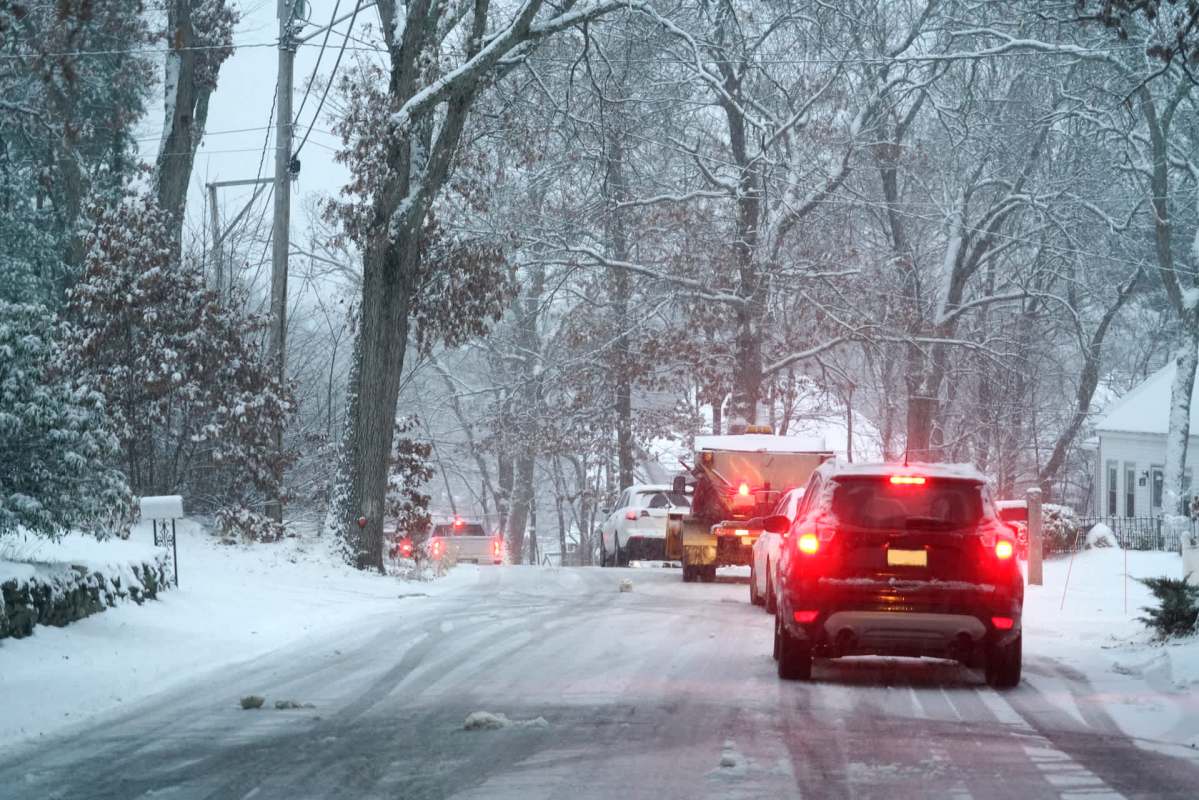
Amid a chilly winter, it's tempting to dismiss the effects of the changing climate. But one expert explained how one doesn't negate the other.
In a video shared by AAP FactCheck (@aapfactcheck) on TikTok, Susie Dodds of the Australian Associated Press detailed why folks in the Land Down Under may have been uncomfortably cold in July.
@aapfactcheck Ever caught yourself on a freezing cold day wondering "if climate change is real, then why is it so cold?" Just remember that weather ≠ climate. Weather is short-term atmospheric conditions (like a cold, rainy day), while climate refers to long-term patterns over decades. Susie Dodds explains. #climatechange #globalwarming ♬ original sound - AAP FactCheck
First, the middle months of the year are winter in the Southern Hemisphere. She also said Australian homes are notoriously poorly insulated, citing half a dozen articles about the issue. Dodds then detailed the crux of the issue.
"A cold snap in July doesn't suddenly erase decades of evidence supporting the reality of global warming," she said. "And while you're rugged up wearing three jumpers indoors, parts of the Northern Hemisphere are experiencing record-breaking heat waves. And that's exactly what scientists have been warning us about."
The consequences are myriad, including health problems, disease spread, and rising sea levels.
"Weather does not equal climate," Dodds added, explaining that the former describes daily conditions, such as wind, rain, and low temperatures. The latter describes a "long-term pattern over decades," and this has been changing outside of what would have been normal since 1850, or after the Industrial Revolution.
Things have gotten particularly perilous over the last four-plus decades, with temperatures climbing 0.4 degrees Fahrenheit per decade, according to the National Oceanic and Atmospheric Administration.
Scientists have proved that rising global temperatures are caused by humans' use of dirty energy sources, which causes the release of heat-trapping gases into the atmosphere. They envelop Earth like an invisible blanket, preventing the sun's warmth from escaping into space just enough to make a significant difference; 90% of this excess energy is absorbed by the ocean, making hurricanes and other extreme weather events more severe.
Droughts, floods, heat waves, and more are also happening more frequently. This is causing weather whiplash, one of the clearest signs that planetary systems are out of balance. As Dodds said, the changing climate results in not just hotter weather but also "more extreme, unpredictable, and chaotic weather."
"So, next time someone says, 'So much for global warming!' after one frosty morning, you can remind them that they're confusing short-term weather in one area with a long-term global crisis," she concluded.
TCD Picks » Quince Spotlight
💡These best-sellers from Quince deliver affordable, sustainable luxury for all




|
Do you worry about the quality of the air inside your home?
Click your choice to see results and speak your mind. |
 Yes — often 😬
 This kind of education is perhaps the most important part of understanding rising global temperatures and their impacts. You can help by spreading the word among family and friends and take simple actions such as reducing your energy usage.
"Weather is it's raining today. Climate is the reservoir is still half empty," one commenter said.

Join our free newsletter for weekly updates on the latest innovations improving our lives and shaping our future, and don't miss this cool list of easy ways to help yourself while helping the planet.
Cool Picks





