


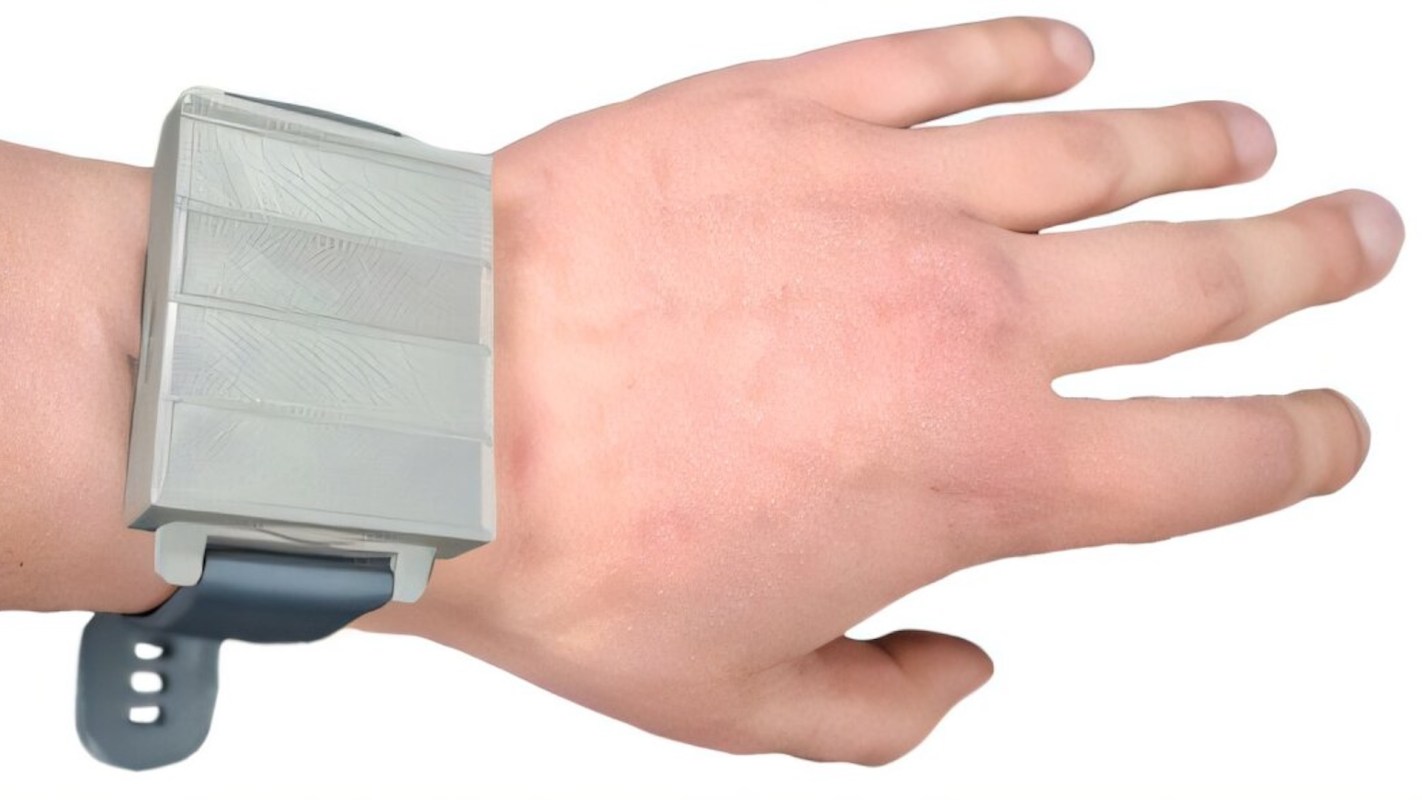
Researchers from Estonia are shining a light on our microplastic-saturated world with health-preserving, wearable detectors.
Their vision is to create smart, wearable tech — watches, rings, and bands — that can measure how much of the tiny plastic pieces are within human bodies.
So far, prototypes of the concept have detected microplastics beneath artificial skin by using small spectrometers to reflect light at different wavelengths off them.
The devices measure microplastic content by how the beams bounce back, according to a news release from the Estonian Research Council published by EurekAlert.
Microplastics, which slough off larger pieces as they slowly degrade over centuries, are widely reported to be in Earth's soil, waters, and throughout human bodies. The health impact is still being studied, but experts at Stanford Medicine reported that inflammation and organ damage are concerns.
"That's why we want to measure the microplastic particles in [humans], so we can understand better how much plastic our bodies actually contain, and in the future guide interventions or policies to reduce our exposure," Kevin Post, a junior research fellow at the University of Tartu, said in the release.
More than 12 million tons of plastic pollution end up in lakes, rivers, and oceans annually, where it slowly breaks down into nanoparticles that harm the environment, according to the United Nations.
As a result, researchers are developing filters to collect microplastics and even foods that can help capture them from our bodies.
If successfully developed, the Estonian sensor could become an identification solution that's less expensive and accessible to more people.
"We are looking for a way to 'see inside' without drawing blood," Post said in the report. "That is exactly what led us to using light sensors."
TCD Picks » Quince Spotlight
💡These best-sellers from Quince deliver affordable, sustainable luxury for all




|
Which of these savings plans for rooftop solar panels would be most appealing for you?
Click your choice to see results and earn rewards to spend on home upgrades. |
 Save $1,000 this year 💸
 The experts added that light sensors have already been used to detect microplastics in soil and water.
"It works because different plastics reflect and absorb light in unique ways, they are like optical patterns that sensors can actually recognize," Post said. "We're bringing that same idea into the human body using wearables."
Wearable tech is taking unique twists in other research areas as well. Experts are creating body-heat-powered batteries that can energize small devices, for example.
On the plastic front, reusing items we already have is one of the best ways to avoid adding to the massive pollution burden.
The Estonian experts are showing that prevention can happen on the nanoscale.
"There is still a long way to go to make our vision a reality, but already these results demonstrate the potential of wearable spectrometry," Post said.

Get TCD's free newsletters for easy tips to save more, waste less, and make smarter choices — and earn up to $5,000 toward clean upgrades in TCD's exclusive Rewards Club.
Cool Picks





