


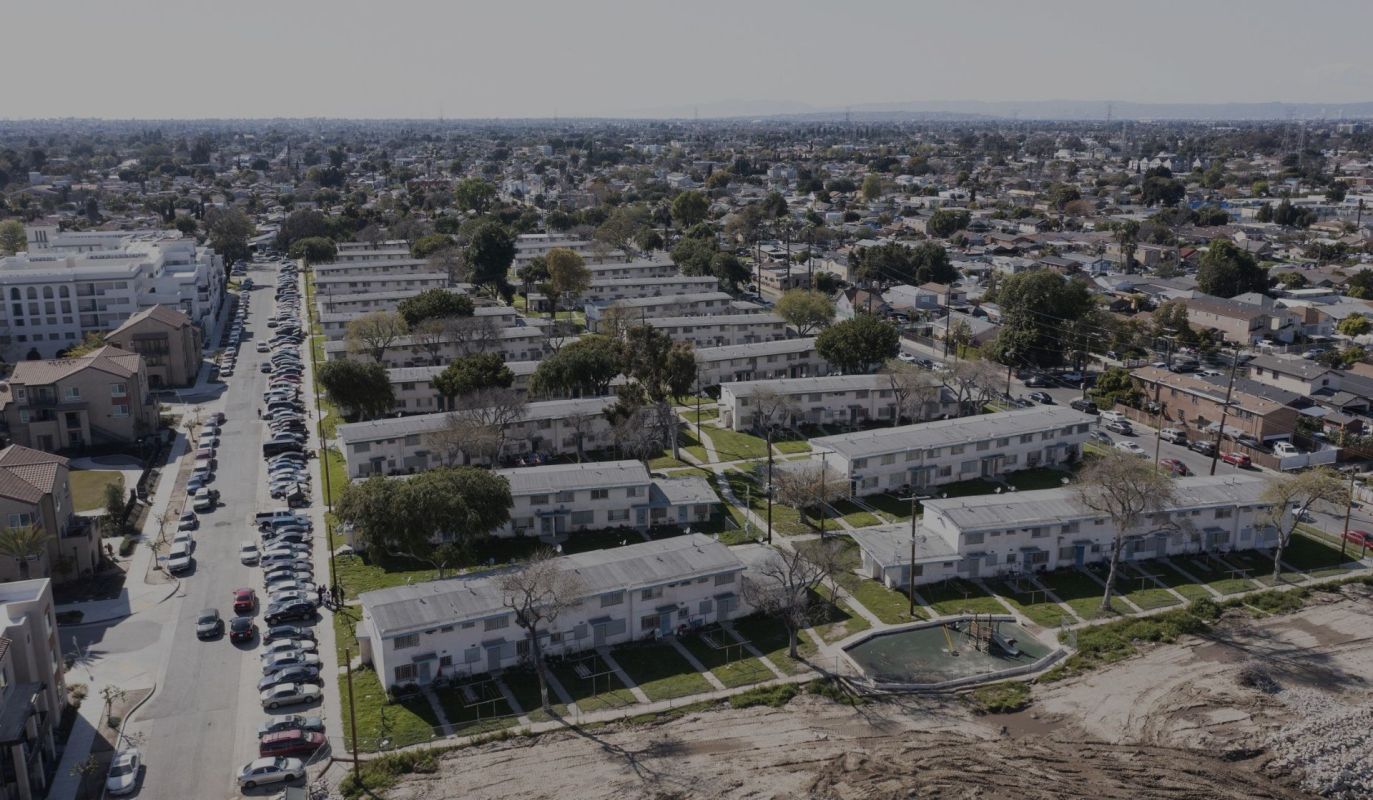
Comparisons to Flint, Michigan, are not made lightly. But, as Medical Daily reported, that was the immediate reference point after lead was detected in tap water samples from public housing in Watts, a neighborhood in Los Angeles.
The discovery prompted officials to demand answers, and has quickly added new pressure on the agencies responsible for keeping drinking water safe in one of the nation's largest cities.
What happened?
In a 10-0 vote, the Los Angeles City Council called for a prompt investigation of LADWP and the city's Housing Authority after elevated lead levels were found in drinking water samples from Watts.
The findings are especially troubling in Watts, a historically underserved neighborhood where residents have long voiced concerns about environmental health risks, per Medical Daily. Officials now suspect old plumbing, including lead service lines and lead solder, may be contributing to the problem.
The concern may not stop with lead. An Environmental Working Group review of LADWP's 2026 water data found other contaminants in the city's supply above the group's health targets, even though they still fall within federal limits.
Those contaminants include chromium-6, a chemical linked to cancer risks, and PFAS, or forever chemicals, associated with kidney cancer, thyroid problems, weakened immunity, and developmental harm in children.
TCD Picks » Quince Spotlight
💡These best-sellers from Quince deliver affordable, sustainable luxury for all




Why does it matter?
Lead exposure is especially dangerous for young children and pregnant women. Even low levels have been associated with irreversible developmental harm, including reduced IQ, learning difficulties, and behavior problems, per the Centers for Disease Control and Prevention.
For many families, tap water is used for drinking, cooking, and mixing baby formula, so contamination can disrupt daily routines in ways that are hard to avoid without money for bottled water or specialized filtration.
Communities with older housing and fewer financial resources often have the least flexibility to protect themselves, even as they face the greatest exposure.
The gap between what is legally allowed and what health experts consider safest remains central. Water can meet EPA standards and still contain contaminants at levels that some researchers and advocacy groups say are concerning over time.
What's being done?
The City Council's vote is the most immediate response and could lead to broader scrutiny of aging infrastructure across Los Angeles. Investigations alone are unlikely to resolve the short-term risks residents are worried about right now.
Public health agencies recommend that households concerned about lead use only cold tap water for drinking and cooking because hot water can leach more lead from pipes. Residents are also advised to run the taps for 30 seconds to two minutes after the water has been sitting.
Common pitcher filters do not reliably remove lead and are ineffective against chromium-6, Medical Daily noted. For lead, residents should look for NSF Standard 53-certified filters. For chromium-6, reverse osmosis or anion exchange systems are better options.
People in higher-risk households, especially children under 6 and pregnant women, can also seek blood lead testing. Residents may also request a free lead-in-water test kit from the Los Angeles County Department of Public Health.
As Medical Daily wrote, residents in affected communities have heard promises that their concerns would be addressed "eventually" for far too long. After this vote, they may get some real answers and action.

Get TCD's free newsletters for easy tips, smart advice, and a chance to earn $5,000 toward home upgrades. To see more stories like this one, change your Google preferences here.






