


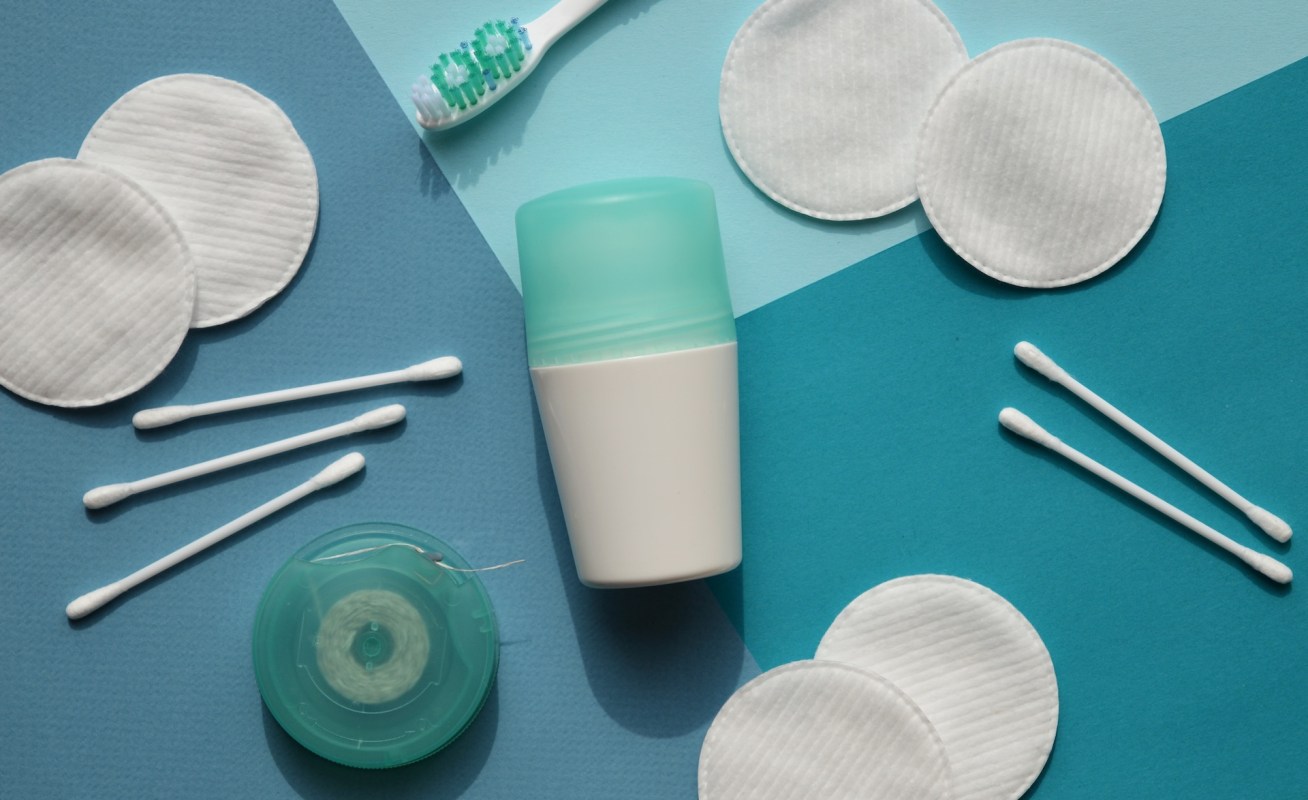
Pennsylvania is moving closer to restricting "forever chemicals" in products many people use without a second thought, from tampons and dental floss to cosmetics and children's items.
If the proposal becomes law, it could help reduce everyday exposure to substances linked to serious health risks.
A Pennsylvania House Consumer Protection Committee unanimously approved House Bill 2145 last month, according to the Pittsburgh Post-Gazette. The decision advanced legislation that would ban PFAS — perfluoroalkyl and polyfluoroalkyl substances — a group of highly toxic chemicals, in a range of household products. The bill now heads to the full House for a vote.
Introduced in January by state Rep. Greg Scott, the measure has bipartisan support and would put Pennsylvania alongside states such as California and Vermont, which have already moved to limit these chemicals in consumer goods.
PFAS are often used to make products resistant to water, grease, oil, and stains. Safer States said at least 31 states are expected to consider PFAS-related policies this year.
Scott framed the bill as a public health issue, saying the targeted products are used regularly and often intimately, and that reducing PFAS in these items could lower repeated exposure for families across the state over time.
TCD Picks » Quince Spotlight
💡These best-sellers from Quince deliver affordable, sustainable luxury for all




PFAS are commonly called "forever chemicals" because they do not easily break down in the environment. Researchers say they can move through air, water, soil, and the food chain, making contamination difficult to contain once it begins, according to the Post-Gazette.
Research has linked PFAS exposure to immune and thyroid changes, liver and kidney disease, reproductive and developmental effects, metabolic disruption, and cancer.
Scientists say exposure is widespread. Erica Wood, an environmental health scientist at Research Triangle International, said PFAS are found in the blood of many people in the U.S., though levels vary by location and circumstance.
Some groups face higher risks than others. Pregnant women and children can be especially vulnerable to chemical exposure, and children may be particularly susceptible because they drink more water relative to their body weight and frequently put objects in their mouths. People who live near or work around PFAS manufacturing and processing sites may also face higher exposure.
Pennsylvania's bill is part of a broader state-level push to limit PFAS in common products before exposure occurs. Rather than focusing only on cleanup after contamination, the policy aims to keep these chemicals out of everyday items in the first place.
If fewer products on store shelves contain PFAS, it may be easier for shoppers to avoid chemicals linked to health concerns, especially in items used by children or applied directly to the body. Better prevention could also reduce the health and environmental costs tied to contamination.
Experts say PFAS regulation is not simple. The Post-Gazette reported that Aimin Chen, a professor of epidemiology at the University of Pennsylvania's School of Medicine, said PFAS refers to thousands of chemicals that do not all behave the same way. He also said measuring them precisely remains a challenge, which complicates both research and policymaking.
Policies like this one can reduce routine exposure while the science and regulation continue to evolve. PFAS-free versions of frequently used products, especially personal care and children's products, can limit exposure, too.
"These are products that people use every day, and every time a person uses these products, they're being exposed to PFAS and the significant health risks PFAS carry," Scott said. "We can't say we're taking the health of our residents seriously if we continue to allow such toxic materials to be used in manufacturing these types of products."

Get TCD's free newsletters for easy tips, smart advice, and a chance to earn $5,000 toward home upgrades. To see more stories like this one, change your Google preferences here.






