


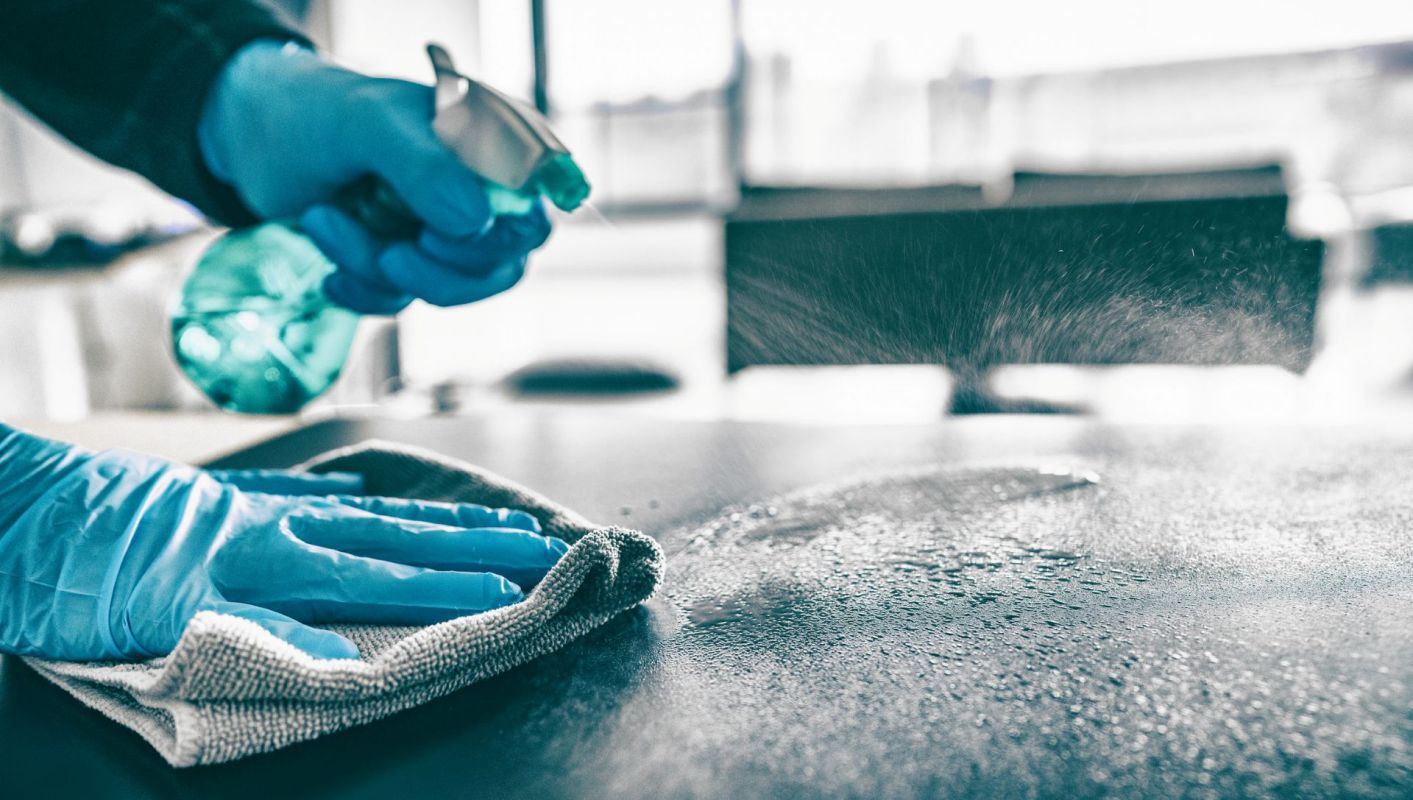
A reproductive mystery in lab mice has led scientists to focus on quaternary ammonium compounds, a widely used group of disinfectant chemicals, as a possible factor in fertility problems.
That research is intensifying concerns about ingredients that are routine in many everyday cleaning products, CNN reported.
What happened?
Products such as hand sanitizers, disinfectant sprays and wipes, baby wipes, air fresheners, laundry items, and some personal care products often contain quaternary ammonium compounds, or QACs.
Patricia Hunt, a Washington State University regents professor in molecular biosciences, identified a link between those chemicals and major reproductive problems in her lab mice.
In Hunt's mice, researchers saw pregnancies fail, and fetuses developed severe abnormalities, including facial deformities and missing hindquarters.
Terry Hrubec, an anatomy and embryology professor at the Edward Via College of Osteopathic Medicine, later found similar defects in her own mice, including neural tube abnormalities resembling spina bifida and anencephaly.
TCD Picks » Quince Spotlight
💡These best-sellers from Quince deliver affordable, sustainable luxury for all




Hunt said QACs can be found in human blood and argued that mouse research suggests they may be contributing to infertility.
"We now know QACs can be detected in human blood. There's also a growing infertility problem, and based on studies in mice, I would expect that QACs are contributing," Hunt stated.
Why does it matter?
Potential exposure to QACs is widespread because they are used in homes, schools, daycare centers, hospitals, gyms, offices, and nursing homes.
In many of those places, people may assume that more disinfection automatically means more safety.
Researchers say the concern is not limited to one mouse experiment.
Pilot studies have found QACs in blood serum, breast milk, urine, and feces, and other animal and lab studies have associated the chemicals with inflammation, asthma, chronic lung disease, hormone disruption, and possible damage to mitochondria and the developing brain.
CNN cited a small study that found QAC concentrations in household dust increased 62% during the COVID-19 pandemic, while blood levels rose 77% over a year.
What can I do?
Experts say disinfectants should be used more selectively, and that plain soap and water should be used when they are sufficient.
Amina Salamova, an assistant professor of environmental health at Emory University's Rollins School of Public Health, explained that advice.
"Our message is not to stop cleaning or disinfecting. Our message is to understand when you can just clean versus when you actually need to disinfect," Salamova said.
Rebecca Fuoco, the Green Science Policy Institute's director of science communications, said consumers can look for label terms such as "antibacterial," "antimicrobial," "disinfecting," "sanitizing," or "germ-killing."
She also said that claims like "odor control," "lasting protection," or promises that surfaces "stay cleaner longer" can indicate added antimicrobials.
If disinfection is necessary, Hunt and other experts recommended options such as citric acid, hydrogen peroxide, and ethyl alcohol.
Hrubec also said cleaning should come first: "Using a disinfectant without first cleaning isn't effective at all."
"These QACs are fantastic because they kill everything, but that doesn't make them safe for people to use," Hunt said.
"I just don't think we should be coming in contact with these chemicals."

Get TCD's free newsletters for easy tips, smart advice, and a chance to earn $5,000 toward home upgrades. To see more stories like this one, change your Google preferences here.






