


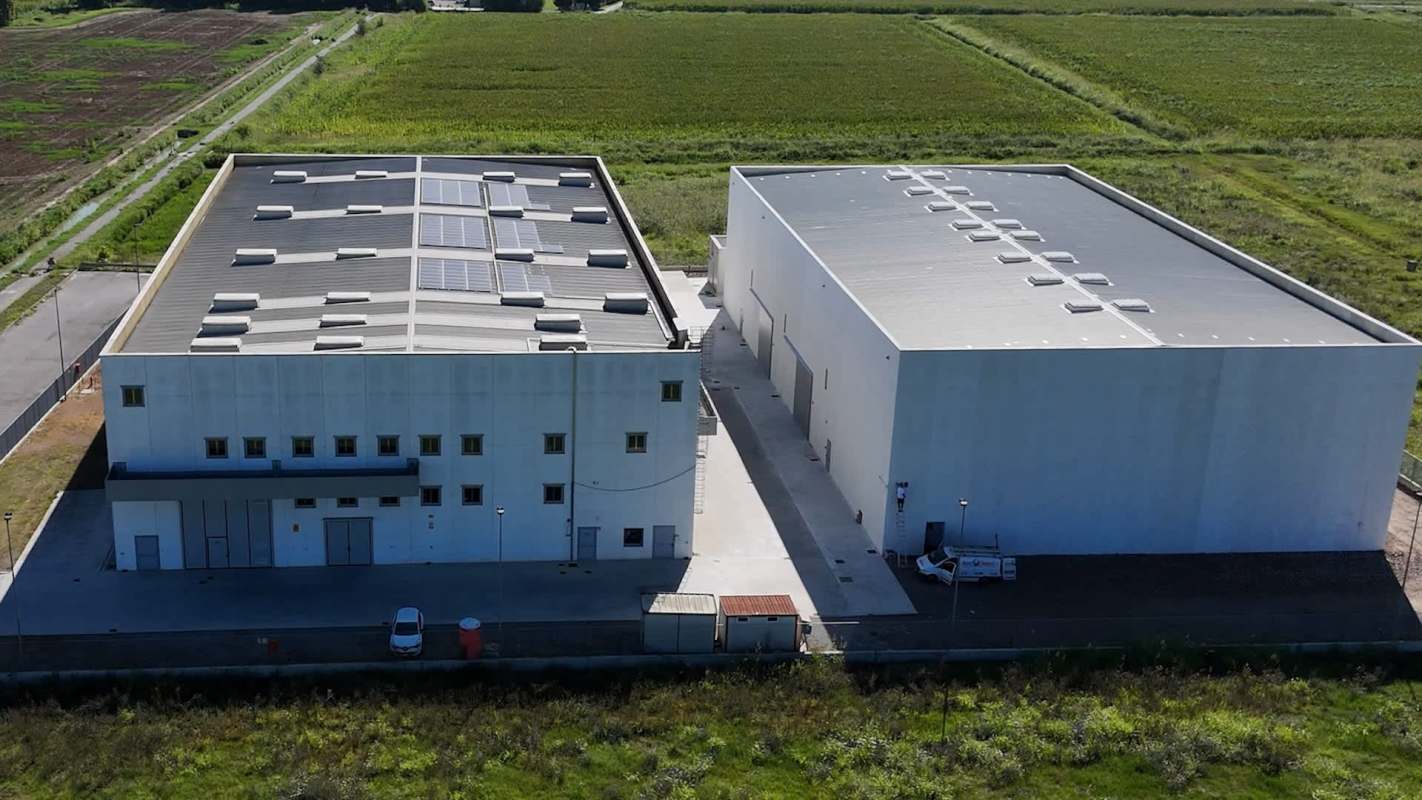
Virginia's fast-growing data center industry is hitting a notable roadblock: the electric system cannot deliver new power as quickly as many projects want.
Because a grid hookup can take years, some developers are looking at generating electricity on-site instead so that construction and operations can begin sooner.
That approach could reduce the wait for utility service, but it's also drawing strong objections over pollution, noise, and whether Virginia can remain on course to meet its clean-energy goals.
What's happening?
According to Virginia Mercury, Dominion Energy — which is Virginia's biggest utility — has roughly 70 gigawatts of projects that cannot be connected until more generation is available. Right now, the company can add only about 10 large-load customers in a given year.
For data centers, that bottleneck has meant an average wait of seven years to get service. To get around those delays, developers are increasingly proposing "behind the meter" power systems built at the data center site, often centered on natural gas turbines.
Because these systems are usually owned by the data center and built only for that facility, they may not face the same requirements as utility generation. As Virginia Mercury reported, they generally are not covered by the Virginia Clean Economy Act's requirement that utilities phase out carbon-emitting generation by 2050, and they may also avoid the state review that utility projects must undergo when they're intended to serve the public.
TCD Picks » Quince Spotlight
💡These best-sellers from Quince deliver affordable, sustainable luxury for all




Why does this matter?
The strongest immediate pushback has come from nearby communities. Residents have already packed public meetings around the state to object to proposed data center campuses, especially when those plans include on-site gas turbines or heavy reliance on diesel backup generators.
In Strasburg, resident Kaylee Tanner raised a question shared by many locals.
"What kind of pollution is that putting into the air?" she asked, per the Mercury.
Those concerns are rooted in well-documented health and environmental risks. Coal and natural gas power plants contribute to air and water pollution linked to asthma, heart disease, cancer, and premature death, according to the Union of Concerned Scientists and the Piedmont Environmental Council. They can also keep energy costs high for households that remain dependent on fuels prone to price spikes rather than energy sources such as sunlight and wind.
Critics have also argued that industry lobbying can delay cleaner, cheaper energy solutions that would better protect families and lower monthly bills.
What's being done?
State lawmakers have spent months debating how to limit the environmental impact of Virginia's rapidly expanding data center sector.
However, stricter requirements did not make it into the final budget language, as the Virginia Mercury reported. Legislators did approve a new industry tax expected to raise $1.2 billion over the two-year budget schedule, and a task force will study possible new regulations.
Governor Abigail Spanberger has backed keeping the industry's tax exemption in place to protect the state's business reputation, but she has also urged data centers to prioritize cleaner energy technologies before turning to more polluting options.
"Virginia is really unique (in) the level of pull and the level of levers that we have, in being a leader in driving an entire industry in a particular direction," Spanberger said.

Get TCD's free newsletters for easy tips, smart advice, and a chance to earn $5,000 toward home upgrades. To see more stories like this one, change your Google preferences here.






