


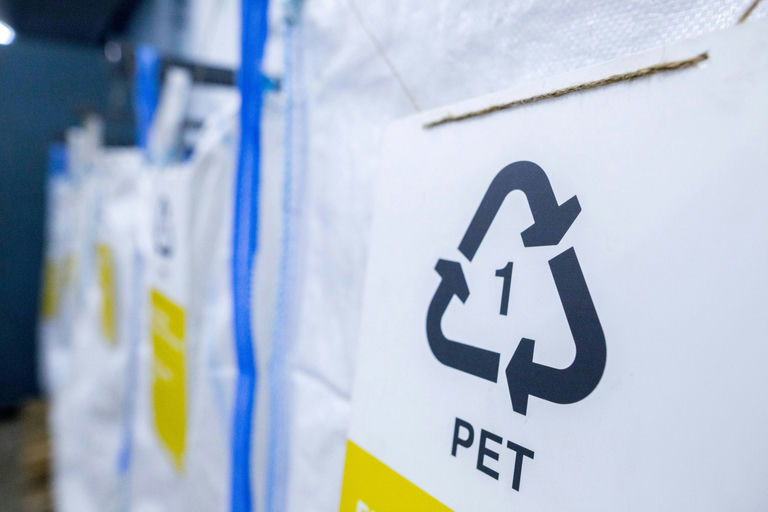
The Department of Energy's National Renewable Energy Laboratory is working with Birch Biosciences to recycle PET from plastic packages, according to Plastics Today.
PET is polyethylene terephthalate, a strong, clear, lightweight plastic. It is used for beverage bottles and food packaging. The Oregon-based company uses artificial intelligence to power enzymatic plastic recycling. With the support of NREL, it will commercialize cutting-edge technology that rapidly recovers chemical building blocks from PET-based packaging and textiles.
As a result, manufacturers will have virgin-quality PET for 100% recycled products.
According to Recycling Today, AI-guided robots provide accurate sorting, identifying, and capturing of plastics from other items in recycling facilities. Birch Biosciences takes plastic reuse to another level by creating a closed-loop solution.
"This licensing agreement represents a significant step forward in our mission to enable a circular plastic economy using biological solutions," Johan Kers, Birch Biosciences co-founder and CEO, told Plastics Today.
Creating systems for more efficient plastic recycling is an important part of cleaning up and cooling down the planet. After all, it's an understatement to say Earth is overflowing with trash, particularly plastic, which takes as long as 500 years to break down, per WWF.
The Great Pacific Garbage Patch — one of the worst examples of extreme ocean pollution — is a collection of mostly plastic debris floating between Hawai'i and California. Discarded plastics break down into much smaller microplastics and are present throughout oceans and other waterways.
Sadly, marine life has often choked on or become entangled in plastic trash. According to NOAA, these tiny plastics may never fully go away. However, Birch's collaboration with the DOE shows how people, companies, and organizations can reduce plastic waste in the environment. In another example, Texas A&M University researchers are creating biodegradable plastics from discarded soldier fly carcasses.
These advancements can make life better by creating cleaner drinking water and preserving fishing and recreational economies. Regarding climate health, less plastic breaking down reduces emissions linked to rising heat and related harsh weather patterns that risk human life.
Anyone can do their part to protect the planet by checking out this guide for choosing plastic-free options and supporting brands with plastic-free packaging.
TCD Picks » Quince Spotlight
💡These best-sellers from Quince deliver affordable, sustainable luxury for all




|
Which of these factors would most effectively motivate you to recycle old clothes and electronics?
Click your choice to see results and speak your mind. |
 Giving me money back 💰
Join our free newsletter for weekly updates on the latest innovations improving our lives and shaping our future, and don't miss this cool list of easy ways to help yourself while helping the planet.
Cool Picks





