


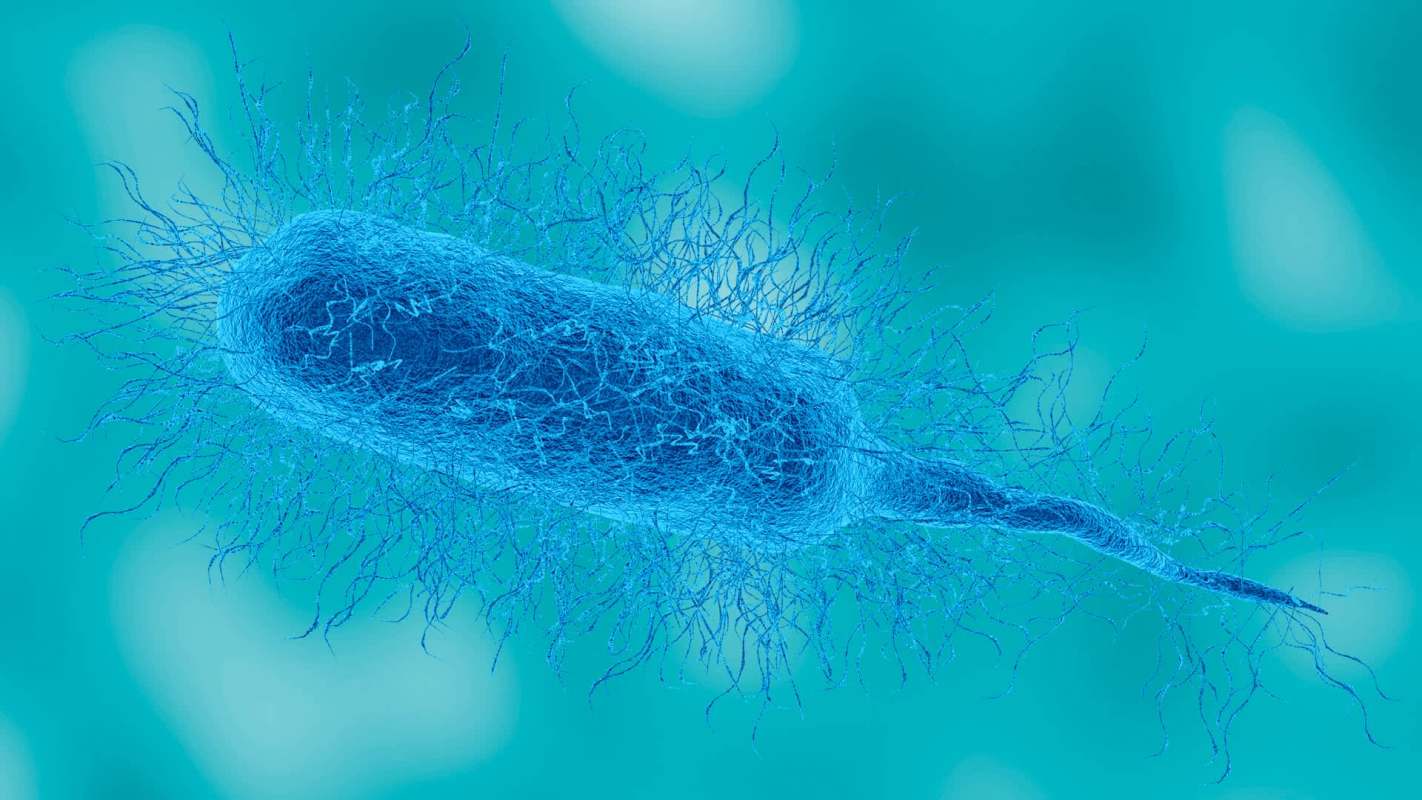
Maryland is seeing a steep climb in vibriosis, an infection caused by naturally occurring bacteria that can spread through contaminated seafood or when open skin is exposed to water.
The uptick is drawing renewed attention at the height of swimming, crabbing, and seafood season, when more people encounter warm brackish water.
What's happening?
According to the Maryland Department of Health, Maryland logged 260 cases of vibriosis in 2025, up from 100 in 2018. By late June of this year, 72 cases had already been logged, The Baltimore Sun reported.
These bacteria are naturally present in coastal and estuarine waters, and warmer weather can help them grow more quickly. In some cases, eating raw or undercooked shellfish leads to milder symptoms such as diarrhea, vomiting, or fever.
When the bacteria enter through a cut or scrape, however, the infection can be much more severe.
Some of the most frightening cases are associated with "flesh-eating" infections, although that label can oversimplify a broader health concern. Officials are monitoring a wider increase in illnesses tied to both seafood consumption and water exposure.
TCD Picks » Quince Spotlight
💡These best-sellers from Quince deliver affordable, sustainable luxury for all




Summer brings swimmers, anglers, boaters, crabbers, and seafood lovers to the Chesapeake, creating more chances for contact just as conditions become more favorable for the bacteria.
Why does it matter?
For people with an open wound or an underlying health condition, a beach trip, time on the water, or a plate of raw oysters may come with added risk.
People with weakened immune systems, liver disease, diabetes, or other chronic conditions are more likely to face severe complications from vibriosis. In those situations, the illness can escalate quickly, making prompt treatment especially important.
The growing case count also shows how environmental changes can affect ordinary summer activities. As bay waters remain warmer for longer, bacteria that may once have appeared less often can become a more regular part of the region's seasonal health risks.
What's being done?
Maryland health officials are continuing to track cases and watch for trends so hospitals, local agencies, and residents can respond faster when infections increase. That surveillance is a key way to tell whether a seasonal problem is becoming a more lasting pattern.
People should avoid exposing open wounds, fresh tattoos, or healing piercings to brackish or salt water. If a cut does come into contact with the water, wash it thoroughly and monitor it for redness, swelling, or pain.
Thoroughly cooking shellfish lowers the risk of infection, and people with higher medical risk may want to skip raw oysters entirely. If symptoms develop after water exposure or seafood consumption, getting medical care quickly can make a major difference.

Get TCD's free newsletters for easy tips, smart advice, and a chance to earn $5,000 toward home upgrades. To see more stories like this one, change your Google preferences here.






