


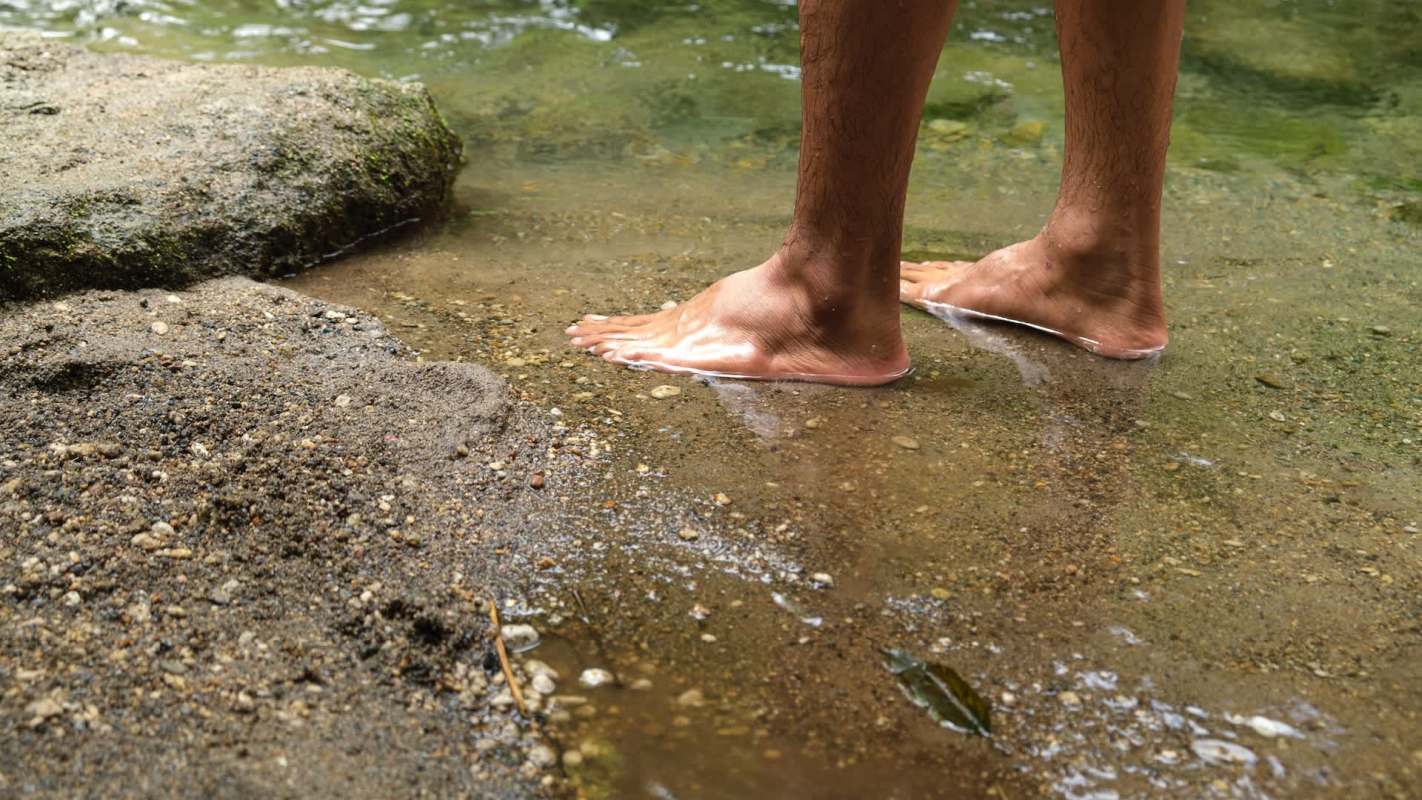
An Alabama teenager needed emergency medical care after a cut on his foot came into contact with creek water during a tubing outing in Florida.
According to his family, the wound seemed minor at first but nearly led to 16-year-old Damonte Capps losing his foot, as WEAR News reported.
What happened?
The station said the injury happened while Capps was tubing with friends at Coldwater Creek near Milton, Florida. WEAR News said a stick pierced the area between two of his toes, and he pulled it out, rinsed the cut in the creek, and continued the trip.
His grandmother, Stephanie Manasco, said there was little at first to suggest the cut would become serious.
"He took it out and bled a little, and I guess boys being boys, he just washed it off in the creek water and kept tubing," Manasco told the station.
Within three days, though, his foot became severely swollen and the pain grew intense, WEAR News recounted. Doctors first suspected vibrio and treated the wound surgically.
TCD Picks » Quince Spotlight
💡These best-sellers from Quince deliver affordable, sustainable luxury for all




However, the station revealed that testing done after the operation later showed the cause was a kind of bacteria called Edwardsiella. The Canadian Journal of Infectious Diseases and Medical Microbiology has described Edwardsiella as "a rare but fatal water and foodborne infection."
Manasco told WEAR News the finding surprised both the family and the doctors involved in his care.
"No doctor that we dealt with had ever heard of it," she relayed to the station.
Why does it matter?
Natural waterways can carry bacteria that pose a greater risk when someone has an open wound, especially if treatment is delayed.
"Whether it's fresh water or brackish water or even the ocean itself, if you're a high-risk person, I would keep away from it, if you have like a wound," infectious disease physician Edin Pujagic, D.O., said to WEAR News.
Ironically, previous comments by Capps to the station in June indicate the teen was wary of bacteria like Vibrio.
"They should be able to let the people know that it's high because if it's high, nobody wants to get sick," he declared to WEAR News at the time.
According to the station, his wound will remain open for another three to four weeks while it heals, but Manasco said he is expected to make a full recovery.
What can I do?
Puncture wounds after time in a creek, river, lake, or coastal water should not be ignored. Even if the bleeding seems minor, clean wounds with safe water, monitor them closely, and have a medical professional check them if symptoms worsen.
It is also wise to avoid entering natural water with an existing cut, scrape, or healing wound. Protective water shoes can help reduce the risk of injuries from sharp sticks, shells, or debris, though they cannot eliminate exposure entirely.
Swelling or intense pain that appears days later can signal a worsening bacterial infection, and early treatment may help prevent more serious damage.
In Capps' case, his family said quick intervention ultimately helped save his foot.
"If you have a cut, if you cut yourself while you're there, just don't get back in the water until it heals up," Manasco advised, per WEAR News.

Get TCD's free newsletters for easy tips, smart advice, and a chance to earn $5,000 toward home upgrades. To see more stories like this one, change your Google preferences here.






