


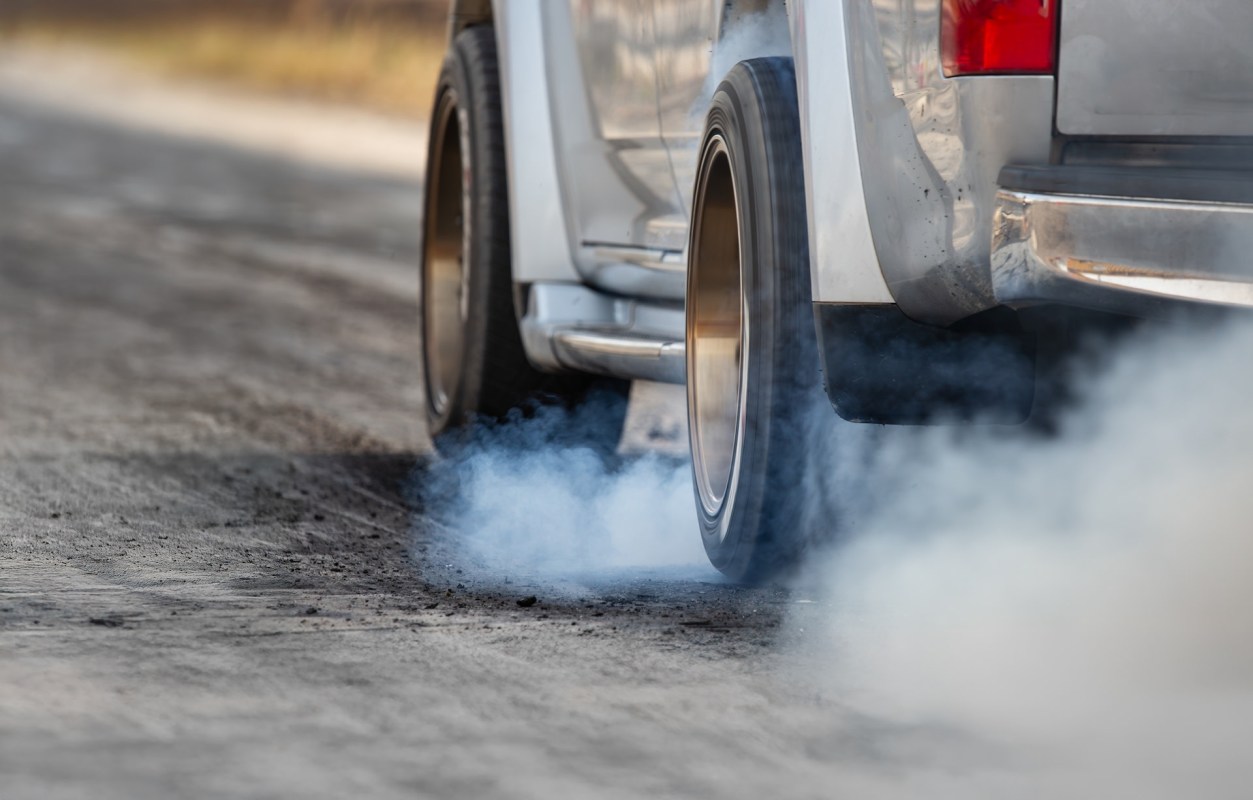
If you live in a busy city, you may be breathing in more than just vehicle exhaust fumes.
A study has uncovered a surprising health threat hidden in plain sight — harmful metal particles released from brake pads.
Researchers from National Taiwan University and their colleagues reported that brake dust may be releasing more toxins than previously understood, posing significant risks to human health, especially in high-traffic areas.
What's happening?
The research team, led by Ta-Chih Hsiao with Yi-Pin Lin and Wen-Che Hou, used a real-time detection system combining gas exchange technology with mass spectrometry to measure trace metals in ultrafine particles known as nanoparticles every five minutes.
The system revealed sharp spikes during rush hours, which is something traditional 24-hour sampling had missed.
The results were alarming. When brake pads are used, they emit small metal particles of elements like cobalt and nickel, which are hazardous to human health.
TCD Picks » Quince Spotlight
💡These best-sellers from Quince deliver affordable, sustainable luxury for all




"Previously, we were like watching fast-changing phenomena in slow motion," Professor Hsiao said in a university report shared by Phys.org.
Why is non-exhaust pollution concerning?
Though not as visible as exhaust fumes, earlier research published in the journal Environmental Pollution has also shown that nanoparticles can cause oxidative stress and inflammation in the lungs.
The new research added to growing concerns about non-tailpipe harmful pollution being a major source of pollution. It improved the precision of measuring cancer risks from these sources.
While there's also a stronger push for electric vehicles, brake dust pollution is still a concern. That's because cars — gas-powered and electric — still rely on friction brakes. As cities shift toward electrified transport, non-exhaust pollution may still be a threat.
|
Do you worry about companies drilling too deep into the ground? Click your choice to see results and speak your mind. |
 Definitely 💯
 What's being done about pollution?
While brake dust may be harder to control than tailpipe pollution, researchers are exploring solutions. Some carmakers, like Mercedes-Benz and Stellantis, have been exploring low-dust or regenerative braking systems that reduce particle release. Brake pad manufacturers are also testing alternative materials that produce fewer nanoparticles.
Cities are beginning to take note, too. London's Ultra Low Emission Zone, for example, aims to reduce all forms of vehicular pollution. As brake dust joins the growing list of invisible threats in our cities, knowing where it comes from is key to managing it.
Like Professor Hsiao said: "Even in a fully electrified future, we will still need stricter regulations on heavy metal content in brake pad materials and tire composition."

Join our free newsletter for weekly updates on the latest innovations improving our lives and shaping our future, and don't miss this cool list of easy ways to help yourself while helping the planet.






