


The U.S. Department of Agriculture dealt another blow to beleaguered farmers, announcing the abrupt end of consequential federal investments primarily affecting the Midwest, per NOTUS.
During a visit to Lebanon, Tennessee, agriculture secretary Brooke Rollins revealed new restrictions on the Rural Energy for America Program (REAP), a program "especially popular" in rural districts.
REAP supplies grants and guaranteed loans for farmers to make farms more energy efficient and affordable to run, typically through investments in renewable energy, like wind and solar.
According to FarmAid, many family farms operate on a "razor-thin" profit margin, and NOTUS indicated that one affected grant for a poultry farm would save the business $21,000 a year.
REAP is not a new program; it was first introduced in the 2003 Farm Bill, an "omnibus," recurring form of legislation aimed at appropriating agricultural funds. In an August press release, the USDA claimed federal investments in clean energy made farmland "more expensive and less available."
"Within the last 30 years, Tennessee alone has lost over 1.2 million acres of farmland and is expected to lose 2 million acres by 2027," the USDA asserted.
Although it's true that Tennessee has "lost" farmland and high prices are a known barrier, WTVF explained that land development was the primary reason for that.
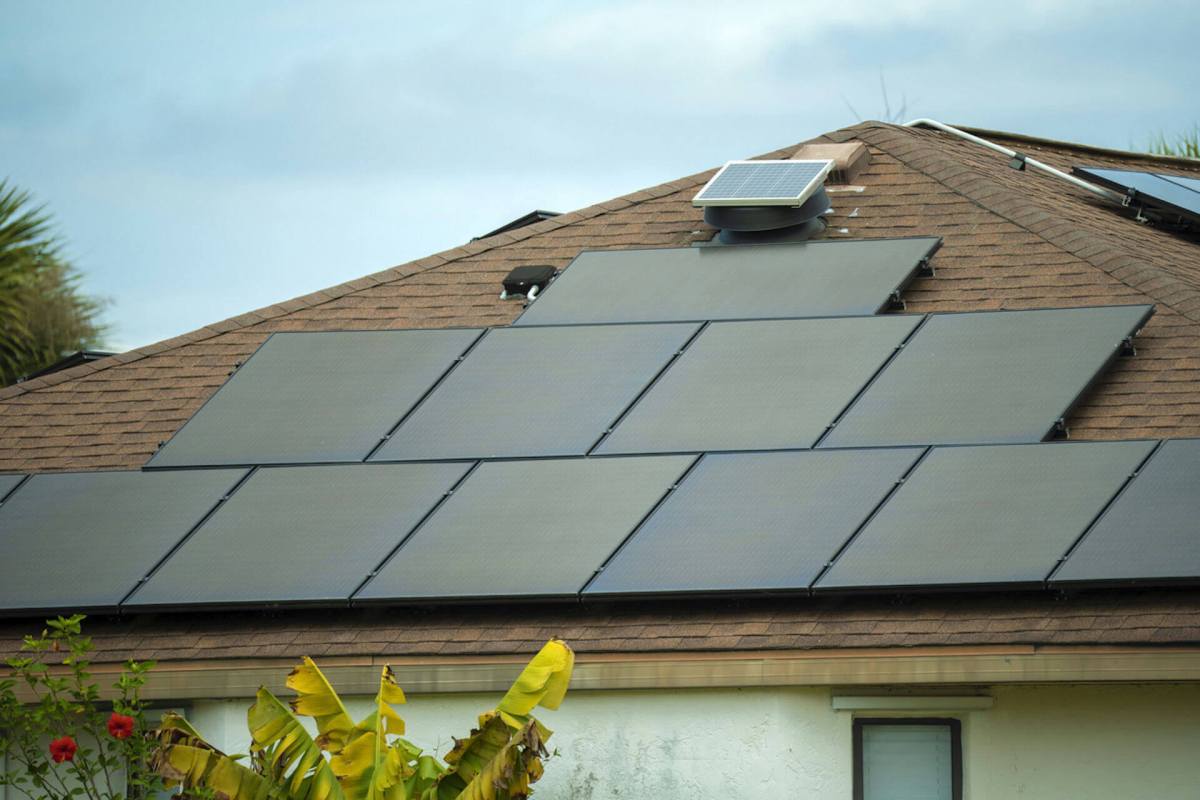
Renewable energy options, such as solar panels, are one of the most effective ways to reduce high energy costs, both on farmland and in residential areas. Installing solar panels doesn't just reduce planet-warming pollution; it can also bring home energy costs down to $0.
Save $10,000 on solar panels without even sharing your phone number Want to go solar but not sure who to trust? EnergySage has your back with free and transparent quotes from fully vetted providers that can help you save as much as $10k on installation. To get started, just answer a few questions about your home — no phone number required. Within a day or two, EnergySage will email you the best local options for your needs, and their expert advisers can help you compare quotes and pick a winner. |

EnergySage is a service that provides free solar quotes from vetted local installers, and it can save customers up to $10,000 on new installations.
Although federal tax credits for making the switch are set to expire, solar installations completed by the end of 2025 are eligible for a 30% tax credit.
|
Should the government continue to give tax incentives for energy-efficient home upgrades? Click your choice to see results and speak your mind. |
 Absolutely 💯
 Moreover, EnergySage offers a free mapping tool that allows consumers to drill down into state-level savings estimates, enabling users to stack savings on new solar installations.
Pairing solar with additional energy-efficient upgrades like heat pumps brings costs down even more. EnergySage has a similar tool to help homeowners maximize savings and find the right heat pump for their needs.
More From EnergySage
💡Go deep on the latest news and trends shaping the residential solar landscape



In short, family farms face another economic setback as the USDA moves to gut REAP.
National Sustainable Agriculture Coalition policy expert Richa Patel questioned the wisdom of "targeting popular farmer programs instead of actually addressing the underlying issues."
The USDA "could potentially hurt farmers in their efforts to save on costs, which fundamentally is going to hurt them in their efforts to keep their businesses surviving," Patel warned.
Energy consultant Bruce Everly has assisted several small farms with REAP, and he concurred. REAP "has been key to helping people who don't have a lot of assets make a change and provide some cash flow for their family," Everly said, citing "desperately needed" upgrades.
On Sept. 10, the National Resources Defense Council decried the announcement but reminded farmers that "hope remains," as several "of these changes to the USDA are not yet final."

Join our free newsletter for weekly updates on the latest innovations improving our lives and shaping our future, and don't miss this cool list of easy ways to help yourself while helping the planet.
Cool Picks





