


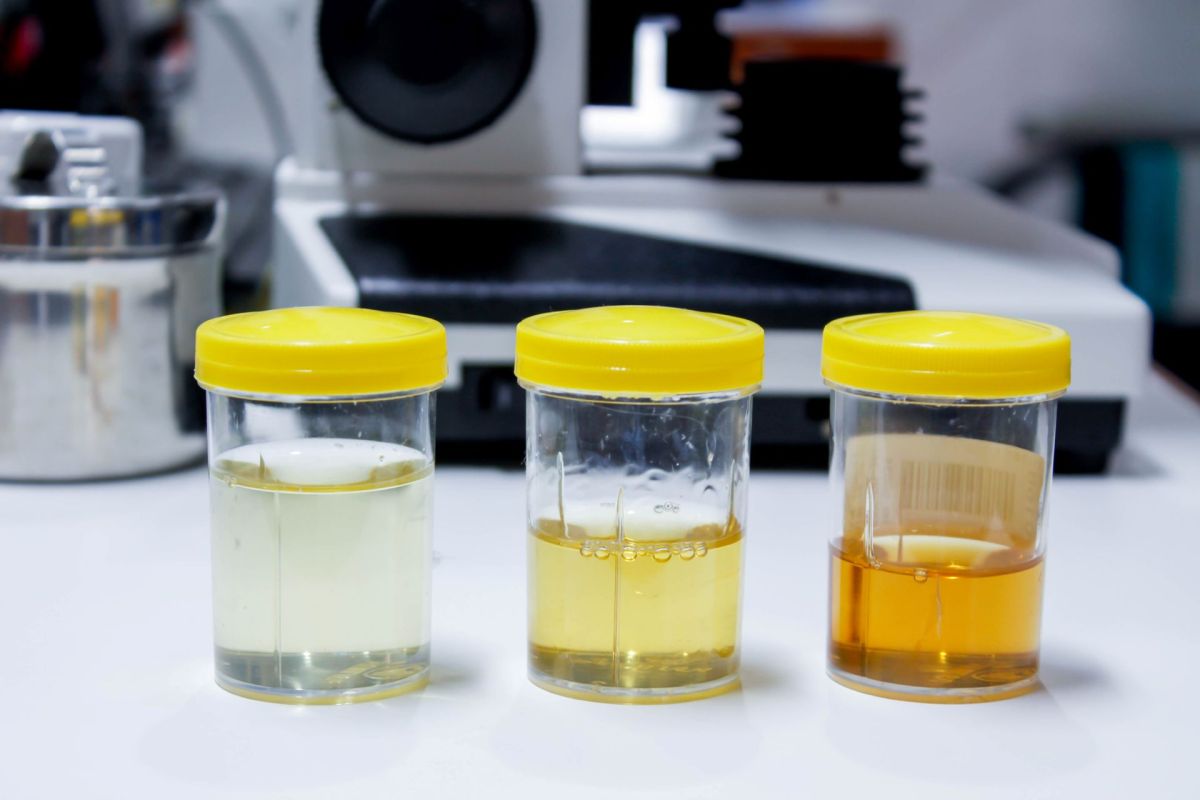
Biology researchers in multiple labs are on an extended bathroom break.
That's because ongoing testing in Canada and France is using urine in an innovative microbial fuel cell to create electricity.
Success could deliver a unique and sustainable way to provide power for people around the world who are regularly in the dark. Outages are common in Puerto Rico, for example, but blackouts throughout the United States are becoming a bigger concern as electricity rates continue to rise.
Urine could be the fuel to help keep the lights on.
"Using urine as a resource supports sustainable sanitation and nutrient recovery, reducing pressure on freshwater systems," study co-author and bioresource engineering Professor Vijaya Raghavan said in a news release from Montreal's McGill University.
Students at Paris' SupBiotech, a private engineering school, have also been working since 2015 on similar research dubbed EverLux, technology news site Glass Almanac reported.
"This method could provide a simple, inexpensive, and user-friendly way to power LED lights," according to the story.
The National Library of Medicine reported that humans make about 1.7 liters of urine a day.
The researchers' method utilizes microbial fuel cells that use bacteria to convert the organic waste into energy while treating the wastewater. A microbe-dependent chemical reaction breaks down organic pollutants and aids electron flow, unlocking the power-making potential. But urine concentration, electrochemical function, and pollutant removal require more research, according to McGill's summary.
"This study addresses that gap by systematically examining how varying urine proportions affect the electrochemical and biological performance," Raghavan said.
TCD Picks » Quince Spotlight
💡These best-sellers from Quince deliver affordable, sustainable luxury for all




|
Which of these savings plans for rooftop solar panels would be most appealing for you?
Click your choice to see results and earn rewards to spend on home upgrades. |
 Save $1,000 this year 💸
 Hydrogen fuel cells are already in use and leverage chemical energy to produce electricity without harmful air pollution. They use similar concepts as their urine counterparts, but with different biological and chemical processes to accommodate each fuel type.
Hydrogen versions already power vehicles in limited settings. But the most common method of hydrogen production uses methane gas, raising concerns about pollution cited by the Sierra Club.
The urine research is interesting because it uses an abundant waste stream to create electricity.
At McGill, experts used special chambers to test various waste-stream concentrations, measuring energy generation, pollutant removal, and water-treatment performance. They found that urine concentrations of 50% to 75% provided better electricity production, as pee provides nutrients that help vital microbes to grow, according to McGill.
"Urine contains essential ions and organic compounds that support rapid microbial activity, which improves power generation and pollutant breakdown," Raghavan said.
SupBiotech's research is reported to be of a similar nature, and it is now focused on increasing voltage and amperage, according to Glass Almanac.
Experts from both schools said that powering LED lights and sensors, and providing energy at disaster sites and off-grid communities, could be the eventual benefits of urine-derived electricity.
In the meantime, home solar is the best way to lower your energy bill with homegrown electricity — and no urine is needed.
TCD's Solar Explorer can connect you with trusted partners and provide competitive quotes from vetted installers, saving you up to $10,000 on upfront expenses.

Get TCD's free newsletters for easy tips to save more, waste less, and make smarter choices — and earn up to $5,000 toward clean upgrades in TCD's exclusive Rewards Club.
Cool Picks





