


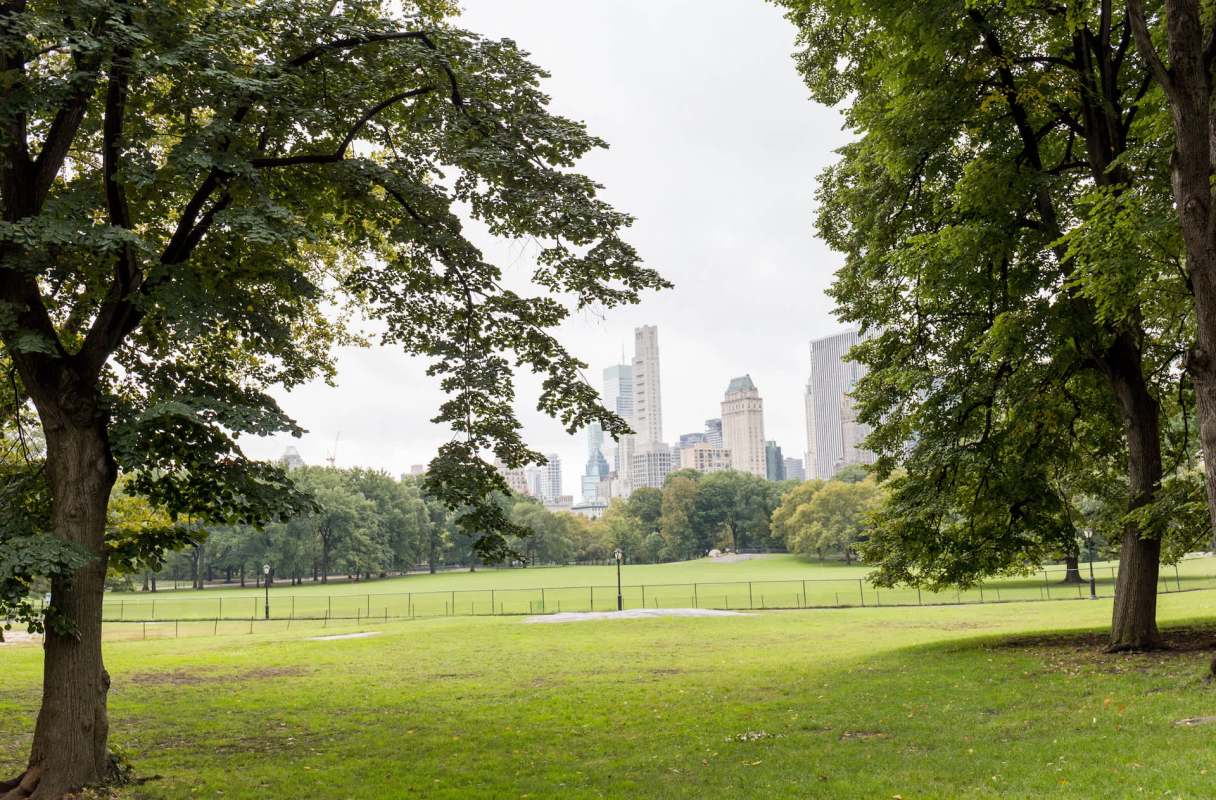
This new technology could lead to greener, healthier cities.
A new report by Smart Cities Dive looked into a new open-source artificial intelligence model by the International Institute for Applied Systems Analysis that tracks vegetation growth and loss in urban environments.
Canopy coverage in cities is measured by a metric known as the Green View Index, and this new AI tool found that greenery has decreased by between 0.3% and 0.5% per year.
Although the decline in green areas is concerning, this technological advancement has made tracking canopy coverage easier than ever. Hopefully, this will lead to more trees being planted in places that lack access to green space and inspire city planners to prioritize making urban areas greener.
Green spaces are known to have a positive impact on mental and physical health and can make exercise more enjoyable and accessible. According to The Health Foundation, neighborhoods with more access to greenery tend to have a higher life expectancy.
Increased tree coverage could have an even more tangible impact on life-and-death situations by reducing heat-related deaths. One article in the Journal of Environmental Management estimated that a 10% increase in tree coverage could mean 50 fewer heat-related deaths a year in Salt Lake City and around 3,800 fewer in New York City.
In addition to the impact on our health, more trees equal less pollution and a cleaner planet with better air quality. Buildings in areas shaded by trees often require less air conditioning, meaning that energy demand goes down.
Having the ability to track green space more efficiently and effectively will help highlight streets where canopy coverage is desperately needed.
The research scholar who led the study, Giacomo Falchetta, said, per Smart Cities Dive, "Many cities lack consistent, street-level data on vegetation coverage, making it hard to prioritize areas based on existing conditions and inequalities."
He added that the model "supports the prioritization of existing vegetation maintenance for areas of cities where GVI is on a declining trend."
TCD Picks » Quince Spotlight
💡These best-sellers from Quince deliver affordable, sustainable luxury for all




|
Do you worry about air pollution in your town? Click your choice to see results and speak your mind. |
 All the time 💯
Join our free newsletter for weekly updates on the latest innovations improving our lives and shaping our future, and don't miss this cool list of easy ways to help yourself while helping the planet.
Cool Picks





