


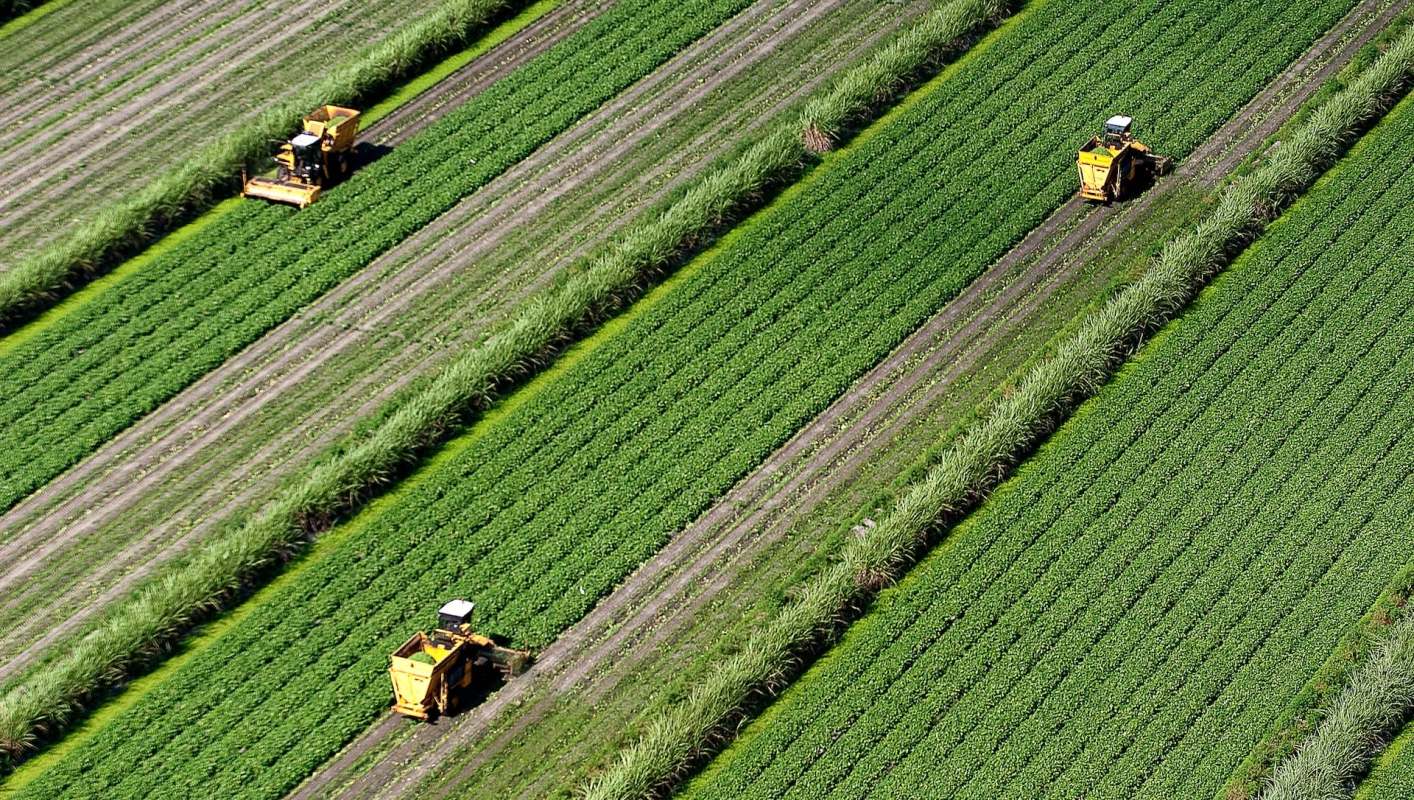
The University of Florida is reenvisioning the future of farming, with a little help from artificial intelligence.
The school is building a new, 40,000-square-foot AI hub where scientists will innovate solutions to the most pressing problems in agriculture, UF announced in a press release.
"This will be the cradle for the next technological leaps forward made possible by a 150-year-old land-grant model of academia-industry-government partnership," Scott Angle, senior vice president for Agriculture and Natural Resources, said in a press release.
"UF's historic investment in AI talent, the state legislature's generous funding to create the space, and farmers' and processors' embrace of innovation will make Florida an even greater force for good in feeding the world," he continued.
Researchers hope that they can replace labor-intensive farm production jobs with high-paying tech positions. In addition to automating manual tasks, AI could help researchers breed pest- and disease-resistant plants that will boost agricultural production and stimulate the economy.
UF is one of a growing group of institutions using AI to revolutionize farming. Other researchers have wielded it to address food insecurity, enhance weather forecasting, and decrease pesticide use.
As artificial intelligence reshapes our modern world, it is also affecting the environment. AI data centers require huge amounts of electricity; for example, a ChatGPT query requires almost 10 times as much energy as a Google search, according to the International Energy Agency. Because most power grids still run on dirty fuels, this contributes to planet-warming pollution.
The massive computers that power AI get extremely hot, so data centers tend to rely on water-based cooling systems. A large data center consumes about as much water as 4,200 people each day, according to the University of Illinois Urbana–Champaign.
At the same time, AI holds enormous potential for addressing climate-related issues. Researchers have used AI models for everything from helping households optimize their energy consumption to determining how slight changes to driving behavior could reduce carbon pollution.
AI will also likely become less polluting as more grids transition to renewable energy and as the technology itself becomes more efficient.
TCD Picks » Quince Spotlight
💡These best-sellers from Quince deliver affordable, sustainable luxury for all




As the warming planet threatens our food supply, the work of researchers like those at UF could be crucial to building a more resilient future.
|
Should we use robots to help grow our food?
Click your choice to see results and speak your mind. |
 Definitely 🤖
Get TCD's free newsletters for easy tips to save more, waste less, and make smarter choices — and earn up to $5,000 toward clean upgrades in TCD's exclusive Rewards Club.
Cool Picks





