


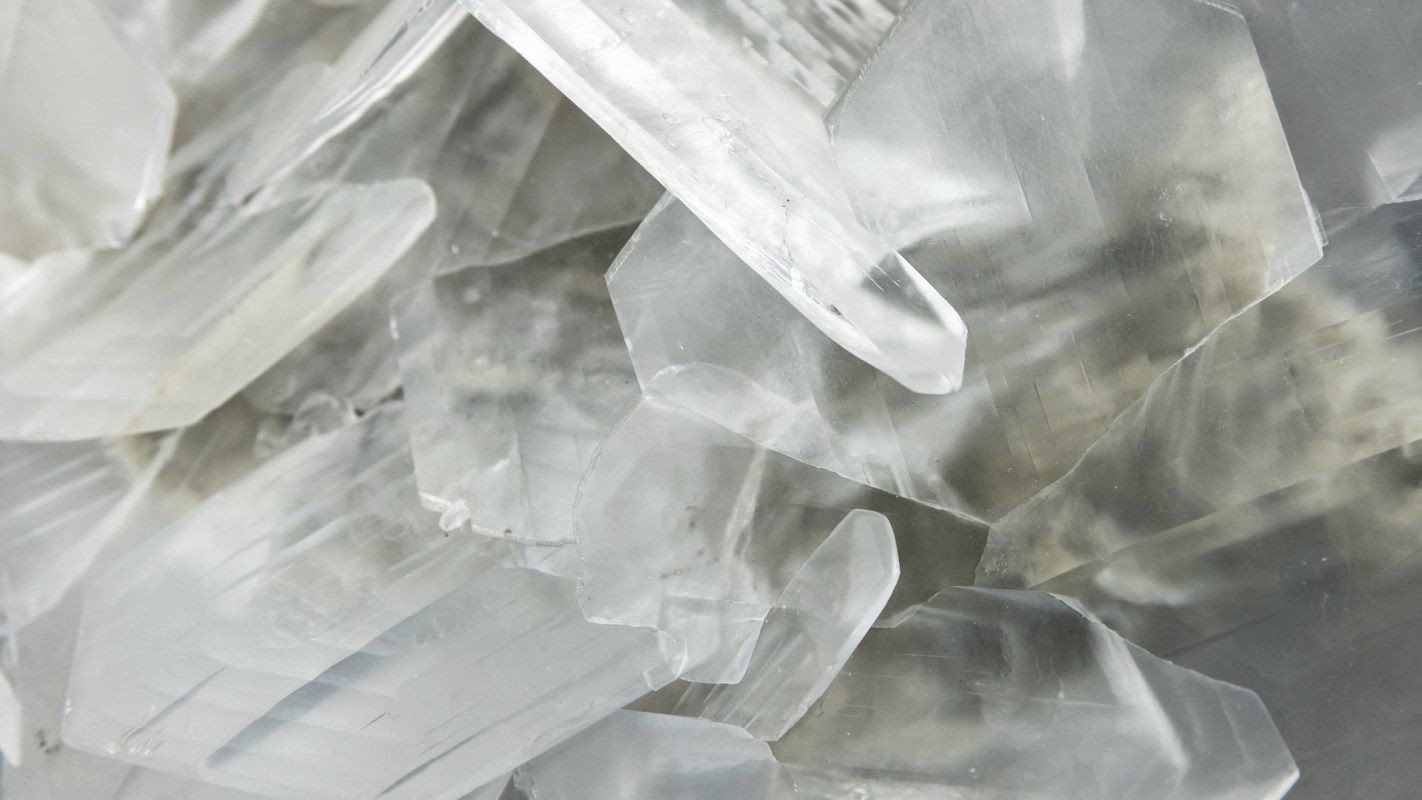
Production of a white-pigmented mineral used as a dye for bakery products and candy has a polluting side story.
Titanium gypsum, or TG, is a byproduct of titanium dioxide manufacturing. It has a reddish/yellow color and "poses significant environmental challenges," according to researchers from Zhengzhou University in China, per ScienceDirect. The scientists have developed a way to recycle and nullify TG while storing planet-warming carbon dioxide at the same time in an approach that has proven highly successful.
TG is made when acidic wastewater is neutralized with limestone or other alkaline materials. It contains a lot of iron hydroxide, which provides its autumn coloring. China makes 3 million tons of titanium dioxide, or TD, each year — the most in the world. The majority of it is made with the sulfate process that also creates TG, according to the summary.
Producing just a ton of TD also makes 8 tons of wastewater and up to 10 tons of TG. So far, about 273 million tons of TG have been produced in China. It's typically disposed of in a landfill or by open-air stockpiling, per the research.
"Such practices ultimately pose substantial risks to public health while imposing considerable economic burdens on titanium dioxide enterprises," the experts wrote.
Their solution — which leans heavily on chemistry — is to leach calcium from TG using ammonium chloride selectively. The scientists marked impressive results: more than 87% calcium leaching and a carbonation efficiency of greater than 96%. The goal is to establish a system that cancels TG's environmental risks, creates useful and harmless calcium carbonate, and cycles ammonium chloride, as outlined in the summary.
This study contributes "to CO2 mitigation and the production of valuable byproducts," according to the experts.
The air pollution storage is similar to research at Stanford, where experts are figuring out how to turn heat-trapping gases into stone. A South African Nestlé plant is capturing CO2 from flue exhaust and turning it into baking soda, as another example.
For TD's part, the substance has been banned in the European Union for use in foods due to unconfirmed risks that it can damage human DNA, according to the European Commission. In the United States, food dyes have been under renewed scrutiny, with Red No. 3 recently banned. Health and Human Services Secretary Robert F. Kennedy Jr. is pushing to remove dyes from foods altogether.
There's a request from a group of environmental and health watchdogs to ban TD from the approved list, dated April 14, 2023, according to the Food & Drug Administration. The request is under review.
TCD Picks » Quince Spotlight
💡These best-sellers from Quince deliver affordable, sustainable luxury for all




|
Do you worry about having toxic forever chemicals in your home?
Click your choice to see results and speak your mind. |
 Majorly 😥
 The TD and TG scrutiny happening at points around the world could ensure better public health. By removing it from foods, U.S. health officials can limit possible DNA risks, as regulators in the EU have done. In China, the process to remediate TG could also capture CO2, removing a harmful gas from the air that NASA links to increased planet warming and greater risks for extreme weather.
Consumers can stay informed about products on store shelves, how they are made, and the associated health risks of their ingredients and byproducts. Then, you can use your buying power for good, supporting brands that make healthier foods. Your voice can also be added to lobbying efforts to ensure air pollution and harmful substances are being regulated and reduced.
For their part, the Zhengzhou researchers characterized their work as a "hypothesis."
"This study attempts to provide (a) sustainable solution for carbon sequestration and the recycling of titanium gypsum," they wrote, per ScienceDirect.

Join our free newsletter for weekly updates on the latest innovations improving our lives and shaping our future, and don't miss this cool list of easy ways to help yourself while helping the planet.
Cool Picks





