


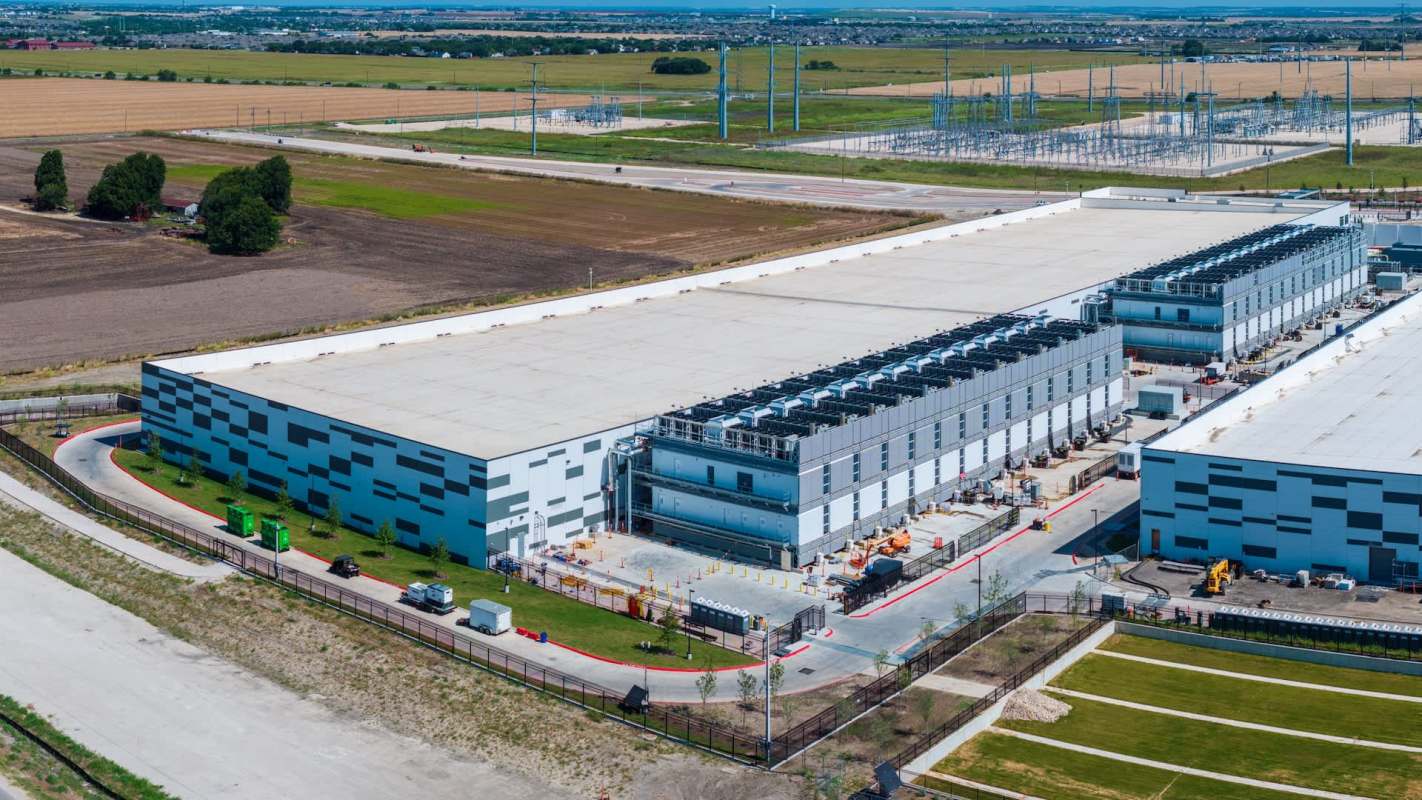
The rapid build-out of artificial intelligence infrastructure is colliding with local Texans, whose instincts are to protect their land, water, and electric bills.
In some deeply Republican parts of the state, voters who typically favor limited government are now urging public officials to step in. They want the government to slow down or block giant data center projects tied to the AI boom.
What's happening?
What is emerging is a clash between unrestricted economic development and the anxiety about how these projects could affect shared resources. As The Washington Post reports, some Republican voters are now pushing leaders to intervene against giant developments, even though that stance can conflict with traditional conservative views.
Part of the tension comes from the sheer scale of the facilities involved. AI data centers can span large areas and require large amounts of electricity and water to run and cool their systems, making them a source of conflict in places already concerned about drought, grid reliability, and rapid industrial expansion.
What is marketed as an economic opportunity can, in reality, be very different for nearby residents. If a new facility competes for local resources or changes the nature of a rural area, that can be irreversible.
Why does it matter?
AI is heavily tied to the energy grid because every chatbot, image generator, and large-scale computing system runs in a data center that requires constant power.
TCD Picks » Quince Spotlight
💡These best-sellers from Quince deliver affordable, sustainable luxury for all




Proponents bring up that AI can help utilities forecast demand, better integrate wind and solar power, and improve grid operations. On the other hand, AI infrastructure can consume so much electricity and water that it adds new strain to power systems, drives up costs, and intensifies local environmental pressures.
If a major project pushes demand higher faster than infrastructure can expand, households and businesses could face greater pressure on the grid and potentially higher utility bills. In dry areas, heavy industrial water use can also heighten concerns about supply.
What's being done?
Even in places that might once have welcomed almost any large investment, residents are now urging officials to scrutinize permits, infrastructure demands, and the public costs associated with giant server farms.
Communities want a more conditional approach to development, closer scrutiny of where projects are built, how much water and electricity they will require, and whether developers will help cover the upgrades needed to support them.

Get TCD's free newsletters for easy tips, smart advice, and a chance to earn $5,000 toward home upgrades. To see more stories like this one, change your Google preferences here.






