


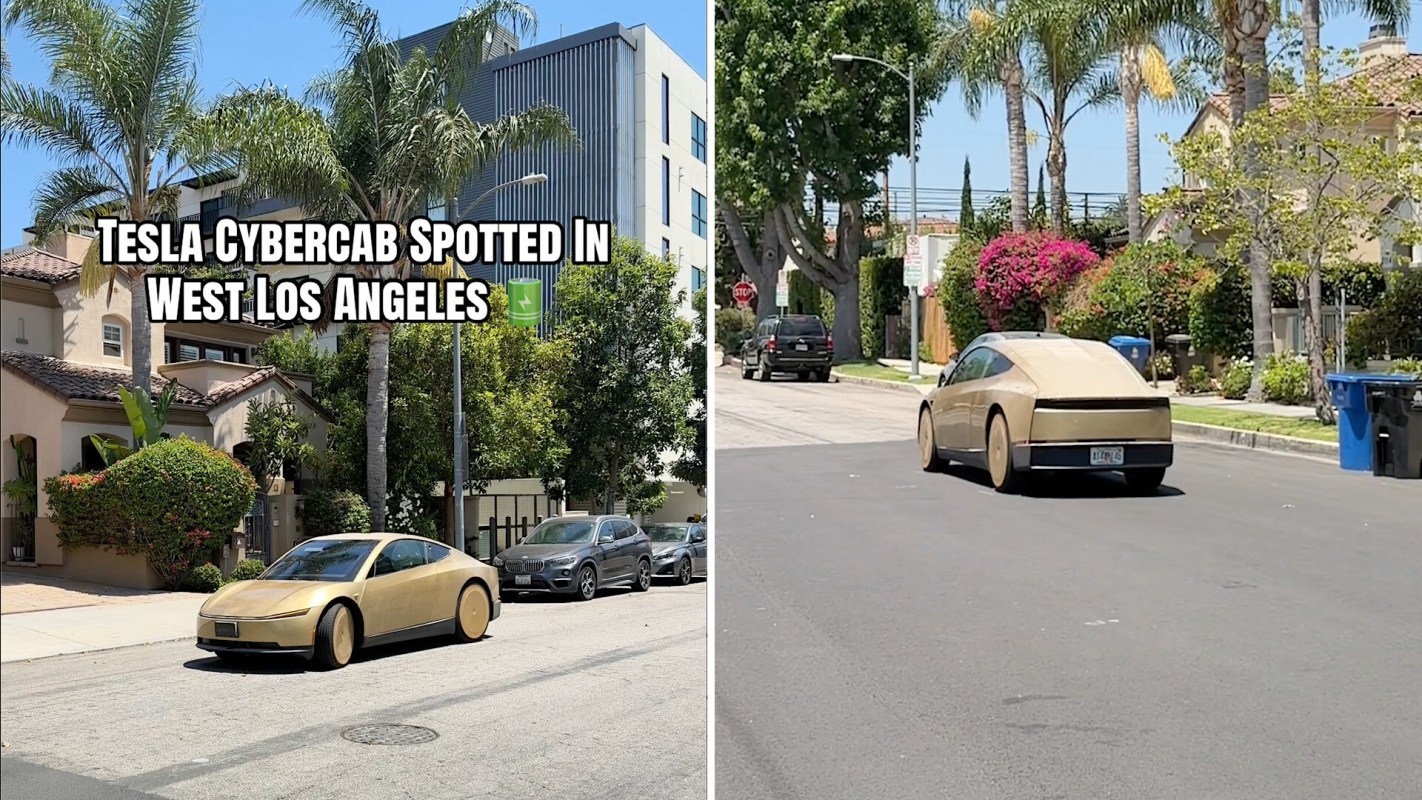
West Los Angeles witnessed an uncommon appearance of a Tesla Cybercab prototype, turning heads in the area.
The futuristic two-seat robotaxi concept drew attention from people nearby, including electric vehicle fans, and offered another glimpse of a vehicle Tesla hopes could help shape the next chapter of transportation.
What's happening?
Instead of being seen only on a stage or at a tightly controlled event, the Tesla robotaxi prototype appeared on a public street in the CarSpex (@carspex) footage, which was shared on TikTok.
@carspex A Tesla Cybercab spotted in West Los Angeles turned heads with its futuristic two-seat design, steering-wheel-free interior, and bold vision for autonomous transportation, giving onlookers a glimpse of what could be the future of urban mobility. The Tesla Cybercab is not officially limited, and Tesla has announced it is designed as a fully autonomous electric vehicle with approximately 300 miles of estimated range, though final production specifications may change before launch. Today, the Tesla Cybercab is expected to start at under $30,000 when it enters production, though pricing and availability remain subject to change. #tesla #cybercab #westlosangeles #futurecars #ev ♬ Midnight City - M83
The clip offered a brief but notable look at the vehicle maneuvering out of a parked spot and heading down a residential street.
CarSpex wrote in the caption: "Its futuristic two-seat design, steering-wheel-free interior, and bold vision for autonomous transportation, giving onlookers a glimpse of what could be the future of urban mobility."
The caption added further details provided by Tesla, noting that the fully autonomous vehicle boasts a projected range of 300 miles and a starting price of under $30,000. The sighting excited some commenters on TikTok.
TCD Picks » Quince Spotlight
💡These best-sellers from Quince deliver affordable, sustainable luxury for all




"As someone with a disability that limits my driving, I'm so excited for this!" a commenter exclaimed. "Truly a world of possibilities will open back up for me."
Like nearly all things Tesla, the Cybercab sparked strong feelings of opposition and support. Amid the enthusiasm, other commenters expressed concerns around safety, design, and the tech behind it.
Why does it matter?
While Tesla's rollout timeline is unknown, for consumers, robotaxis could one day expand transportation options, particularly in busy urban areas.
Whether someone ends up using a self-driving cab or buying their own EV, electric vehicles already offer practical benefits, including savings on fuel and reduced routine maintenance costs such as oil changes, since EVs have fewer moving parts than gas-powered cars.
EVs produce no tailpipe pollution, which can help reduce planet-warming air pollution and have a less harmful impact on local air quality, especially when paired with cleaner electricity sources.
What's being done?
Tesla is continuing to develop its autonomous vehicle ambitions. At the same time, regulators and local officials will continue to play a major role in determining how and when robotaxi services can expand on public roads.
For people interested in the benefits of EVs right now, there are more accessible ways to get started than waiting for a robotaxi. One option is buying an electric vehicle, which can lower fuel bills and reduce maintenance needs over time. There's even a way to save even more on refilling a battery.
Charging an EV at home often costs half as much as using public chargers, though basic Level 1 charging tends to be slow. Qmerit provides free, instant installation estimates for faster Level 2 home charger installations. For many drivers, that setup can make daily charging easier and help unlock more of the savings that make EV ownership appealing.

Get TCD's free newsletters for easy tips, smart advice, and a chance to earn $5,000 toward home upgrades. To see more stories like this one, change your Google preferences here.






