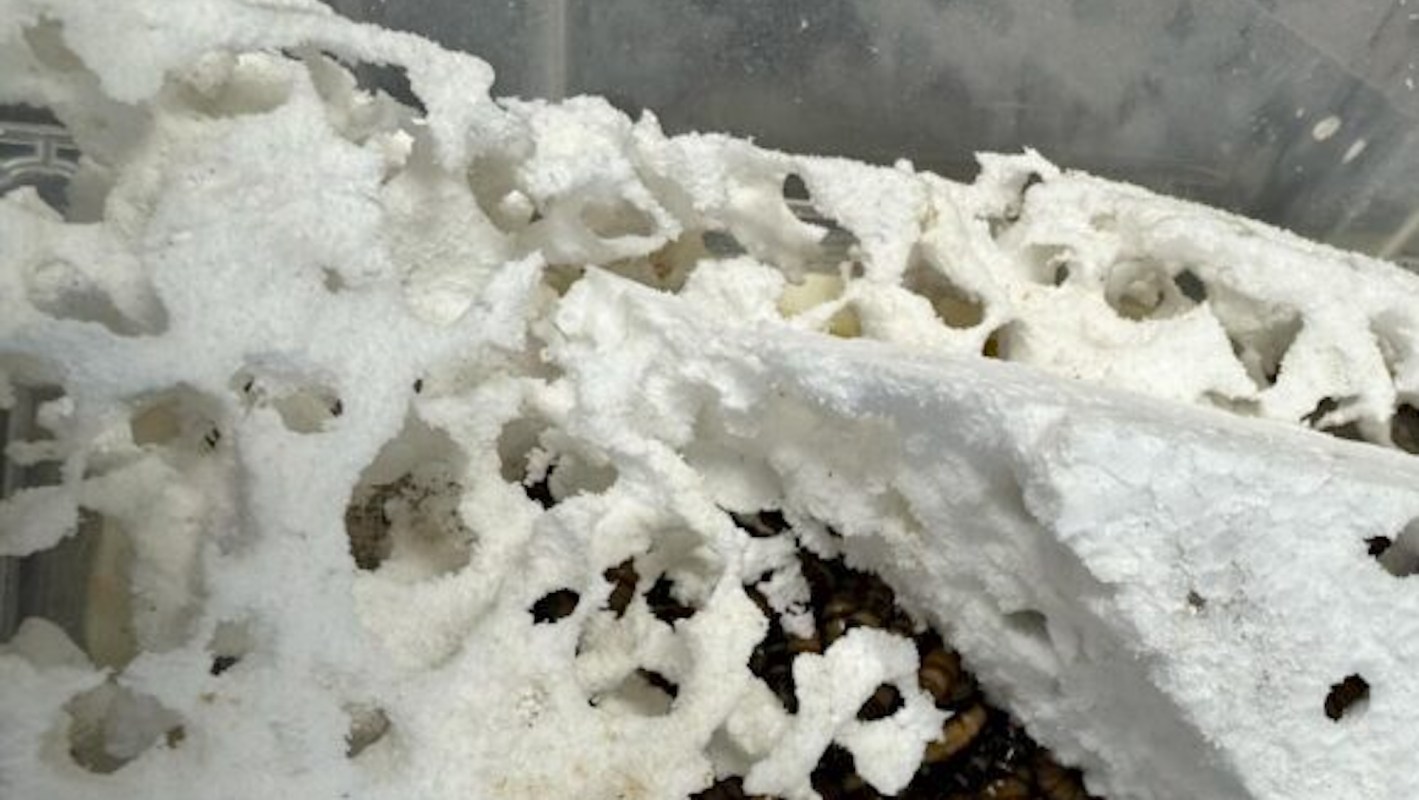
The darkling beetle's version of a food pyramid would be atypical, to say the least.
That's because of a highly adaptable digestive system that allows the insect to dine on objects with low nutritional value, such as plastic.
Researchers at Mendel University in the Czech Republic see great potential for the beetles' stomach-churning.
According to data from The University of Leeds, shared by PBS, more than 57 million tons of plastic waste are produced every year. Dealing with that waste is becoming an increasing concern, which is why the beetles could be so important.
The goal now is to identify the right mix of beetle enzymes and microbes that can be used at scale by biotechnological companies to recycle plastics, as a Mendel University press release observed.
"If we identify the key enzymes and metabolic processes involved in degradation, we can then use them independently, without the need for larvae," said Tomáš Do, an Institute of Chemistry and Biochemistry researcher who was involved in the Mendel project.
The beetles were studied in their larval form, when they resemble mealworms. The experts observed that these so-called "superworms" can eat many common types of plastic.
Hard-to-recycle plastics take decades to centuries to degrade on their own, but they can break apart into smaller and smaller pieces, eventually becoming microplastics.
The tiny particles are becoming increasingly pervasive. For example, one study found nanoplastics in snow samples from the Alps' highest peaks.
Scientists are still studying how these pollutants impact our bodies. Stanford Medicine reported that inflammation and organ damage are concerning possibilities.
TCD Picks » Upway Spotlight
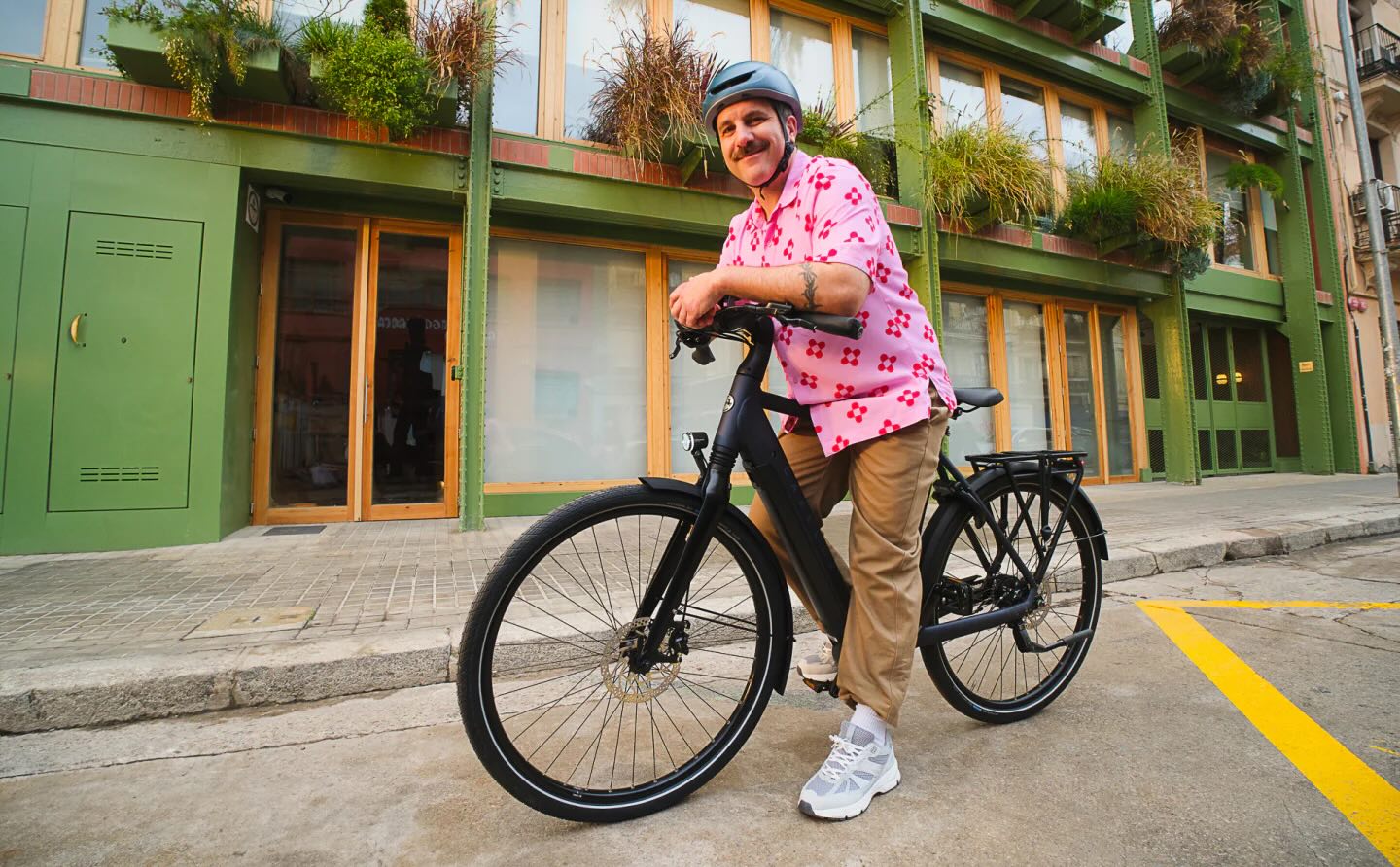
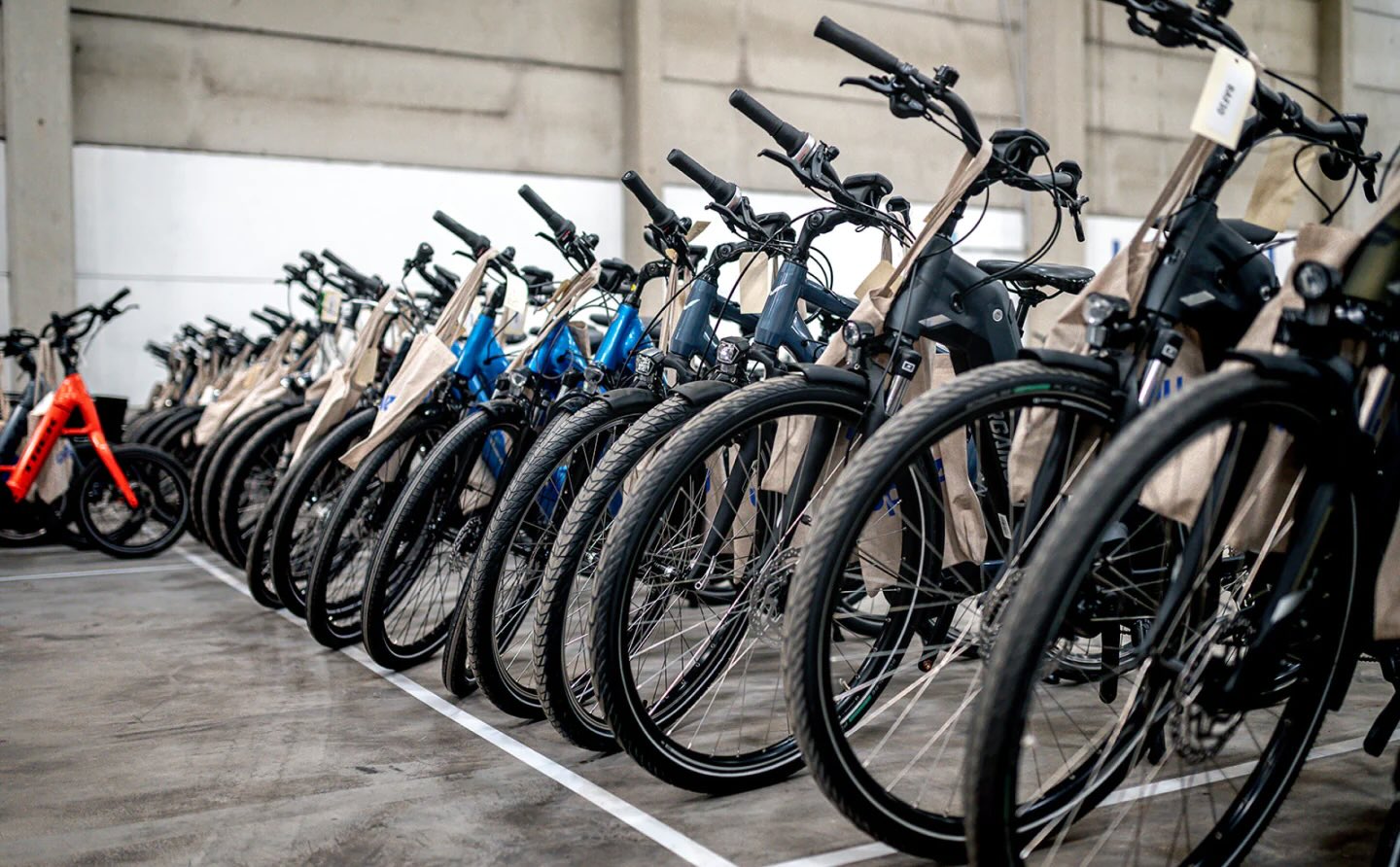
💡Upway makes it easy to find discounts of up to 60% on premium e-bike brands



|
Should it be illegal to throw away old clothes?
Click your choice to see results and speak your mind. |
 Heck yes 👍
 The Mendel study used artificial intelligence to determine that the larvae can survive on plastics for an extended period of time, spotlighting the fascinating creature's odd ability.
"The findings could lay a solid foundation for the development of new, environmentally friendly, and biologically oriented plastic recycling technologies," Do said.
Scientists elsewhere are studying caterpillars and other insects that have demonstrated the ability to eat the trash, as well.
Better understanding their digestive tracts could be crucial, as plastic production continues to increase.
MIT Technology Review reported that plastics are profitable and cheap to make, which is why the material is attractive for containers, packaging, and other throwaway items. It shared that only 5% to 6% is recycled in the United States.
However, sustainable alternatives often save consumers money while providing better experiences. A $40 reusable water bottle is a better vessel that can save you hundreds of dollars a year if you ditch single-use plastic. Taking cloth grocery bags to the store can replace troublesome and weak carriers with a much stronger alternative.
On the recycling front, Recycle Check can help you learn about options in your neighborhood for plastics and other items, and sometimes, you can even get paid to recycle.
TerraCycle is another tool that will connect you to solutions for trickier products.
In the meantime, it might be a superworm that saves the day when it comes to our growing pollution problem.
"Most plastics end up in landfills, incinerators, or escape into the environment, where they pose a long-term threat to ecosystems and food chains," Do said. "That is why we are investigating how … larvae can break down different types of plastics."

Get TCD's free newsletters for easy tips to save more, waste less, and make smarter choices — and earn up to $5,000 toward clean upgrades in TCD's exclusive Rewards Club.
Cool Picks