


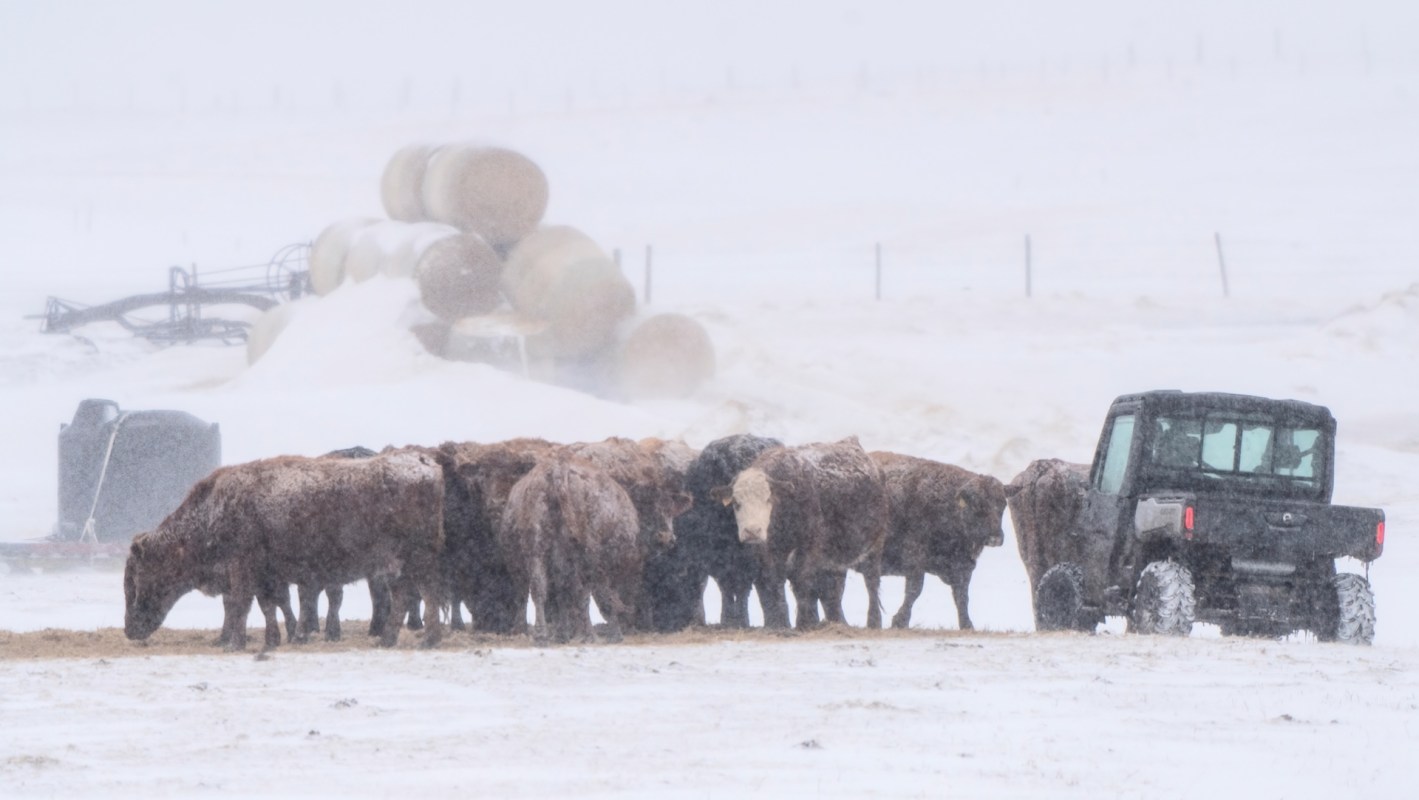
A cattle farmer has been industriously breeding what he calls "super cows," which could bear environmental benefits, according to Cowboy State Daily.
James Jensen is a fifth-generation rancher who has been running Lucky 7 Angus Ranch in Boulder, Wyoming. Since his youth, he's been working to produce hardy cattle that can survive at elevations above 7,000 feet. To do so, he's been taking his best 100 cattle every year to continue breeding while selling off the rest.
Measuring animal health has been central to these efforts.
"We were the first Angus breeder in the world to buy a scientific feed efficiency test system," Jensen said, per Cowboy State Daily. "So, we could actually put the cattle in an environment where we can scientifically test them for feed efficiency on an individual basis."
Cattle are calorically inefficient, taking roughly 100 calories of grain to produce 1 calorie of beef. Bringing down that ratio means using less land and energy to grow feed, which has a steep environmental footprint, and saving for ranchers.
Jensen also said that the improved metabolism of his cattle means they produce less methane, a powerful pollutant that exacerbates destructive weather patterns. These include droughts, which can hit cattle farmers hard. Hardier breeds can help ranchers make it through these increasingly frequent weather patterns.
Healthier breeds can also help ensure fewer cattle die in the field. Food loss like this plays a significant role in the environmental impact of agriculture, not to mention monetary losses for farmers.
Jensen isn't alone in trying to breed super cows. Scientists in Australia have been working to make a more methane-light breed.
Beef consumption has been dropping due to both health and environmental concerns, leading to increased popularity of plant-based diets. Still, innovations like Jensen's can help to minimize the impact of cattle that continue to be raised.
"So, we're creating cattle that now can live longer, less sickness, death, loss, and eat less to produce a pound of beef," he said, per Cowboy State Daily.
TCD Picks » Quince Spotlight
💡These best-sellers from Quince deliver affordable, sustainable luxury for all




|
Should kids have to bring their own supplies to school?
Click your choice to see results and speak your mind. |
 Yes 👍
Yes 👍 
💰Get TCD's free newsletters for easy tips to save more, waste less, and make smarter choices — and earn up to $5,000 toward clean upgrades in TCD's exclusive Rewards Club.
Cool Picks





