


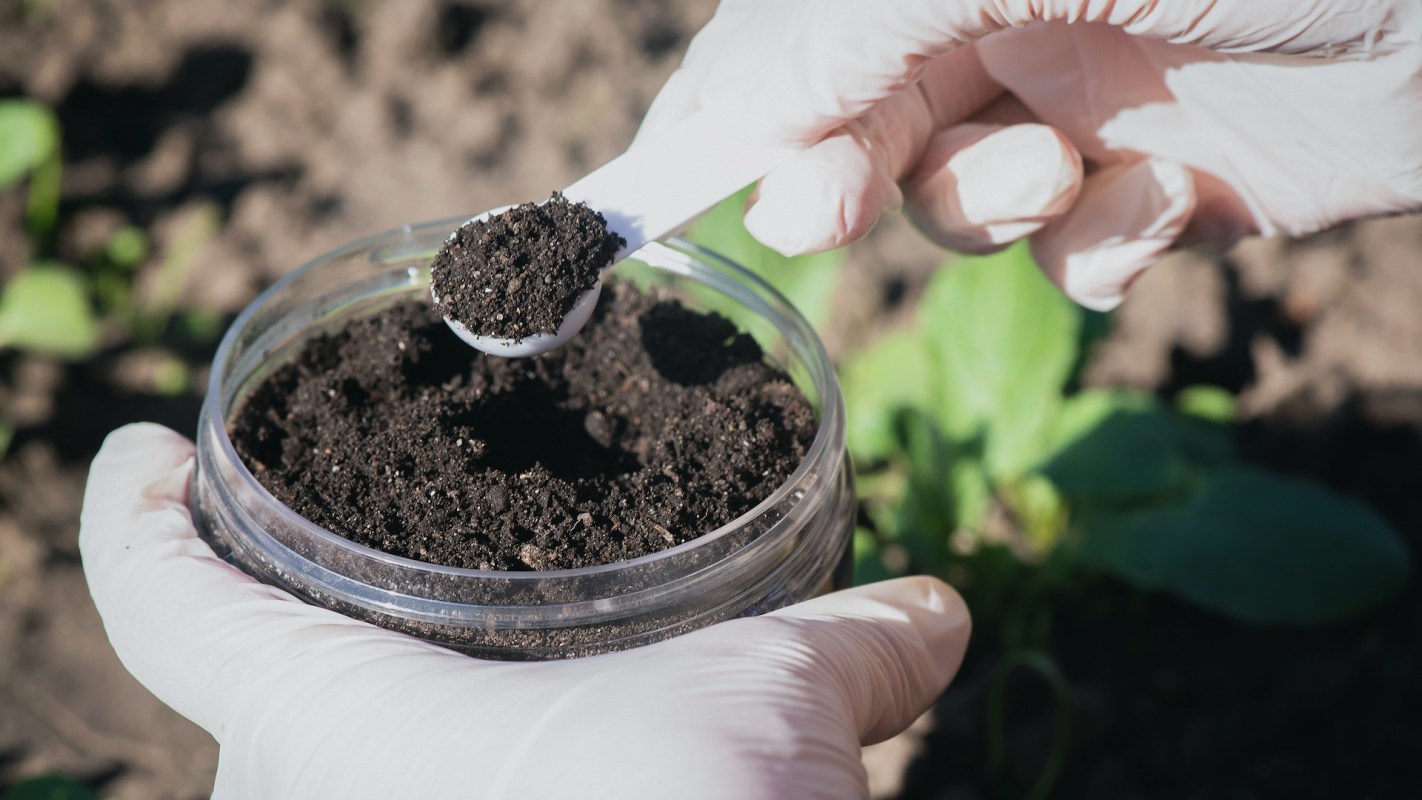
Sacrificial microbes are key to plants that thrive in sulfur-needy soil, according to experts from Singapore.
Their research has provided a fascinating look at microbe/plant relationships in the region of dirt surrounding roots, revealing behavior that's part of what they call the "trans-kingdom fitness trade-off."
The findings can help researchers design hardier plants, starting at the microbial level. The study was completed by the Singapore Centre for Environmental Life Sciences Engineering and the National University of Singapore.
"This work introduces the concept of a trans-kingdom fitness trade-off and provides a mechanistic explanation for it," study first author Arijit Mukherjee said in a news release. "Plant fitness isn't just about the plant itself — it's about the whole community of microbes around it. Understanding these trade-offs helps us design better microbial solutions for resilient crops."
Sulfur is important to plant growth, helping with vitamin production, stress relief, and other things. When it's in short supply, dirt-based microbes compete for nutrients, releasing a compound called glutathione, which promotes plant health and helps to fill in for the missing sulfur, according to the release.
"The catch: while plants benefit, some microbes lose out in their own growth," according to the experts, highlighting the sacrificial nature of the relationship.
The Singapore team attributes soil sulfur depletion to the global shift to cleaner energy. Industrial sulfur emissions that migrated to the ground are being limited by cleaner operations, as noted by the team. It's another trade-off that's well worth it, as heat-trapping air pollution causes millions of premature deaths annually, according to the World Health Organization. And NASA said the fumes create a greater risk for severe storms and wildfires, already wreaking havoc around the world, including for crop production.
Farmers use sulfur-laden fertilizers to help replenish the soil, but it can run off into nearby waterways and cause more problems. EcoWatch reported that runoff can have "toxic results" as it travels through the environment. The report was based on a study of sulfur used at California vineyards.
Experts from the University of Texas at Austin are developing a hydrogel that collects excess nitrogen from fertilizers, preventing it from exiting fields, as part of the solution. University of Maryland researchers created heat-resistant apples that can withstand rising temperatures due to our planet's overheating, as part of the search for more durable food crops.
It seems dirt-dwelling bacteria that forfeit reproduction while plants grow could be a natural answer to the sulfur problem. And understanding the relationship is a boon to crop health research, according to the release.
TCD Picks » Quince Spotlight
💡These best-sellers from Quince deliver affordable, sustainable luxury for all




|
Would you want a garden that can take care of itself? Click your choice to see results and speak your mind. |
 Sign me up 👍
 "By considering not only microbial functions but also their interactions, we can design more effective microbial consortia for agriculture. This is the path toward resilient, climate-ready farming," the study's principal investigator, Associate Professor Sanjay Swarup, said.
Growing your own food in a backyard garden is a great way to learn about soil, plants, and the unique balance needed to raise produce. It's a hobby that can also save you up to $600 a year with a small investment, while carrying other physical and mental health benefits.
Composting your food scraps brings it all full circle by providing nutrient-rich soil for your next crop, while limiting food waste that usually ends up in the landfill. Once there, it creates 58% of the planet-warming methane pollution from the dumps, according to the U.S. Environmental Protection Agency.

💰Get TCD's free newsletters for easy tips to save more, waste less, and make smarter choices — and earn up to $5,000 toward clean upgrades in TCD's exclusive Rewards Club.
Cool Picks





