


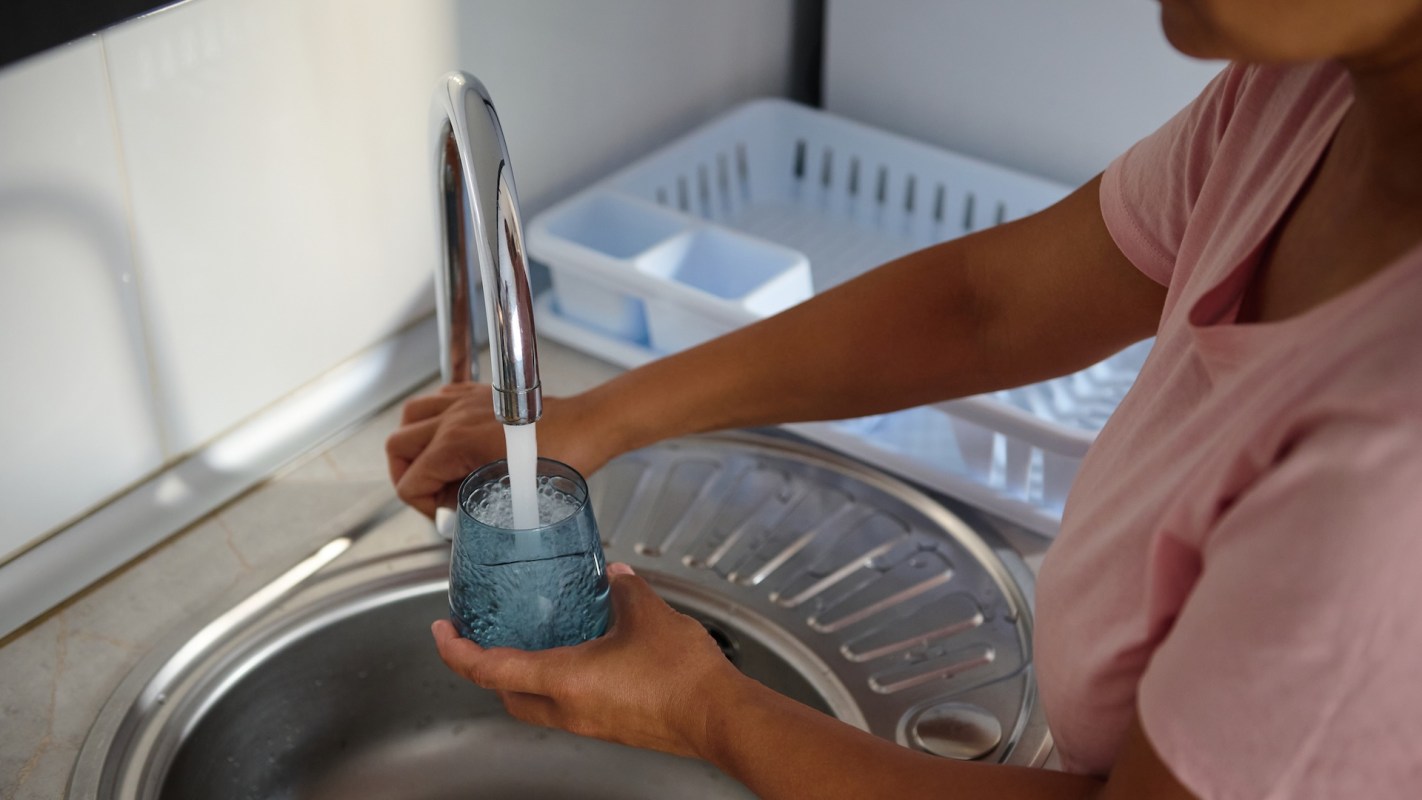
A long-running study of more than 53,000 California women found that some chemicals created during disinfection were associated with increased uterine cancer risk.
What happened?
Using a cohort of 53,100 California teachers and administrators, researchers followed participants for nearly 20 years. It found that women with the greatest long-term exposure to certain drinking water disinfection byproducts were more likely to develop uterine cancer, according to Medical Xpress. The study appeared in JAMA Network Open.
Trihalomethanes, or THMs, stood out most in the analysis. These compounds form when chlorine reacts with organic material in water, and women in the highest-exposure areas had an overall uterine cancer risk that was 18% higher. Chloroform, a type of THM, showed the strongest link to endometrioid tumors, which are the most common kinds of uterine cancer.
Researchers saw a separate association with haloacetic acids, another category of disinfection byproducts. Higher exposure was linked to nearly double the risk of nonendometrioid tumors, which are rarer and often more aggressive.
Among all participants, 1,038 women developed uterine cancer. The researchers did not see the same association for other water contaminants, including nitrate, arsenic, and uranium.
Medical Xpress did clarify, "The results show an association between these chemicals in drinking water and uterine cancer risk, but they do not establish that they cause cancer."
TCD Picks » Quince Spotlight
💡These best-sellers from Quince deliver affordable, sustainable luxury for all




"Future studies are needed to better understand these relationships, especially since exposure to drinking water contaminants is potentially modifiable and may provide an important area for prevention."
Why does it matter?
Uterine cancer is already the most common gynecologic cancer in the United States, and the number of cases has been climbing. Worldwide, endometrial cancer ranks sixth among cancers affecting women.
A Lancet analysis cited by Medical Xpress projects that cases could increase by nearly 50% by 2044. In the U.S., more than 69,000 women are expected to be diagnosed in 2025.
Black women are also more often diagnosed at later stages and have higher death rates than white women. This is a kind of environmental racism, which Black communities experience across the U.S. Rates also differ by region.
Disinfecting drinking water remains essential for preventing dangerous infections. But that same process can leave behind byproducts, and this study suggests some of those chemicals may merit closer attention even when they remain within current legal limits.
What's being done?
To estimate long-term exposure, the researchers connected participants' home addresses and cancer registry records with public water-quality data collected from 1990 through 2020. That gave them an unusually extended view of possible exposure patterns and could help regulators and utilities assess whether current standards are protective enough.
The results may also push water systems to seek treatment methods that lower disinfection byproducts without letting harmful microbes into drinking water. Legal limits reflect health concerns and what systems can technically achieve and afford. Those standards can change as evidence improves.
The study does not establish cause and effect, but it highlights an everyday exposure that could be preventable. If later research confirms the association, cleaner treatment approaches could become another way to reduce cancer risk without giving up safe drinking water.

Get TCD's free newsletters for easy tips, smart advice, and a chance to earn $5,000 toward home upgrades. To see more stories like this one, change your Google preferences here.






