


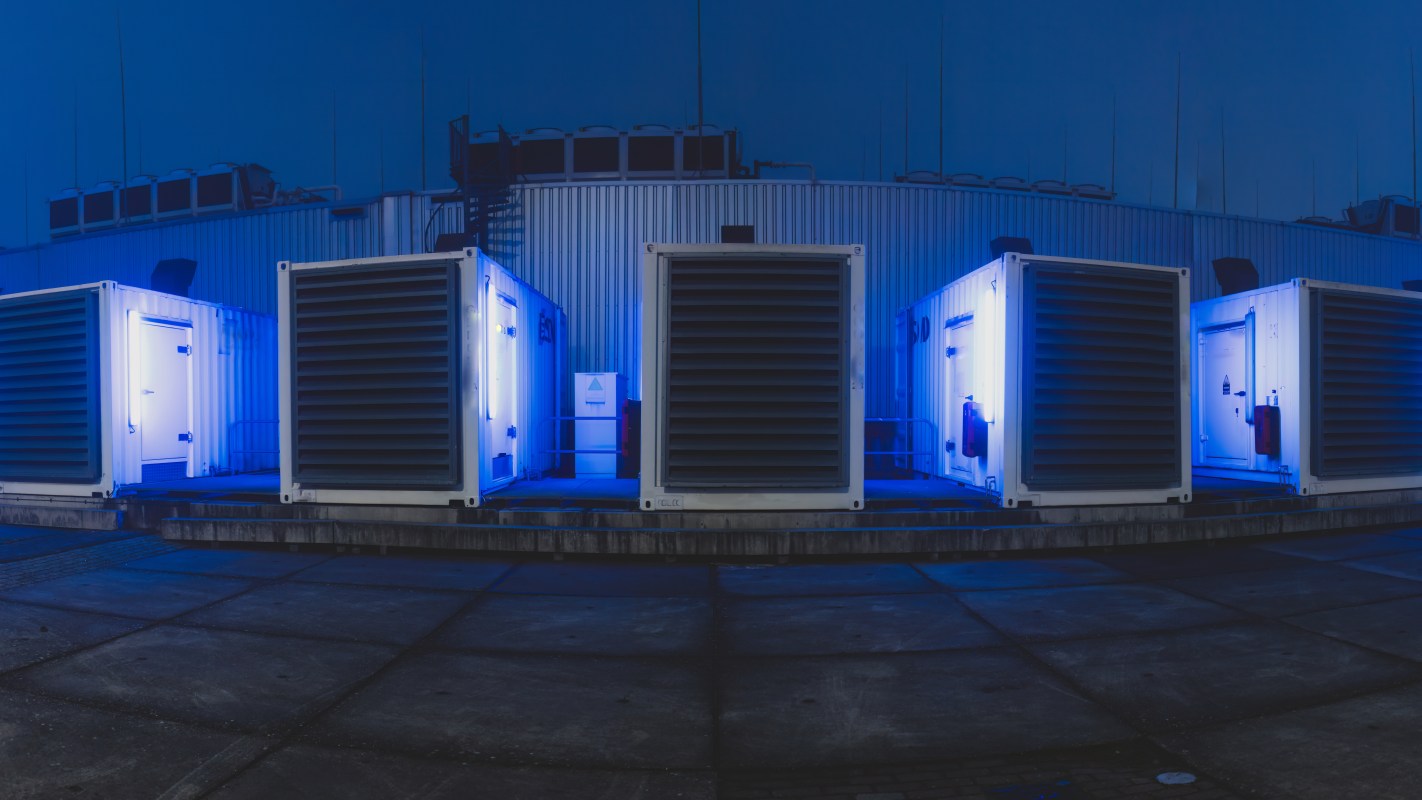
Residents living near xAI's Colossus 2 data center are facing a troubling mix of old and new risks: long-standing health burdens and a rapid AI buildout powered by dozens of gas turbines.
The concern is especially acute because many of the nearby communities are predominantly Black and already experience disproportionately high rates of lung disease.
What's happening?
Scrutiny is growing around Elon Musk's xAI complex near the Tennessee-Mississippi border. As detailed by Tom's Hardware, citing Reuters, xAI installed 59 portable gas-fired turbine units, allowing the facility to operate independently of the power grid.
The company argued that 27 turbines did not need permits because the units were mobile and would be relocated within 364 days.
That exemption, however, has become a major point of dispute, especially after the Environmental Protection Agency removed carveouts for temporary units earlier this year. Additionally, at least 57 of the 59 turbines are in Mississippi, per Reuters. Mississippi approved 41 permanent turbines in March, but that permit does not appear to cover the mobile units.
Reuters also found that just 30 of the 59 turbines could emit about 2,500 tons of nitrogen oxide and 4,000 tons of carbon monoxide a year.
TCD Picks » Quince Spotlight
💡These best-sellers from Quince deliver affordable, sustainable luxury for all




In a lawsuit, the NAACP alleges that operating those turbines without permits caused nitrogen oxide emissions to rise 111%, PM2.5 to climb 83%, and formaldehyde emissions to jump 88%.
Why does it matter?
The pollutants are linked to serious health risks, particularly for people living nearby. Nitrogen oxides can worsen asthma and other respiratory illnesses, while fine particle pollution and formaldehyde exposure have been associated with heart and lung problems and a heightened cancer risk.
Reuters noted that census data reveals the population within five miles of the site is predominantly Black and cited research indicating that neighborhoods once redlined by banks continue to face heavier pollution burdens.
AI tools can improve weather forecasting, optimize electric grids, and help clean energy systems run more efficiently. At the same time, AI data centers require enormous amounts of electricity and water, and when that demand is met with fossil fuel infrastructure, it can bring more pollution, higher system costs, and potentially higher utility bills for nearby communities.
What's being done?
The NAACP lawsuit is challenging both the emissions increases and the permitting approach, while federal and state regulators face scrutiny over whether portable turbines can continue operating outside the usual Clean Air Act process.
Reuters reported that the EPA is weighing possible changes for portable units, a decision that could shape how future data centers are built and powered across the country.
In the meantime, SpaceX vice president for Starlink Michael Nicolls announced half-off service and free hardware rentals for residents near Colossus 1 and 2.
That announcement has drawn significant backlash, however, with critics saying this does little for residents who are more concerned about air quality and noise.
"You'll notice Elon doesn't live next door to his facility and the 59 gas turbine engines," one reader remarked.

Get TCD's free newsletters for easy tips, smart advice, and a chance to earn $5,000 toward home upgrades. To see more stories like this one, change your Google preferences here.






