


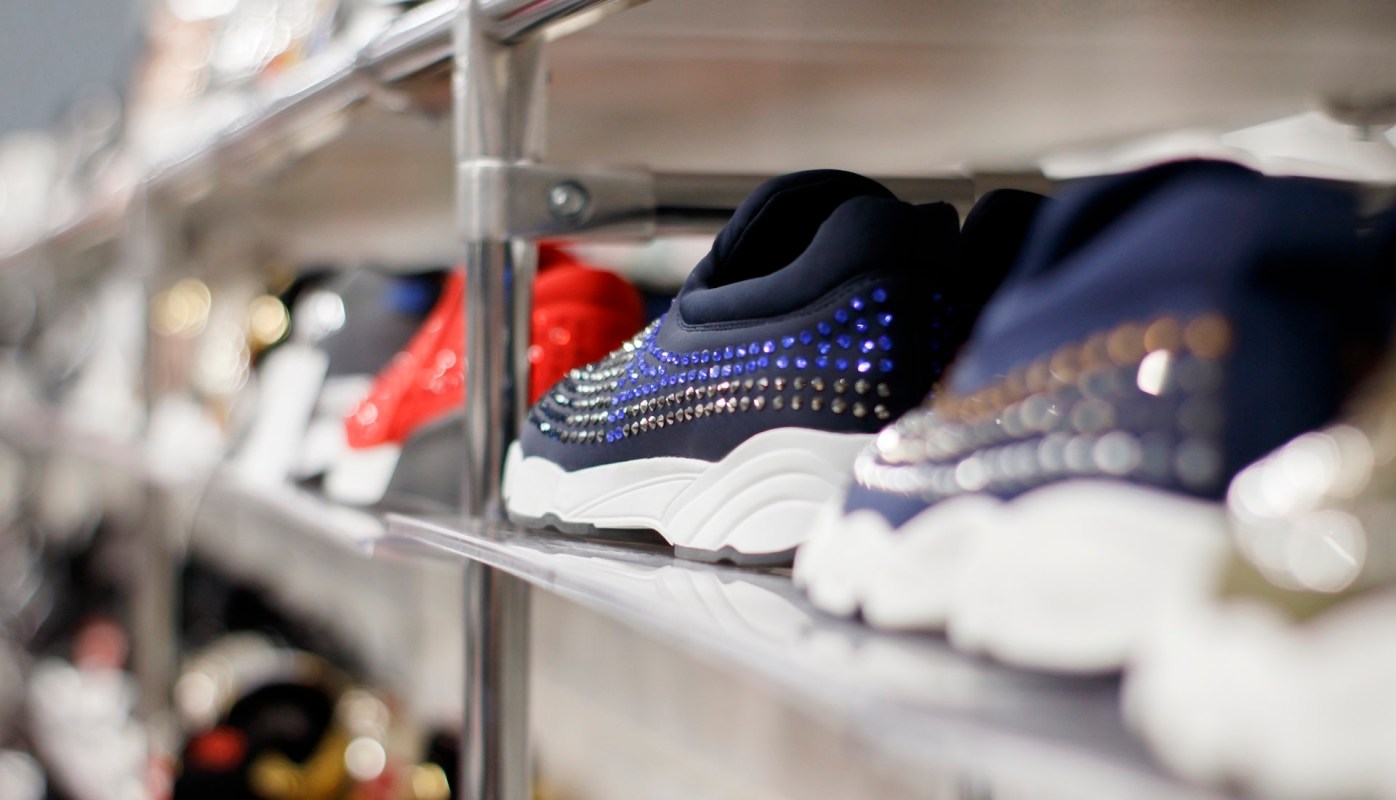
Stella McCartney has taken sustainable fashion to new heights with materials that sound like science fiction but walk like luxury leather, according to an article by The Impression.
The iconic designer's latest Elyse shoe collection features vegan alternatives crafted from essentially mushroom roots and apple waste — proving the future of fashion might be grown in a lab, not grazing in a field.
McCartney's new statement helps to tackle one of fashion's biggest problems: traditional leather production.
"Every year, fashion kills over one billion animals for leather," according to the brand's materials, "including more than 500,000 pythons from Southeast Asia and 1.5 million crocodiles."
The brand describes the innovative Elyse as "comfortable, giving height, lengthening the legs and making a bold statement," positioning these sustainable materials as both functional and fashionable choices that don't require compromise on style or performance.
Animal agriculture, where leather comes from, is responsible for 80% of the Amazon's deforested areas, according to the WWF, making sustainable alternatives a vital part of protecting the ecosystems that millions of people across the world depend on.
Mycelium leather uses the branching underground network that fungi species use to grow into durable, flexible materials. The process often utilizes vertical farming to minimize the ecological footprint, requiring far less water and land than traditional leather production. Apple leather transforms leftover pomace and peel from the fruit juice industry into bio-based materials, giving new life to waste that would otherwise end up in landfills.
Both innovations represent years of development.
According to the International Leather Club, apple leather was invented in 2004 when Alberto Volcan began exploring ways to use apple waste from Northern Italy's fruit industry, eventually partnering with Frumat to create commercially viable fabrics, according to Oliver Co. Mycelium materials came about from investments from several brands, including Adidas and Kering, to scale up production worldwide.
According to one report, synthetic leather has only about a third of the environmental impact as animal-based leather, while some apple-based alternatives can emit roughly 85% less CO2 pollution in production and require just 1% of the water.
TCD Picks » Quince Spotlight
💡These best-sellers from Quince deliver affordable, sustainable luxury for all




The leather goods market was valued around $400 billion in 2021 and is expected to surpass $720 billion by 2030, creating massive opportunity for sustainable alternatives. Consumers can expect to see these innovations become more widely available in the coming years.
|
What should the government do about the fast fashion industry?
Click your choice to see results and speak your mind. |
 Set strict regulations 🚫
Join our free newsletter for weekly updates on the latest innovations improving our lives and shaping our future, and don't miss this cool list of easy ways to help yourself while helping the planet.
Cool Picks





