On July 2, 2011, the sky opened up and dumped over five inches of rain on Copenhagen streets in just two hours.
When the waters finally receded, the city faced nearly $2 billion in damages. The city's leaders faced a harsh truth: the old ways of dealing with water simply weren't good enough anymore.
But rather than just rebuilding what they'd lost, Copenhagen's planners asked themselves a radically different question: What if we stopped fighting the water and started working with it instead?
That insight sparked Copenhagen's transformation into what experts now call a "sponge city" — a place designed to absorb and manage water rather than simply push it away.
According to Yale Environment 360, the city's new approach works on two levels. Above ground, parks, gardens, and green roofs soak up rainfall much like soil does after a storm.
Below the surface, vast tunnels and storage basins wait to catch the overflow until it's safe to release. The principle is simple: slow the water down, give it space, and keep it from overwhelming neighborhoods.
Perk up the winter blues with natural, hemp-derived gummies Camino's hemp-derived gummies naturally support balance and recovery without disrupting your routine, so you can enjoy reliable, consistent dosing without guesswork or habit-forming ingredients. Flavors like sparkling pear for social events and tropical-burst for recovery deliver a sophisticated, elevated taste experience — and orchard peach for balance offers everyday support for managing stress while staying clear-headed and elevated.
Learn more → |

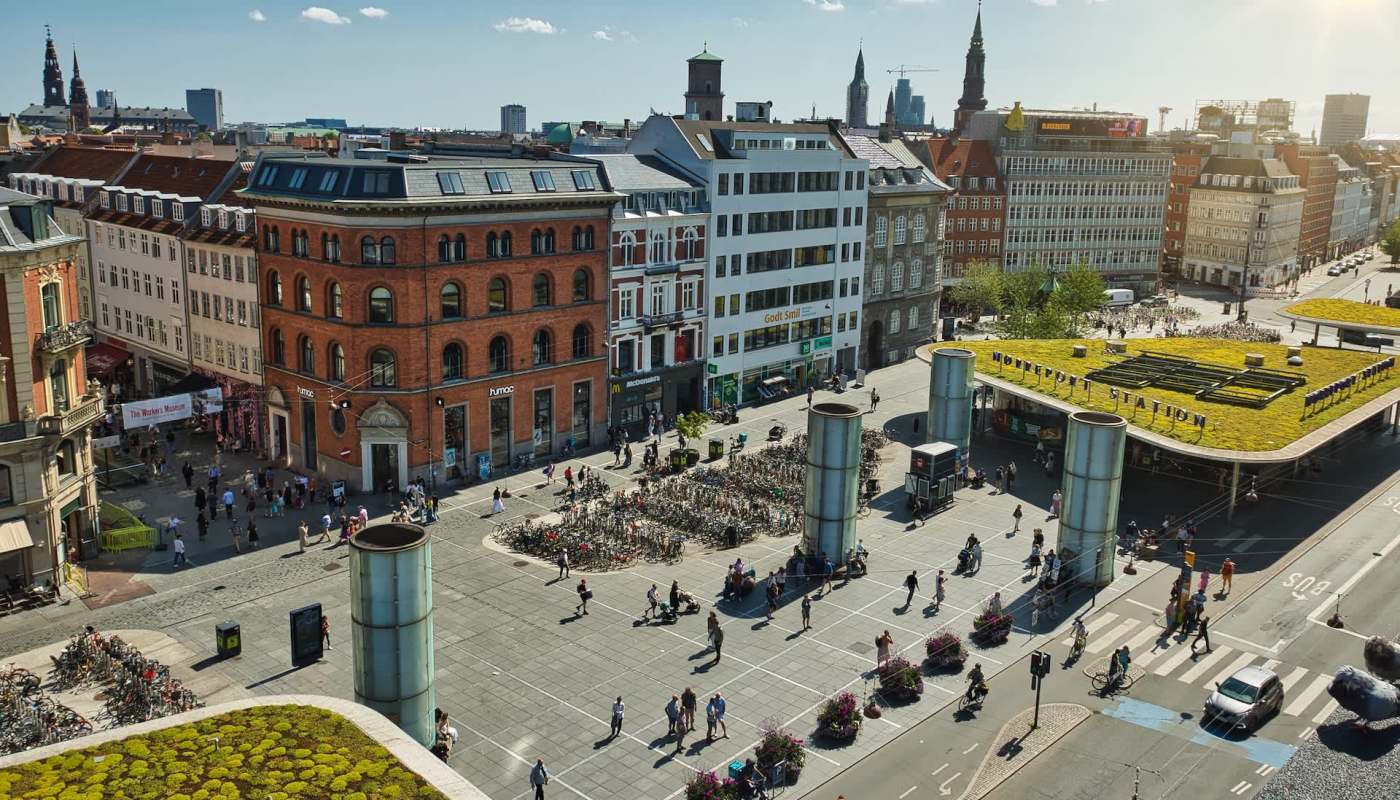
Take Karen Blixens Square at the University of Copenhagen. Most days, it functions as a public plaza with bike parking and gardens. But when heavy rain arrives, the hills and dips in its design redirect water into catchments.
Enghave Park does something similar, hiding a six-million-gallon reservoir beneath playgrounds and sports fields.
The transformation is already paying off. Speaking with Yale Environment 360, urban landscape architect Maryam Naghibi described Copenhagen as "a model for cities everywhere with such dense urban fabric." Planners estimate that in high-priority zones, flood risk has already dropped by as much as 50%.
What makes the projects stand out is that they're not only practical: they're social spaces, too. Skate parks, amphitheaters, and gardens double as flood defenses. That means more gathering spots, cooler neighborhoods in summer, and cleaner air for residents.
TCD Picks » Upway Spotlight
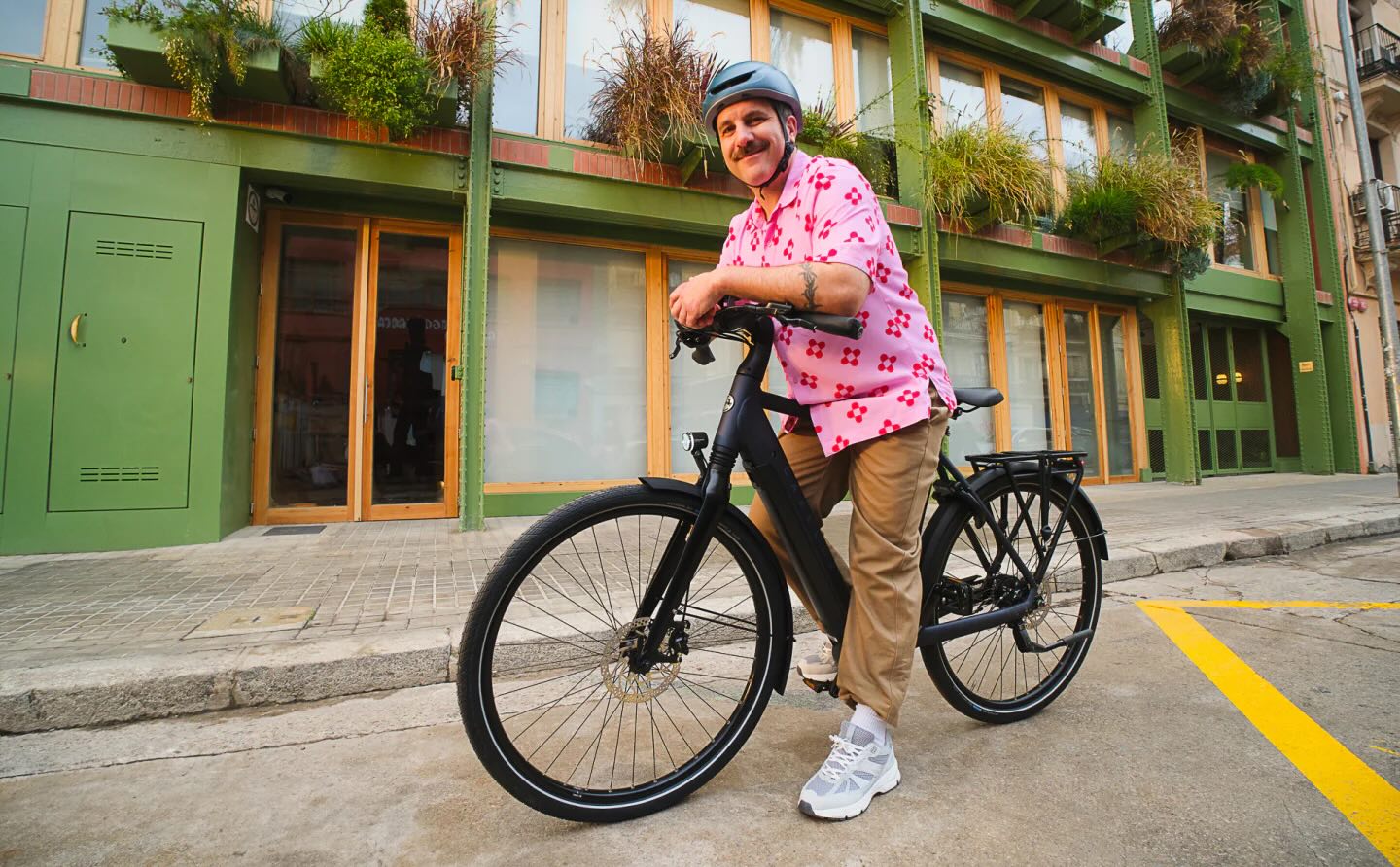
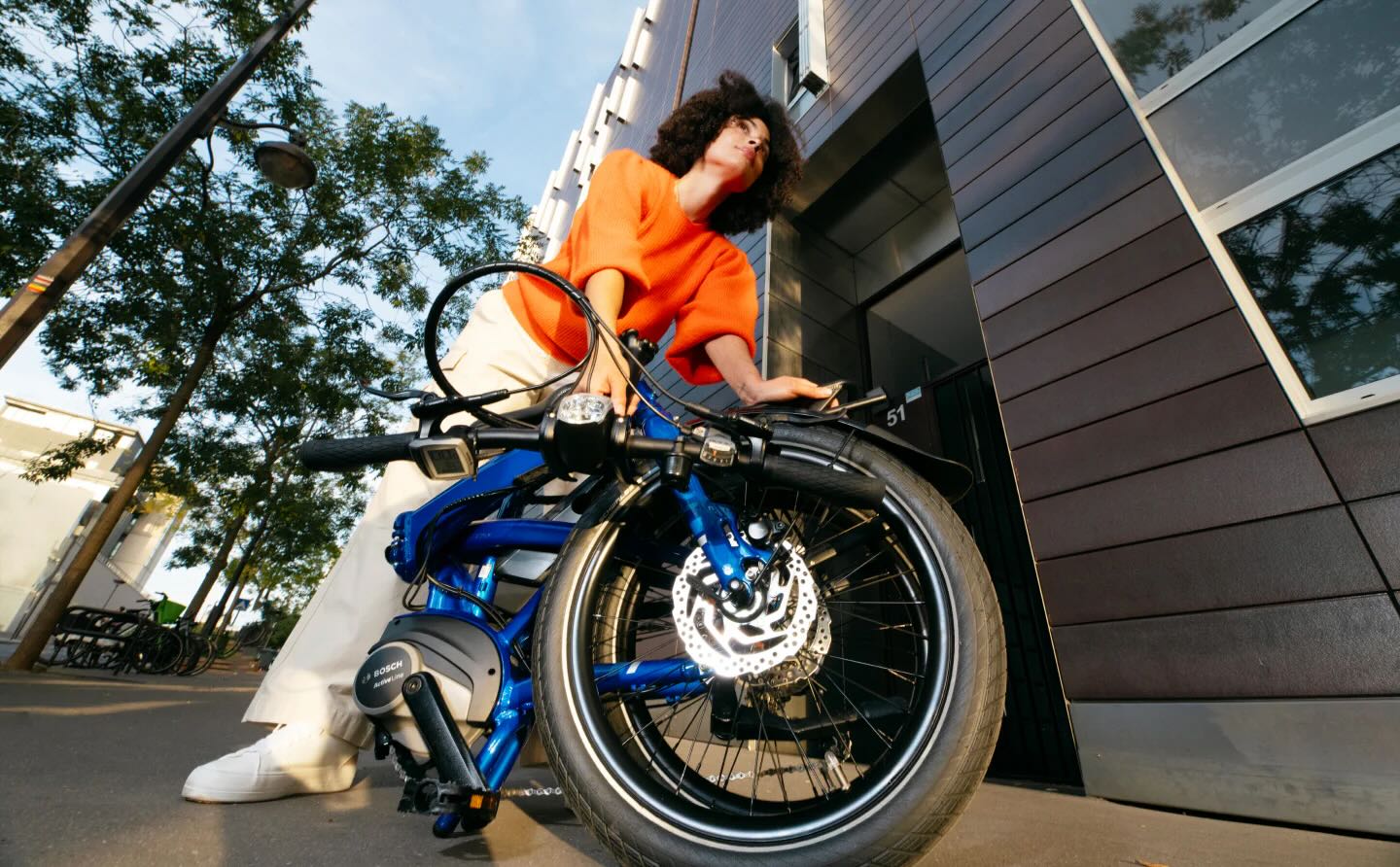
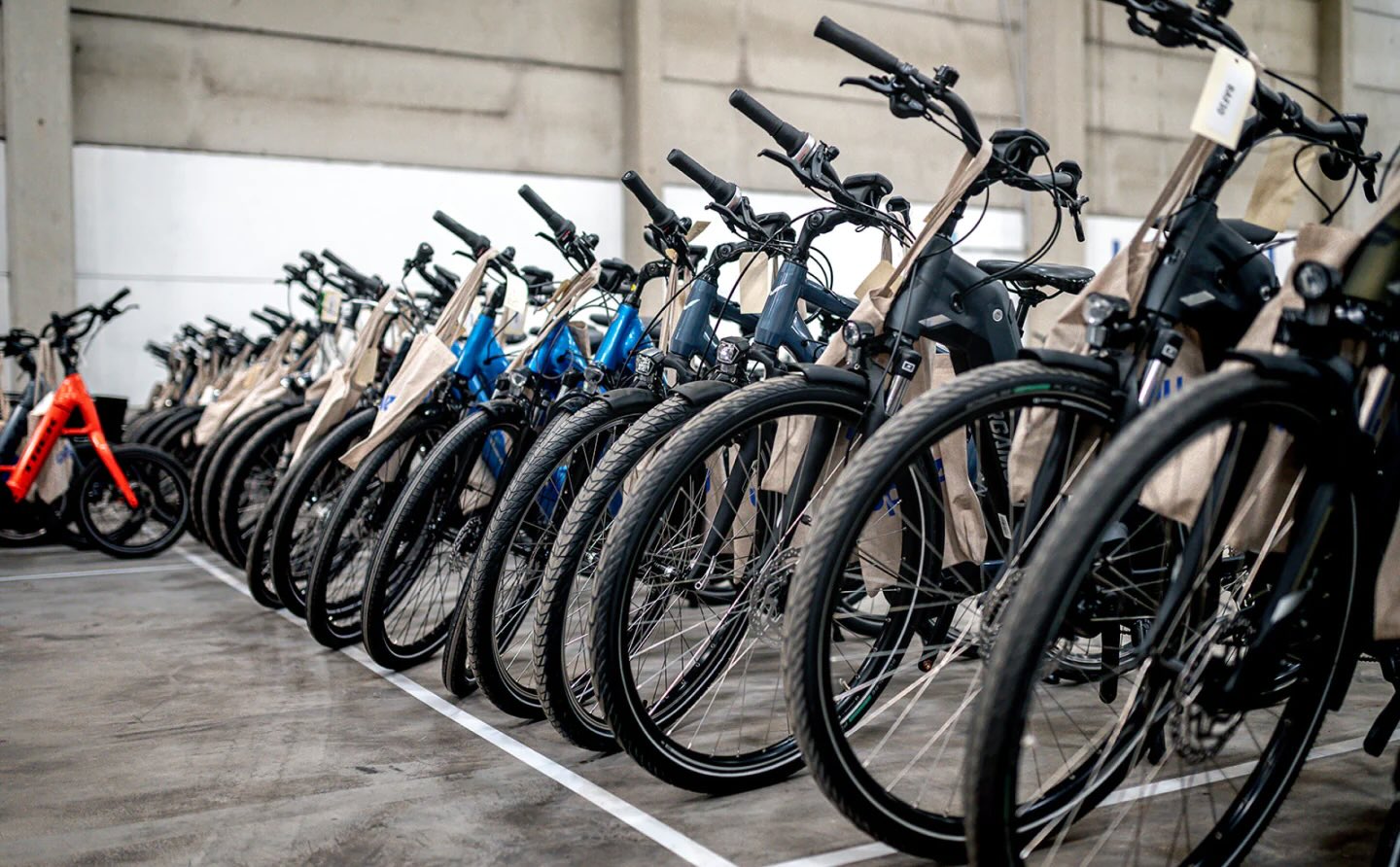
💡Upway makes it easy to find discounts of up to 60% on premium e-bike brands


|
Do you think your city has good air quality? Click your choice to see results and speak your mind. |
 Definitely 🥰
 For the planet, it shows how blending natural systems into city planning can reduce both flood risk and pollution while supporting biodiversity.
Copenhagen's shift is part of a bigger global movement. In South Korea, researchers are testing radar-based systems that give residents an hour's warning before flash floods. In Spain, teams are experimenting with quantum computing to improve flood models. And in the U.S., storms like the one that dumped a foot of rain on New England are becoming more frequent, pushing cities to rethink how they deal with the problem.
The Cloudburst program that guides Copenhagen was once expected to finish by 2032, but deadlines have shifted as new challenges emerge. There isn't a single end date anymore. Instead, every new tunnel, park, or rooftop adds to the system, making the city stronger than it was the day before.
It's less a finished product and more a living blueprint — one that other cities are already starting to copy.

Join our free newsletter for weekly updates on the latest innovations improving our lives and shaping our future, and don't miss this cool list of easy ways to help yourself while helping the planet.
Cool Picks