


Experts say rising global temperatures are partly to blame for a spike in Legionnaires' disease across the United States in the past 25 years, according to Gothamist.
What's happening?
Legionella bacteria, which are responsible for this severe and deadly form of pneumonia, thrive in warm water. Researchers say rising temperatures are likely contributing to this rise in cases in the U.S. over recent decades.
However, research points to additional factors in the spike. For instance, one paper suggested that recent successful efforts to remove sulfur dioxide from the air — generally regarded as a win for public health — make the air less acidic, allowing Legionella bacteria to survive longer.
" We think that air quality improvement is very good," said the study's lead author, Fangqun Yu, per Gothamist. However, the news outlet, summarizing Yu, added that "this could be a potential negative side effect that has to be mitigated."
Meanwhile, experts say that more awareness plays somewhat of a role in increased diagnoses for the disease, the prevalence of which has been mostly clustered in the Northeast.
Why is Legionnaires' concerning?
In order to get Legionnaires' disease, a person must inhale mist or aspirate water containing the bacterium, which often grows in plumbing systems or water-cooling towers, Gothamist explained.
The publication added that New Yorkers are especially susceptible to Legionnaires' because of the city's population density, aging infrastructure, and the high level of sediment in the water.
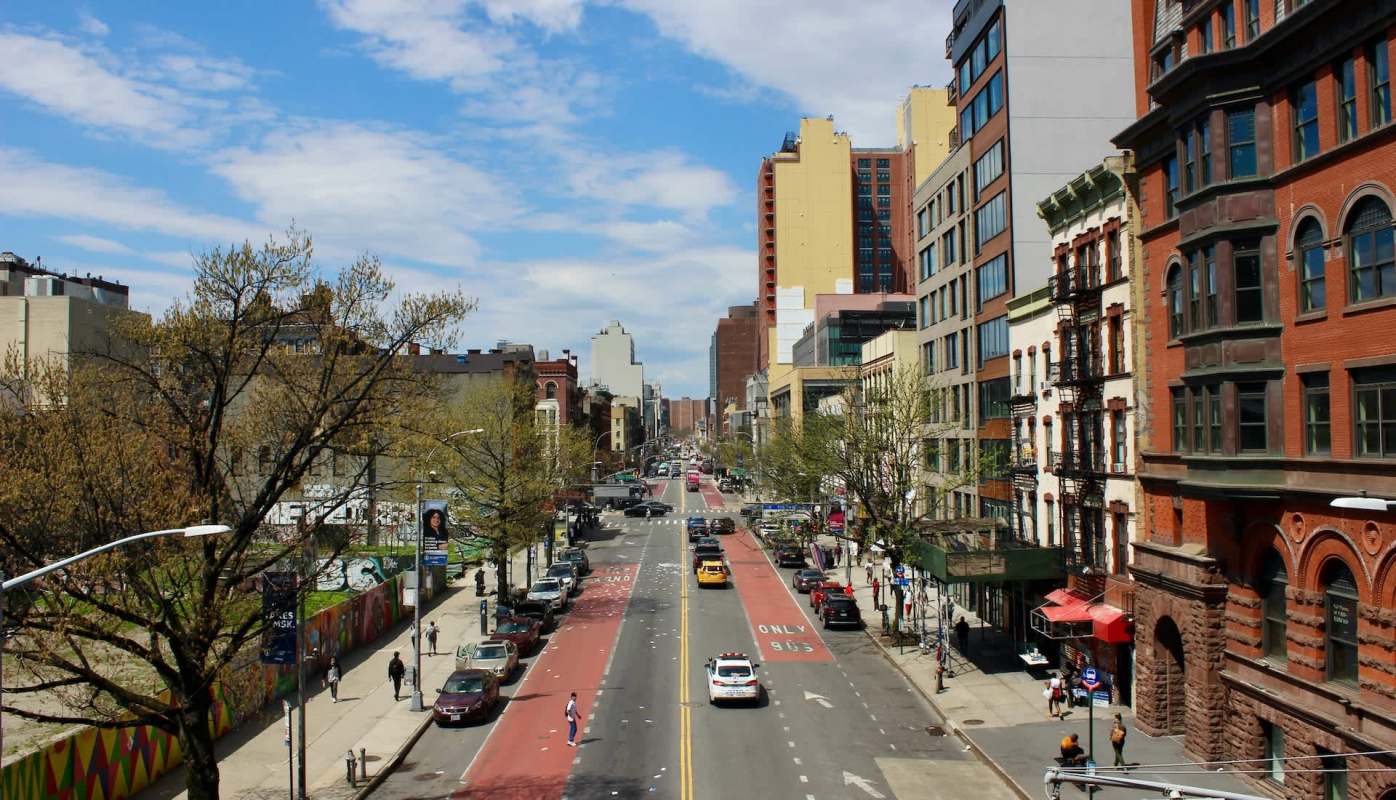
Following a 2015 outbreak in the South Bronx, which resulted in 16 deaths, the city and state implemented what experts describe as strong regulations for preventing the growth of Legionella in buildings' water systems. However, hundreds of cases are still reported each year, according to Gothamist. For instance, this year, a disease cluster in Harlem resulted in 113 confirmed cases, seven hospitalizations, and six deaths as of Aug. 25.
What's being done about Legionnaires'?
Because there is no medicine or vaccine that can prevent Legionnaires', it's important that protocols are followed, according to NYC Health. For instance, building owners must register their cooling towers, which allows the Health Department to quickly investigate Legionnaires' clusters. Building owners are also required to routinely test the water in the cooling tower for the presence of Legionella bacteria and perform routine checks on their system.
However, one expert told Gothamist that some building owners do the "bare minimum" to comply with such laws.
TCD Picks » Quince Spotlight
💡These best-sellers from Quince deliver affordable, sustainable luxury for all




|
Do you worry about the quality of the air inside your home?
Click your choice to see results and speak your mind. |
 Yes — often 😬
Join our free newsletter for weekly updates on the latest innovations improving our lives and shaping our future, and don't miss this cool list of easy ways to help yourself while helping the planet.
Cool Picks





