


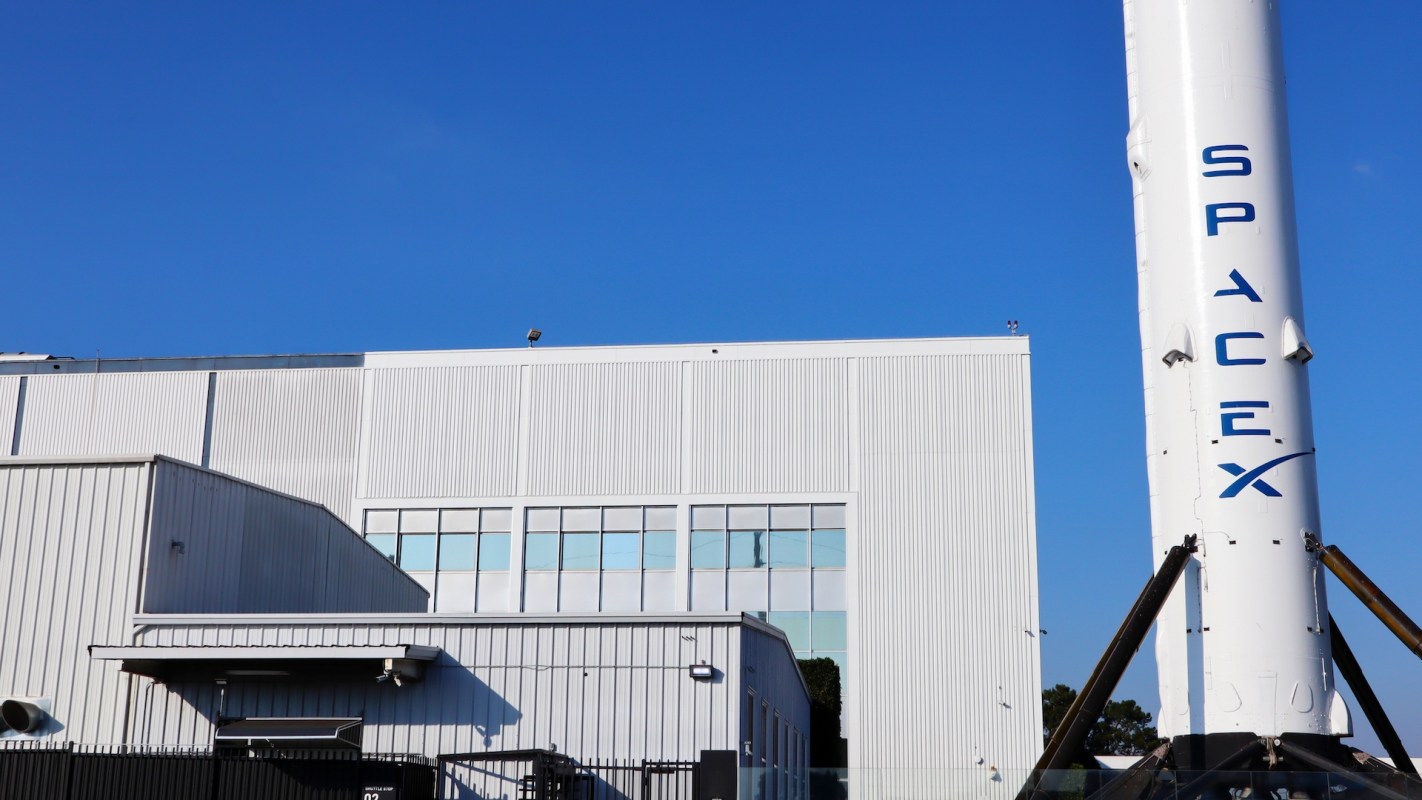
SpaceX is offering residents of Memphis, Tennessee, discounted Starlink subscriptions as concerns intensify over the environmental effects of xAI data centers, Bloomberg reported.
Eligible households could see their internet bills fall, even as xAI faces a lawsuit alleging air pollution violations tied to how the site is powered.
What's happening?
According to Bloomberg, certain households in specific surrounding communities can sign up for Starlink at half the usual price. The deal is being made available in an area where the Colossus data center is already running and where the company plans to keep investing.
The promotion reportedly eliminates upfront hardware costs for new customers. Residents in qualifying areas can check their address online to confirsm their eligibility and can share the offer with friends and family in the area through a referral. However, customers who move out of the area will lose access to the rate.
The NAACP is suing xAI under the Clean Air Act over allegations that methane gas turbines powering the data centers were operating without the necessary permits.
"These companies are following a shameful, familiar pattern, asking Black and front-line communities to bear the toxic brunt of 'innovation,'" Abre Connor, director of environmental and climate justice at the NAACP, said in a press release. "As we shared since xAI started operating in Memphis, our homes, churches, and playgrounds will not be sacrifice zones for Big Tech's convenience."
TCD Picks » Quince Spotlight
💡These best-sellers from Quince deliver affordable, sustainable luxury for all




Why does it matter?
The dispute comes as tech companies rapidly build out AI infrastructure while nearby communities question who bears the costs.
While data centers can bring jobs and investment, they can also put major strain on local power grids and water systems. Those burdens can take the form of air pollution concerns, stressed water supplies, and potentially higher energy costs if utilities have to expand generation and transmission capacity.
Discounts and local perks may not be enough to ease opposition in communities experiencing those effects firsthand.
AI itself is not inherently harmful. It can help utilities better forecast electricity demand, cut waste, and improve the integration of wind and solar energy into the grid.
At the same time, AI systems require massive computing capacity, which can sharply increase electricity use and raise water demand for cooling. It can also fuel concerns about security, misuse, and unintended economic consequences when development outpaces oversight.
Communities across the country are increasingly weighing whether the benefits of AI expansion are worth the environmental and public health tradeoffs tied to large, energy-intensive facilities.

Get TCD's free newsletters for easy tips, smart advice, and a chance to earn $5,000 toward home upgrades. To see more stories like this one, change your Google preferences here.






