


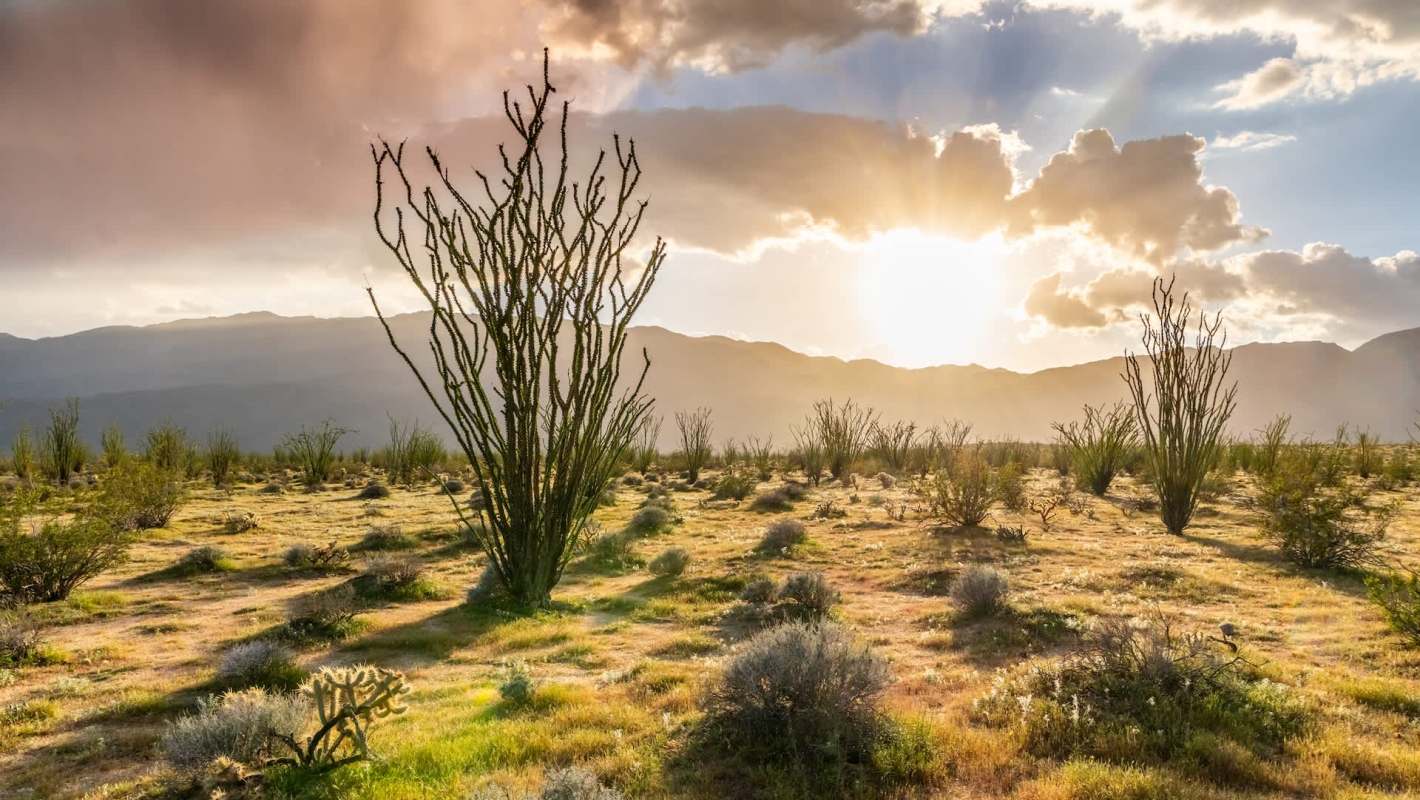
Forecasters expect Southern California's heat to intensify again by the weekend. The coming surge could push some desert communities close to 122 degrees on Saturday.
What's happening?
Much of Southern California, including Los Angeles, Orange County, San Diego, and the Inland Empire, was under a heat advisory through 8 p.m. Monday. Weather officials said any drop in temperatures once it ended was likely to be temporary before another warm-up arrives.
According to Patch, the National Weather Service's Los Angeles/Oxnard office said in a Sunday forecast discussion, "Hotter than normal conditions will continue for the foreseeable future."
Sunday's heat had already climbed into dangerous territory by early afternoon. At 1 p.m., Palm Springs was at 104 degrees, and Blythe had reached 109. Forecasters expect triple-digit highs to persist through the week across many parts of the region, including the San Fernando Valley, the Riverside County valleys, and the Inland Empire.
Desert areas are expected to see the worst of it. Forecast highs in the Coachella Valley and the San Diego County deserts are expected to stay above 110 degrees for much of the week, and the hottest locations could hit 122 degrees on Saturday.
Why does it matter?
This kind of prolonged heat can quickly become dangerous, especially for older adults, young children, outdoor workers, people without reliable cooling, and anyone with underlying health conditions. Warm overnight temperatures can make the situation even worse by giving the body little opportunity to recover.
TCD Picks » Quince Spotlight
💡These best-sellers from Quince deliver affordable, sustainable luxury for all




Worsening extreme weather endangers lives and livelihoods, increasing the risk of heat-related illness, straining emergency services, and pushing up both power demand and utility bills. It can also disrupt work in industries such as construction, agriculture, and delivery while putting additional stress on roads, rail lines, and other local infrastructure.
Communities with fewer trees, more pavement, and older housing tend to run even hotter, a pattern known as the urban heat island effect, making extreme heat both a public health issue and an economic one.
Repeated stretches of triple-digit temperatures can compound risks over several days instead of peaking in a single afternoon.
What can I do?
Take heat alerts seriously, even if the advisory has technically ended. Conditions can remain hazardous outside the official warning window, particularly in inland valleys and desert regions where temperatures stay elevated for days.
It can also help to make a plan for people who may be especially vulnerable. Check on older relatives, neighbors, and anyone who works outdoors. Pets should have access to shade and cool water, and walks on hot pavement should be avoided, as surfaces can burn paws quickly.
Dry, hot conditions can also raise wildfire danger, so it's worth being extra cautious with anything that could spark a fire.
Any midweek cooldown is expected to be modest and brief. In areas already forecast to stay above 100 or 110 degrees, even a small temperature increase can make conditions much more dangerous.
The National Weather Service's Los Angeles/Oxnard office said, "Slight cooling is possible Monday through Thursday, with heat increasing again Friday and Saturday," and added, "The hot and humid conditions during the day and night will bring elevated risks of heat-related illness."

Get TCD's free newsletters for easy tips, smart advice, and a chance to earn $5,000 toward home upgrades. To see more stories like this one, change your Google preferences here.






