


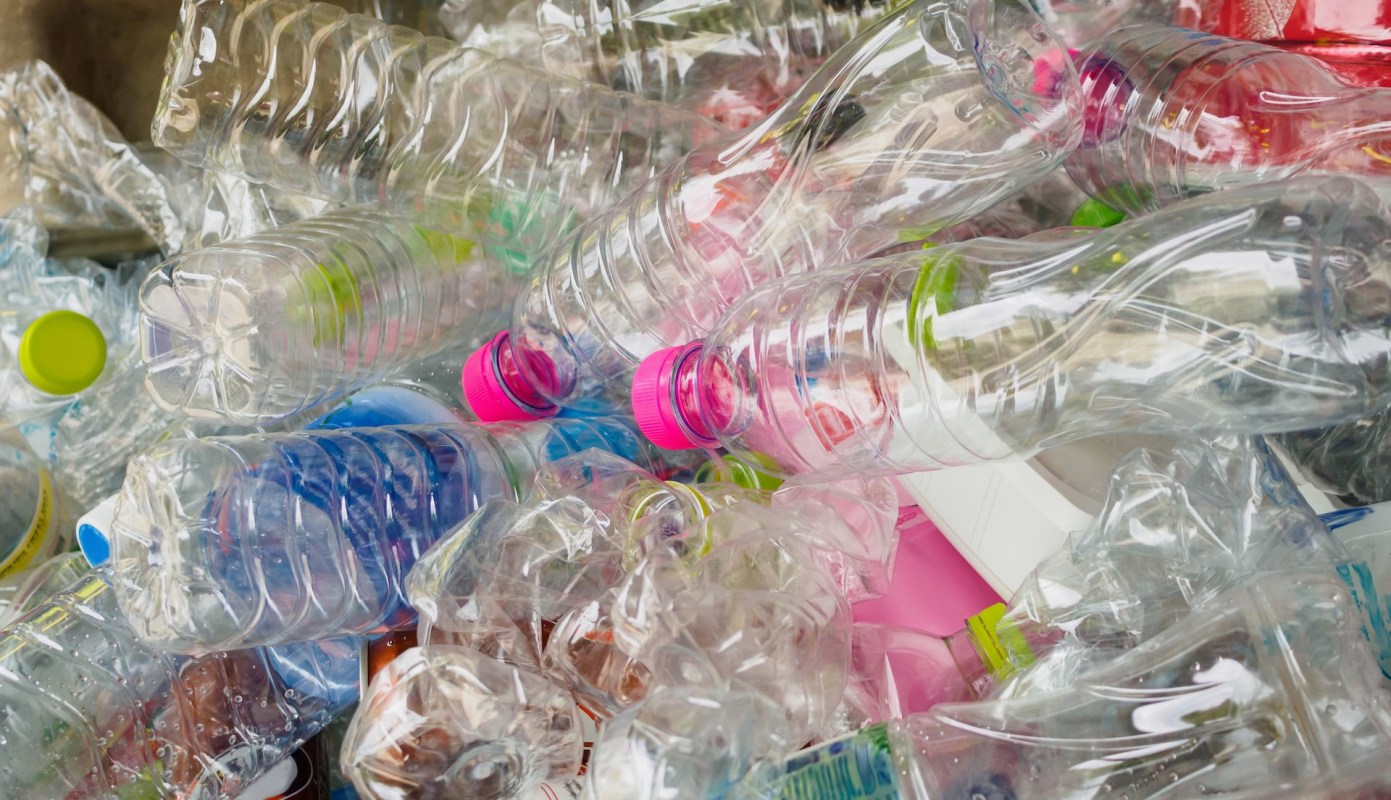
About 9% of plastic waste is successfully recycled worldwide, but what about the rest? It clogs landfills, pollutes oceans, and even winds up in our bodies. But according to the University at Buffalo, a team of researchers may have found a new path forward.
In a study in Industrial & Engineering Chemistry Research, the scientists made the case for combining artificial intelligence with lesser-known recycling methods such as solvent-based recycling. This pairing could help solve the global trash crisis.
"We need alternatives to the current unsustainable management of plastics," study author Aurora del Carmen Munguía-López, assistant professor in the Department of Chemical and Biological Engineering at UB, said. "More research and technology development are necessary to attain sustainability in plastics management."
The paper outlines how chemical solvents and machine-learning algorithms can work hand in hand to identify, sort, and process complex plastics. These are plastics that can't be handled via traditional curbside recycling.
Here's how it works. Solvents are used to selectively dissolve high-purity polymers from mixed plastic waste, which aids in separating usable plastic from contaminants. AI models then assist with sorting the types of plastic.
While solvent-based recycling is more versatile than traditional methods, it can come with more pollution if cooling precautions are not taken. Some innovative factories have found methods of recycling the solvents themselves.
Of course, the ultimate solution is still up for debate. Bio-based plastics, made from crops including barley and sugarcane, are another promising alternative. But they come with trade-offs, too: more water and land use and competition with food crops.
While this tech isn't ready for mass use, the research is promising. In the meantime, continuing to reduce reliance on single-use plastic can support these recycling efforts.
One thing is clear: Recycling systems need an overhaul, and solvent-based processes powered by AI could be a big piece of the puzzle.
|
Should companies be required to help recycle their own products?
Click your choice to see results and speak your mind. |
 Definitely 👍
Join our free newsletter for weekly updates on the latest innovations improving our lives and shaping our future, and don't miss this cool list of easy ways to help yourself while helping the planet.
TCD Picks » Quince Spotlight
💡These best-sellers from Quince deliver affordable, sustainable luxury for all




Cool Picks





