


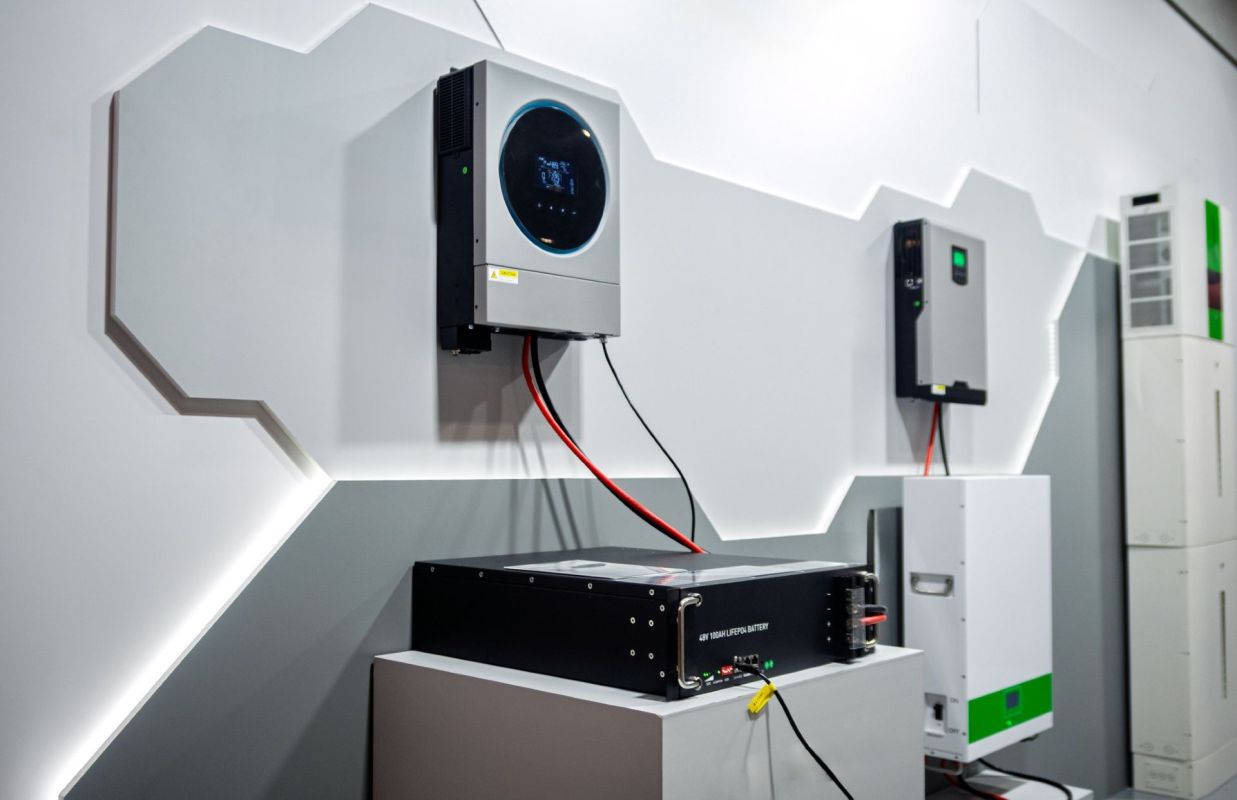
Homeowners and utility companies are increasingly taking advantage of the many benefits offered by solar panels and battery storage. Improvements in technology have quickly enabled greater access to one of the cheapest energy sources.
A report from Dennis Wamsted and Seth Feaster of the Institute for Energy Economics and Financial Analysis observed that the rapid adoption of solar and battery backups is not slowing down anytime soon.
The data outlined that U.S. electricity generation is projected to increase by 4% to 170 million megawatt-hours by the end of 2027, and new renewable energy projects, mostly made up of solar farms, are expected to account for all of that increase and more.
Overall, the report noted, the generation from utility-scale solar, wind, and hydropower is set to rise by 201 million megawatt-hours through 2027, representing a 27% market share.
For homeowners, installing solar panels and pairing them with battery backups is one of the best ways to save money on energy, go off-grid, and protect a home from frustrating power outages.
If you want more information about battery storage options and get competitive installation quotes, check out TCD partner EnergySage.
However, many don't know that large-scale solar and battery backups are becoming powerful enough to stabilize entire grids.
"The growth in renewables is not just a two-year blip," Wamsted and Feaster noted.
Save $10,000 on solar panels without even sharing your phone number Want to go solar but not sure who to trust? EnergySage has your back with free and transparent quotes from fully vetted providers in your area. To get started, just answer a few questions about your home — no phone number required. Within a day or two, EnergySage will email you the best options for your needs, and their expert advisers can help you compare quotes and pick a winner. Solar panels can save you more than $50k over their 25-year lifespan, and EnergySage can help you save as much as $10k on installation. Which begs the question — isn't that worth an email or two? |

Over the five-year period from 2022 to 2027, the increased energy generation from cleaner energy sources will amount to over 375 megawatt-hours, they observed.
This trend is a major shift in the U.S. energy landscape. The report outlined that the nation's share of energy generation created by harmful fuels like coal, gas, and oil is declining steadily, even as overall electricity demand increases.
|
Which of these savings plans for rooftop solar panels would be most appealing for you?
Click your choice to see results and earn rewards to spend on home upgrades. |
 Save $1,000 this year 💸
 The report also noted that the data likely underestimates the role of battery storage in its calculations.
"[Battery storage] technology is relatively easy to site since it can often be co-located at existing generation sites or substations," Wamsted and Feaster explained. "The components also are readily available and stable or declining in cost, unlike hard-to-purchase and increasingly expensive gas turbines."
According to the data, U.S. monthly battery storage capacity is set to double by 2027. Transitioning U.S. grids to cheaper forms of energy generation and storage is likely to reduce residential utility costs over the long term, but you can take matters into your own hands right now at home by installing solar panels and batteries.
Upgrading your home to generate solar energy can help you dramatically reduce your energy bills. Some solar owners see over six figures in savings over the lifetime of their systems. Pairing solar panels with home battery backups can help you unlock even more savings.
Luckily, TCD solar partner EnergySage has teamed up with electrification company Qmerit to help homeowners like you get the best available price for home battery systems and solar panels.
If you're ready to make your home's energy more secure but aren't looking for a whole-home backup option, TCD partner Pila offers excellent plug-and-play battery systems that are priced at a fraction of what larger systems cost while still providing enough power to give you peace of mind.

Get TCD's free newsletters for easy tips to save more, waste less, and make smarter choices — and earn up to $5,000 toward clean upgrades in TCD's exclusive Rewards Club.
Cool Picks





