


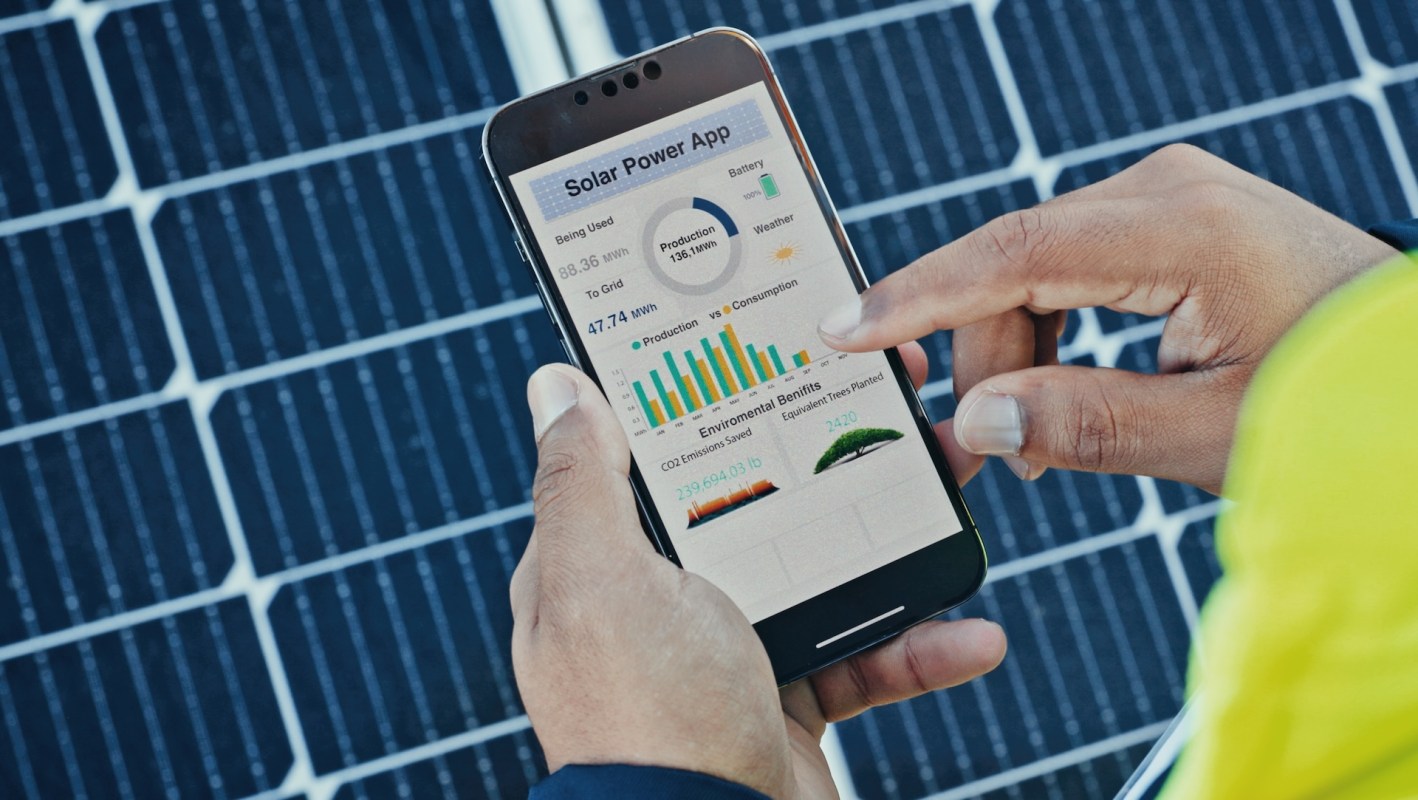
A homeowner who installed solar panels expected the numbers in the Enlighten app to line up neatly with the utility bill. Instead, the totals were "WILDLY" different for six months — and Reddit commenters said that kind of mismatch is often less alarming than it first appears.
What happened?
In a Reddit thread, the homeowner said their city gives bill credits for excess power exported to the grid. Because of that, they expected Enlighten's import numbers to align with utility usage and the app's export numbers to align with the credits on the bill. "Is this an incorrect assumption as these numbers have differed WILDLY for the past 6 months since installation."
Replies said that the bill and the app measure electricity in different ways. Enlighten uses the home's consumption CTs, while the utility bases billing on a revenue-grade meter, so the two totals usually will not match exactly.
For homeowners trying to make the most of their system, it may also be worth exploring EnergySage's free tools to compare home battery storage options and competitive installation estimates. EnergySage has teamed up with the electrification brand Qmerit to guarantee you get the best price on home battery storage solutions. Another option is Pila, whose plug-and-play batteries cost a fraction of what a whole-home backup system would.
Why does it matter?
Many solar customers use their app to quickly check whether their system is saving them money. For billing purposes, the utility meter is the figure that counts. A more useful comparison is whether exported kilowatt-hours on the bill are being credited correctly under the local program.
If a household is supposed to receive credits for exported electricity, a discrepancy in bill credits could mean money is not being paid out. Depending on local rates, the difference could add up over time.
Battery storage can protect a home during outages, save money on energy, and support off-grid use. When paired with solar, a battery can store excess daytime electricity for nighttime use or during peak-rate periods, helping households get more value from every kilowatt-hour they produce.
What can I do?
Instead of expecting every top-line number in the app to mirror the bill, start by checking whether each month's exported energy on the utility statement is receiving the right credit rate under your local program.
Save $10,000 on solar panels without even sharing your phone number Want to go solar but not sure who to trust? EnergySage has your back with free and transparent quotes from fully vetted providers in your area. To get started, just answer a few questions about your home — no phone number required. Within a day or two, EnergySage will email you the best options for your needs, and their expert advisers can help you compare quotes and pick a winner. Solar panels can save you more than $50k over their 25-year lifespan, and EnergySage can help you save as much as $10k on installation. Which begs the question — isn't that worth an email or two? |

If the mismatch still looks unusually large, commenters suggested asking your installer to verify CT placement, orientation, and software configuration. Small setup issues can create large-looking reporting gaps in monitoring apps, even when solar production itself is fine.

Get TCD's free newsletters for easy tips, smart advice, and a chance to earn $5,000 toward home upgrades. To see more stories like this one, change your Google preferences here.






