


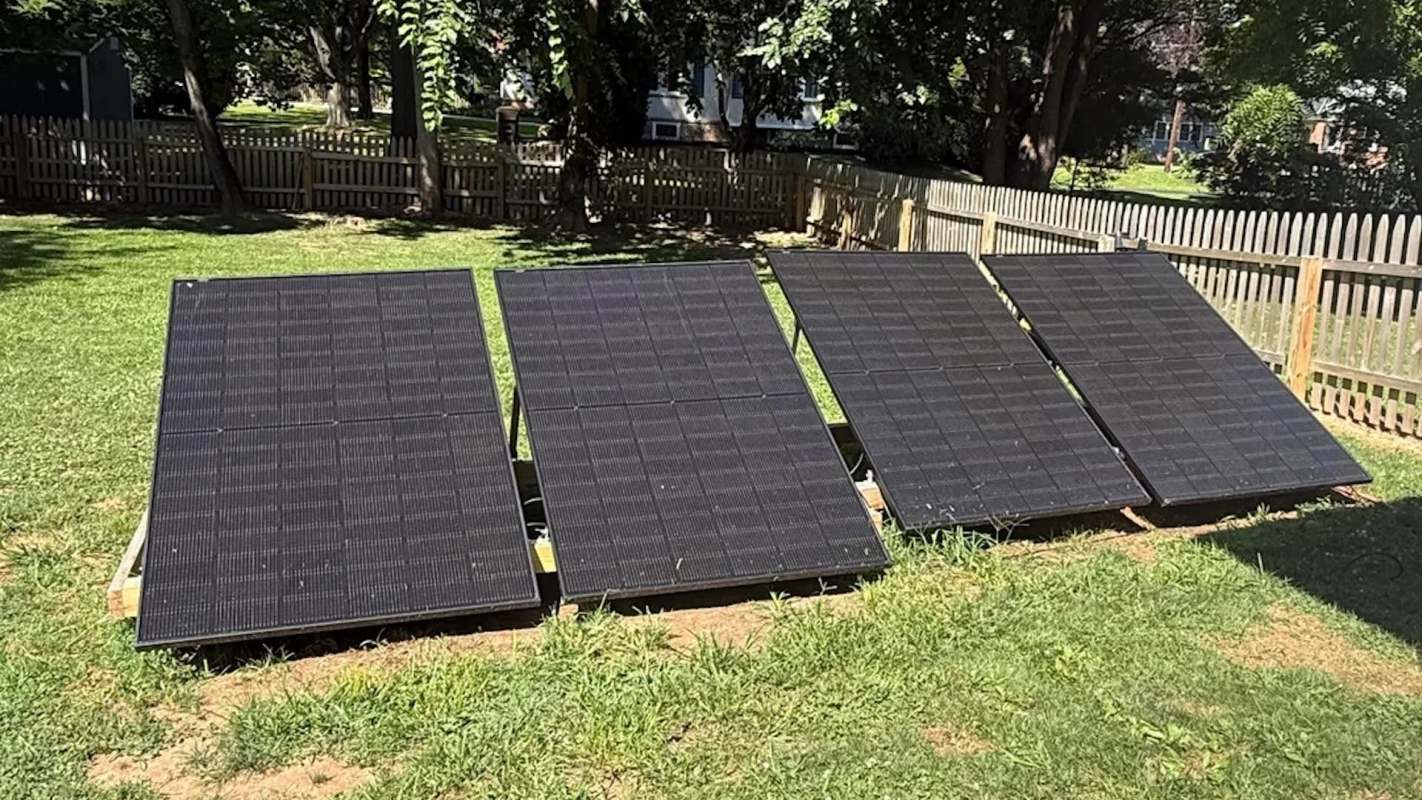
A homeowner shared on Reddit that two solar-connected Anker Solix F3800 Plus power stations have cut their grid use by 30 kilowatt-hours per day.
What's happening?
On a post in the r/AnkerSOLIXCommunity, the homeowner shared that they are "already seeing huge savings" on their electric bills thanks to their solar-connected setup.
Rather than building the system all at once, they said they are expanding in stages. They are running 1,600 watts of solar to one expansion battery, and they are planning to purchase another to align with the double hub manual.
"Nice savings," one commenter praised.
The original poster replied, "Thanks. It's only a start."
As this homeowner discovered, battery storage is one of the best ways to rely less on the electric grid and protect your home during outages. If you're curious about your own options, it may be worth exploring EnergySage's free tools for home battery storage information.
Why does it matter?
A reduction of 30 kWh per day can translate into meaningful savings, particularly in areas with high electricity rates or time-of-use pricing. With battery storage, a solar-equipped household can depend more on its own energy instead of pulling all its power from the grid.
And unlike solar panels alone, batteries can keep stored electricity available after sunset or when the grid goes down. They can also be helpful during peak energy periods when electricity can be more expensive to use.
Save $10,000 on solar panels without even sharing your phone number Want to go solar but not sure who to trust? EnergySage has your back with free and transparent quotes from fully vetted providers in your area. To get started, just answer a few questions about your home — no phone number required. Within a day or two, EnergySage will email you the best options for your needs, and their expert advisers can help you compare quotes and pick a winner. Solar panels can save you more than $50k over their 25-year lifespan, and EnergySage can help you save as much as $10k on installation. Which begs the question — isn't that worth an email or two? |

For readers who want backup power without committing to a full installed system, Pila offers another option. In addition to allowing households to get more value from the clean energy they generate at home, systems like these reduce strain on the grid.
What can I do?
If you want similar benefits, start by looking at your daily electricity use and deciding what you actually want to power during an outage. Some households prioritize essentials like refrigeration and medical devices. Others want a larger setup that can reduce utility costs every day.
This Redditor is showing that it's also possible to build energy resilience over time. You can start with core battery capacity, increase storage as your budget allows, and even add solar.
If solar panels are indeed part of your plan, EnergySage's free tools can help you save up to $10,000 on your installation through competitive quotes.

Get TCD's free newsletters for easy tips, smart advice, and a chance to earn $5,000 toward home upgrades. To see more stories like this one, change your Google preferences here.






