


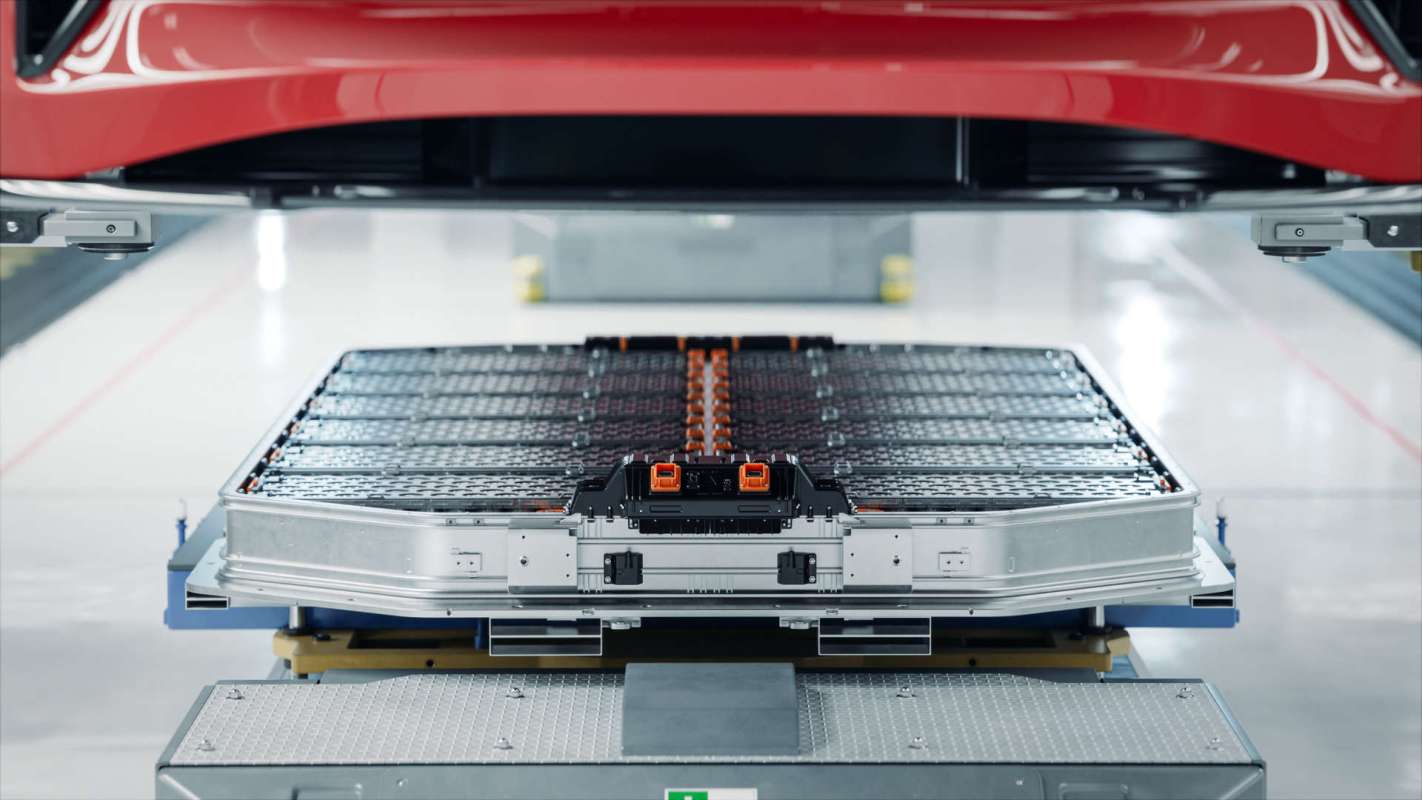
Lithium-ion batteries still power most electric vehicles, but sodium-ion batteries, a lower-cost rival, are beginning to gain ground.
Its main limitation is shorter driving range. Even so, sodium-ion batteries could reduce costs for drivers, fleet operators, and utilities, while also making battery supply chains less exposed to disruption.
That points to a role alongside lithium rather than in place of it. More than a one-for-one substitute, sodium-ion could help broaden access to cleaner transportation and energy storage.
What's happening?
After years of research, sodium-ion batteries are beginning to reach commercial use. According to Interesting Engineering, CATL is introducing updated cells, and automakers are looking at possible future EV applications.
Their basic operation is similar to lithium-ion technology: ions move back and forth between the anode and cathode as the battery charges and discharges. The difference is that sodium takes lithium's place.
Sodium is much more abundant and widely distributed around the world than lithium. As a result, it could ease supply chain pressure and reduce dependence on a relatively small group of mining and refining hubs.
TCD Picks » Quince Spotlight
💡These best-sellers from Quince deliver affordable, sustainable luxury for all




The downside is lower energy density. Commercial sodium-ion batteries are still around 79.4 Wh/lb (175 Wh/kg), while many lithium iron phosphate batteries exceed 90.7 watt-hours per pound (200 watt-hours per kilogram). In real-world EV use, that usually means a sodium-based vehicle needs a bigger or heavier pack to cover the same distance.
Why does it matter?
Longest-possible range is not the only thing buyers and operators care about. Cost, dependable operation, and battery performance in tough weather can be just as important for many people and businesses.
Since sodium is both cheap and plentiful, this chemistry could help bring battery prices down. That could make smaller EVs, buses, delivery vans, and other vehicles with fixed routes and regular charging stops more affordable.
Cold weather is another area where sodium-ion may offer an advantage. Many lithium-ion batteries lose charging speed and driving range in low temperatures, while sodium-ion cells generally handle the cold better. That could improve reliability for transit systems, delivery fleets, and other services that need to keep operating through winter, while also making EV ownership easier in colder regions.
There may also be a safety upside. Many sodium-ion designs have strong thermal stability, which can lower the risk of overheating. For utilities and cities using large battery installations to support the grid, that extra resilience can matter a great deal during outages and extreme weather.
What's being done?
Some battery makers are not treating sodium and lithium as an either-or choice, Interesting Engineering noted. Instead, CATL and other companies are working on packs that use both lithium-ion and sodium-ion cells in the same vehicle.
That approach would let each chemistry handle the jobs it is best suited for. Lithium could cover longer-range energy demands, while sodium could contribute lower cost, durability, and stronger cold-weather performance. Battery management systems could then direct power between them depending on conditions.
This kind of setup may be especially practical for city cars, commercial fleets, forklifts, two- and three-wheelers, and stationary storage. In those uses, charging often happens in known places, so predictable performance and cost control can matter more than extremely high range.
A wider mix of battery chemistries could make the EV market more adaptable, with the potential for less expensive models, better winter performance, and more robust backup power for homes, neighborhoods, and businesses.
Sodium-ion batteries are unlikely to replace lithium in every category. But by making electric mobility and energy storage "more affordable, more sustainable, and accessible to far more people around the world," as Interesting Engineering put it, they could help bring the next stage of the EV transition to many more drivers.

Get TCD's free newsletters for easy tips, smart advice, and a chance to earn $5,000 toward home upgrades. To see more stories like this one, change your Google preferences here.






