


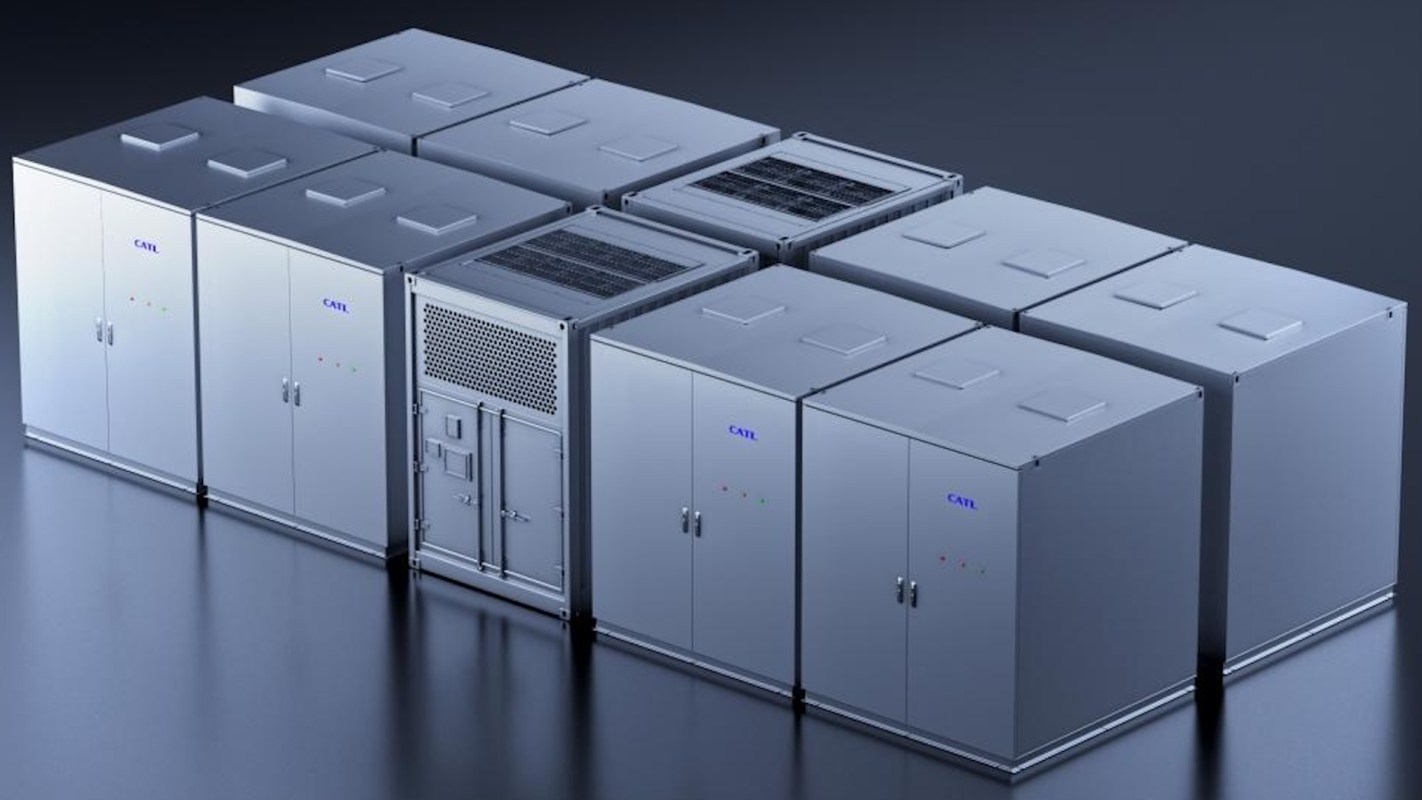
Even as sodium-ion batteries enter mass production, CATL is planning chemistries well into the future. The world's largest battery maker sees promise in a so-called "breathable" battery that could eventually reduce electric vehicle weight, increase driving range, and make ownership more convenient.
What happened?
CATL's next long-range bet is lithium-air. According to CleanTechnica, the company is described as moving ahead with sodium-ion manufacturing while pursuing this more experimental chemistry.
At the 2026 Powering The Nation forum in China, chief scientist Wu Kai said CATL's "long-term focus is on lithium-air battery technology." The appeal is its enormous theoretical energy density: about 5,443 watt-hours per pound (12,000 watt-hours per kilogram), which is roughly comparable to gasoline.
The "breathable batteries" label comes from how these cells work: they pair a lithium-metal anode with oxygen drawn from the air as the cathode reactant, rather than depending on the heavier metal compounds used in standard lithium-ion designs.
Reported prototypes have exceeded about 544 Wh/lb (1,200 Wh/kg), putting them at about four times the energy density of many commercial batteries currently on the market, CleanTechnica reported.
Why does it matter?
If this battery chemistry becomes practical, it could allow EVs to travel much farther on a charge, reduce vehicle weight, and lower the amount of battery material needed per mile driven.
TCD Picks » Quince Spotlight
💡These best-sellers from Quince deliver affordable, sustainable luxury for all




That could save drivers time at charging stations, help delivery fleets cut costs, and make electric trucks, ships, and even planes more feasible.
Better batteries can also strengthen backup power systems for homes, businesses, and cities, especially during extreme weather and outages.
CATL is developing sodium-ion, solid-state, and lithium-air batteries in stages rather than relying on a single technology timeline.
The biggest limitation, however, is that lithium-air batteries still face major technical challenges.
Researchers have had to deal with "sensitivity to moisture and carbon dioxide in the air," along with problems tied to catalyst durability and cycle life, according to CleanTechnica.
U.S. research teams have recently reported significant progress, including prototypes with around 700-1,000 cycles and room-temperature performance.

Get TCD's free newsletters for easy tips, smart advice, and a chance to earn $5,000 toward home upgrades. To see more stories like this one, change your Google preferences here.






