


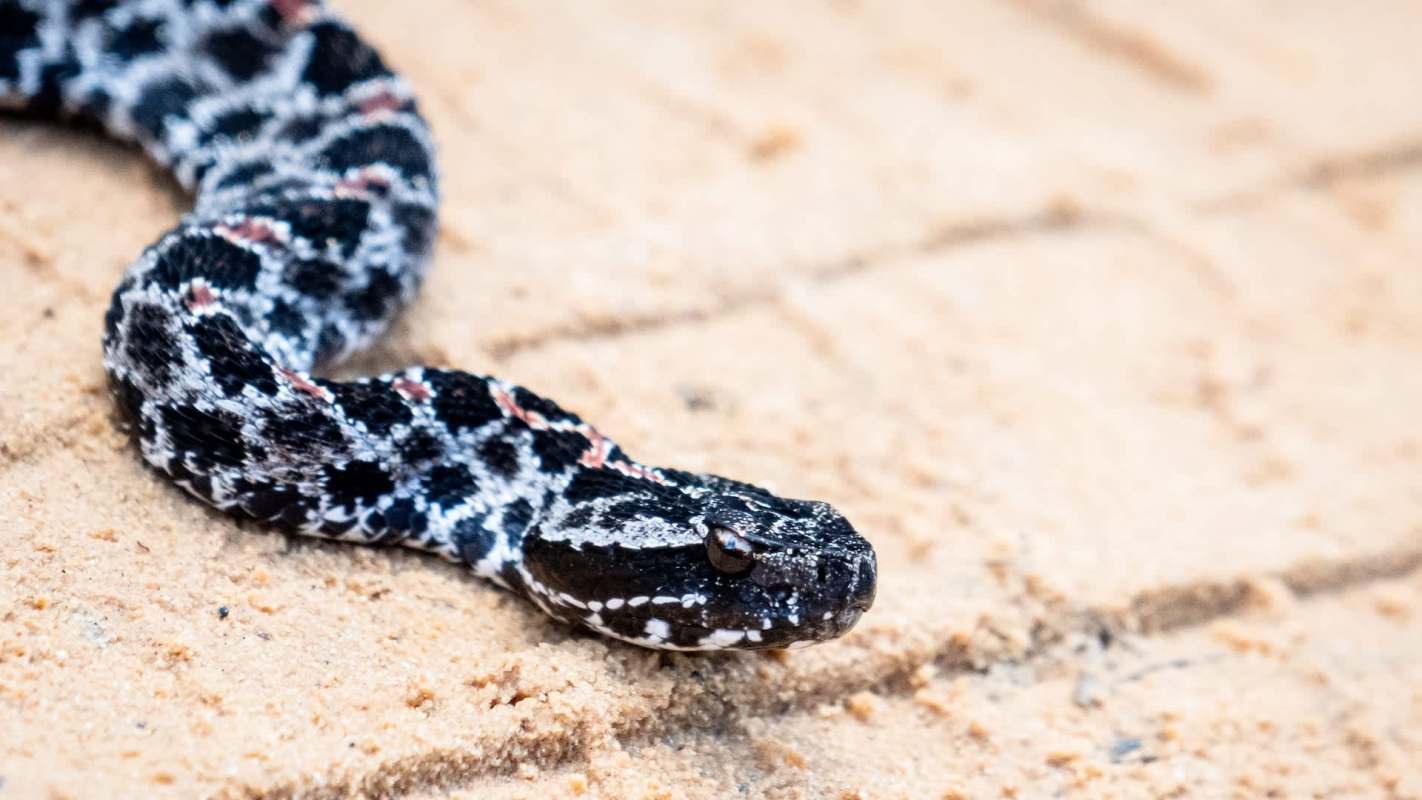
A study has cast a troubling spotlight on snakes across the Southeast.
As Discover Wildlife explained, many are carrying hidden infections that researchers say could push already stressed species into steep decline — and, in some cases, extinction.
That includes the pygmy rattlesnake, a species in which a deadly fungal infection appears to be common.
Researchers at the University of Georgia used swab samples from 509 snakes representing 29 species in Florida, Georgia, and South Carolina. They screened for seven pathogens and found infection rates far above earlier estimates.
More than 40% of the snakes carried more than one pathogen, and Salmonella showed up in more than half of those tested.
Ophidiomyces ophidiicola, the fungus behind Snake Fungal Disease, appeared frequently in pygmy rattlesnakes. The disease can leave snakes severely weakened and at risk of starving or developing other infections.
TCD Picks » Quince Spotlight
💡These best-sellers from Quince deliver affordable, sustainable luxury for all




The study, published in the journal Frontiers in Veterinary Science, also found that Raillietiella orientalis, a lungworm parasite thought to have arrived through a feral Burmese python population, is now widespread among snakes in the region.
Burmese pythons appear to be able to cope with the parasite, but native species lack any natural resistance.
"A snake can carry a pathogen and still appear completely healthy," corresponding author Corinna Hazelrig said. "What matters is understanding what pushes infection into something deadly."
Snakes play a major role in keeping ecosystems balanced, including by controlling rodent populations that can damage crops, invade homes, and spread disease. When native snake populations crash, communities can feel the ripple effects across agriculture, public health, and already strained conservation systems.
Many infected snakes do not appear sick at first. Regional populations could be under far more pressure than they seem, with fungal, bacterial, and parasitic infections compounding other stresses, such as habitat loss, climate pressures, and invasive species.
Losing native predators can make it harder for landscapes to recover and for humans and wildlife to coexist safely.
"We often fear what we do not understand," added Hazelrig. "Rattlesnakes are dangerous, as are many wild animals, but it is critical for the public to be educated on their value in our ecosystems and to learn how to safely coexist. Rattlesnakes deserve to live peacefully and unharmed, as any animal does."

Get TCD's free newsletters for easy tips, smart advice, and a chance to earn $5,000 toward home upgrades. To see more stories like this one, change your Google preferences here.






